
How Happy Couples Behave


It is not a coincidence that happy couples share many of the same behavioral patterns. Often we think that being happy means we have fun sharing the same hobbies or doing everything as a couple. While sharing activities enhances relationships, the most important components to successful relationships is found in how the individuals within the couple treat each other, and in large part it has to do with communication and behavior. Listed below are some of the most important aspects of having a successful relationship with your significant other.

  1. Friends – Being friends and genuinely liking your partner is one of the most important components of a happy and successful relationship. If you don’t like the other person, how can you truly love them?

  2. Enjoying your friend and partners company – Laughter is not only good medicine but it is also the glue that binds relationships and creates memories. Laughing together and even crying together is meaningful in good relationships.

  3. Be spontaneous – All of us have preferences, likes and dislikes. To be spontaneous about trying new food, travel plans, places to visit and so forth we expand our personal horizons and show respect for our spouse’s or partner’s preferences as well. Life is more interesting if we can be spontaneous together!

  4. Have your own life – Developing a healthy relationship is about two independent and emotionally mature individuals joining company to share their lives together. Sometimes our needs can become interjected into our relationship in a way that creates a co-dependent dynamic and this can derail happiness in an intimate relationship.

  5. Be Fully, Purely Present to Your Partner – It has been said that there is not greater gift than our full, complete presence to another. By being authentically interested and attentive to the other person is a hallmark of a healthy, happy relationship.

  6. Show and express affection – Physical touch is an important part of happiness and fulfillment in relationships. Couples will often express that just holding hands or sharing affection with their partner is the very important part of their feeling loved and cared for.

  7. Be caring and kind – It cannot be stated enough that kindness, compared with criticism or complaints, is one of the most attractive things about another person. When we are kind not only do we feel good about our behavior but the person we are in relationship with feels good about our behavior as well.

  8. Be Honest – If we give our partners a sense that we are devoted and loyal to them and they provide that for us, we create the foundation of a truly lasting and loving relationship. Many times marriages or relationships break up because of trust issues. Trust is the foundation of a all good interactions.

  9. Be committed – When we are committed to someone it means that we are there for them and we can be counted on to support them and be there in times of need. This is what we all want from our relationships and in order to get that we need to give that as well.

  10. Communicate – By actively communicating with your partner on an ongoing basis you can avoid many of the problems that arise in relationships before they occur. By being proactive and checking in with each other on a regular basis to see how things are for the other person, this will go a long way is preventing and avoiding conflicts and unmet needs.

Creating and sustaining a loving, trusting and lasting relationship is one of the most fulfilling experiences most of us long for and look forward to. While it is not a complicated process it does require awareness and cultivation, just like raising a child or growing a garden. If we keep the weeds from infiltrating the flow beds we can enjoy the uninterrupted beauty of our longed for relationship and reduce the work and wear and tear that neglect can produce. Relationships take time, caring and commitment, but they are truly worth it. For a free download on communication skills for enhanced relationships visit www.changingbehavior.org


Weight Loss and the White Stuff

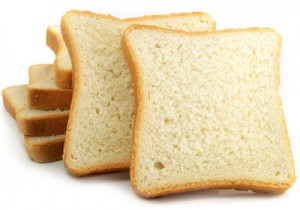
Take all the “white stuff” out of your diet. You’ve read it in popular magazines, heard it from your friends and even from the lips of the long reigning queen of day time television. Taking away all things white from your diet – bread, pasta, bakery items and sugar can be an excellent way of reducing empty calories from what you eat as well as losing weight.

There is little doubt that refined sugar and flour, for the most part, have been stripped of nutrients and fiber and are little more than a significant amount of complex carbohydrate starch. These complex starches are not only high in calories but can be quite troublesome for our bodies to metabolize.

However, the white stuff is by no means the only grain based complex carbohydrates that can be eliminated to enhance weight loss and also aid in reducing the current cause of many of the leading health conditions claiming the lives of Americans today. A serious health condition, Metabolic Syndrome, occurs in approximately 20-30% of all industrialized populations. It is a growing medical condition that can be directly linked to diets high in complex carbohydrates and lifestyle behaviors.

The symptoms of Metabolic Syndrome relate to elevated insulin levels and include high blood pressure, obesity, increased risk for type 2 diabetes, increased risk of dementia, fatty liver and potential kidney damage. In addition, many complex carbohydrates of grain derivitatives are linked with allergies, skin conditions, ear infections especially in children, fatigue, sleep problems and depression.

Given the risk for Metabolic Syndrome, taking out the white stuff should be a positive preventative way to avoid metabolic syndrome and its accompanying symptoms. But there’s more to addressing the issues of grain based complex carbohydrate consumption than just removing the “white stuff”. As humans we do not possess the enzymes required to digest cellulose, the protective fiber found on the outside of all grains, which is why we have to mill flour – to breakdown the cellulose that we cannot digest or gain nutritional benefit from.

Cellulose protected plant foods are edible only by rudiments – double bellied animals which possess the enzyme system and digestive engineering to utilize grain foods as their dietary staple. Thousands of years ago, when the continents divided and humans went from migrating, nomadic hunter -gathers to stationary agriculture based tribes, we needed to identify a dependable food supply and grains became just that.

We quickly learned however that we needed to do something to the grain to be able to ingest it. Trying to chew on wheat or even rice without altering its structure in some way was impossible and resulted in not only sore tongues and lips, but upset digestive systems. Milling of the cellulose rich wheat, rye and corn grains produced flour which could easily be chewed and ingested, unlike the raw grains.

Thus began our use of grains, which are sweet, versatile to cook and a dependable food source. Evolutionary problem solved. Or was it? Let’s look at the positive side of making the switch. Simply switching from white to whole wheat bread can lower heart disease risk by 35% according to the Harvard Nurses study of 75,000 nurses, who ate whole grains in place of white flour.

There two big differences between white bread and whole wheat bread is the processing and the amount of fiber the flour retains after processing. While there are three parts to a wheat berry which both are made from, white flour processing only uses the “endosperm”, the starchy part of the berry. Whole wheat flour uses the bran outer layer which is the cellulose we cannot digest and the germ part as well. We’ve all heard of wheat germ, which contains the plants nutrient stores.

White bread has almost zero nutrient value unless it is enriched, while whole wheat flour is much higher in fiber, does contain vitamin B6, E, magnesium, zinc, folic acid and chromium. The bad news here is that generally the baking or cooking process destroys much or all of the vitamin content. Some minerals and certainly the fiber can remain even after baking. The most important difference however is the fiber.

Harvard studies on fiber show that this indigestible portion of grains, can lead to fewer heart attacks, decreased diverticular disease, type 2 diabetes and constipation. It also provides fullness, hunger satiation, aids bowel integrity. So then why any concern about whole grains? Whole grains still require the secretion of insulin to utilize the complex carbohydrate in the whole grain products and it is the insulin that is the main culprit in metabolic syndrome.

If an individual replaces the same amount of white flour products with whole grain products they will enjoy increased nutrient benefits, however if they have already developed a high insulin secretion due to the white flour products they have consumed and probably over consumed, switching to whole grain products will not necessarily produce the positive outcomes they are hoping for.

In my more than 30 years of practicing nutrition, I have seen countless individuals with a wide span of conditions improve dramatically when all flour based products were eliminated from their diets. Many of us are not genetically or enzymatically built to ingest and handle the metabolism of grain foods.

While they may appear not to be as bothersome for some individuals, many of us gain weight, develop skin problems, sugar regulation issues, bowel problems, acne and other chronic concerns that can be either greatly improved or eliminated by simply removing all flour products from the diet.

The reasons can be twofold. First, the gluten contained in grains and secondly, the insulin secretion required for metabolizing the carbohydrate starch. When the Islets of Langerhans beta cells of our pancreas have enlarged over time to produce higher levels of insulin to accommodate the amount of complex carbohydrates we are eating, they will continue to do so if complex carbohydrates are ingested, even when a more nutrient rich alternative such as whole grains is consumed.

In my experience and practice based research, weight loss and improved overall health is the general outcome for individuals, both with and without hypertrophy of the insulin secreting cells, when all flour and sugar products are removed or dramatically reduced in their diet. There is, however, a satisfying and delicious alternative to not consuming any flour products that many are using with great success. There will be more to share on the subject in the upcoming Part II of this discussion.

(c) 2012 Georgianna Donadio

http://www.medicinenet.com/metabolic_syndrome/page2.htm
http://www.webmd.com/allergies/guide/wheat-allergy
http://www.channing.harvard.edu/nhs/
http://www.hsph.harvard.edu/nutritionsource/what-should-you-eat/fiber-full-story/index.html

Your Health and Your Relationships

Recently, I attended a grief support group for adults who have experienced a significant loss over the past year. All the attendees were at various stages of grief and loss, from a wide range of life altering experiences. What became clear from listening to the many shared stories was in the end, that the loss of their significant relationship was devastating, no matter how much success in other parts of their lives they had experienced.

Many of the attendees had excellent incomes, owned high end homes and lived what would be called abundant, successful lives. But what each of them discovered through the sudden loss of a spouse or family member, or through an unexpected divorce, is that Freud hit the nail on the head when he coined "we are never so hopelessly unhappy as when we lose love."

When it comes to our health, we often do not connect how imperative the experience of loving, being loved and belonging are to our overall well being and immune function. Leaving the support meeting, it felt important that from time to time we remind ourselves about what really matters in our lives, as our health and our relationships are intimately intertwined.

Many of the attendees also suffer from chronic headaches, fibromyalgia, asthma, irritable bowel syndrome or ulcers. All of these conditions can be traced back to the stress they experience from the loss and subsequent grief that comes from the loss of our significant relationship.

Do something good for your self today, and for those you are in relationship with. Take a moment of gratitude for the gift of family, friends, spouse, partner, peers who enrich your life and keep you healthy.

Without the gift of sharing love, our lives and our health suffer.

With all good wishes,
Georgianna
© G. Donadio 2012 All rights reserved

Tune-Up Your Relationships


Given the ever growing demands of our daily lives, it becomes very easy to overlook the “care and feeding” of our intimate, family and long-term relationships. Relationships have been shown to have a significant impact on our health, happiness and longevity, and taking care of them and keeping up on their maintenance is essential.

Taking the time to have a “tune-up” for your important relationships is worth the effort. Here are some simple but important inter-personal behaviors that will help tune-up your relationships and add to the fulfillment and satisfaction you desire from them:

Conflict Resolution – Conflict in relationships is inevitable, but the way we handle and respond to it is not. Some of us try to avoid dealing with conflict, while others want to immediately resolve things head on. Instead of trying to avoid the conflict, it can be constructive to objectively write down our thoughts and feelings and share them with the other person in a way that expresses how we feel, and in a style that makes us comfortable, such as possibly in a letter, a greeting card or by e-mail.

For those of us who tackle conflict “head on”, it can be helpful to take a step back and discern if this issue is something that must be resolved immediately, or can we give ourselves time to process what has occurred and see the conflict from the other person perspective.

Respecting the others Person’s Experience of the Conflict – Respecting your partner’s or friend’s experience of a particular conflict doesn’t mean you “go along to get along” or that you should not express your own experience or feelings about it. It does mean that you respect and consider the other individual’s unique experience of what has occurred and that they want to be seen, heard and valued just as much as you do.

By being open to accepting what the other person is feeling and what they have experienced, you send the message that you sincerely care about their feelings. And, while you may not agree with their feelings, you bring integrity to the relationship that allows them to be who they are and express how they feel in a safe and non-hostile environment.

Would You Rather Be Right or Be Loved?

An important question to ask ourselves when we are dealing with conflict in a significant relationship is would we rather be right or be loved. This is a simple litmus test that can help us to find a balance and a win-win situation for both the parties in a conflict, and also allows us to reflect on what is important in both our life and in our relationships.

Copyright, 2012 G. Donadio

Relationships as Nourishment

We don't often think of relationships as nutrient, but indeed they are. Freud made a statement about the power of love and relationships and their importance to our happiness when he said: "We are never so hopelessly unhappy as when we lose love."

Freud knew something from his experience about the human condition from his many years treating patients who experienced difficult, unfulfilling and loveless relationships. We often forget that those who love us and those we love fulfill our basic human need to be known, valued and wanted. All healthy human beings want to be valued and experience being cared for, treated respectfully and receive affection from those we care about.

As an older adult who, like Freud, has seen the ravages of loves loss, I have come to appreciate and cherish those in my life who fulfill my need to be valued and wanted – my need to be loved.

It is important for each of us to remember that no one is perfect and that if we expect perfection in love we will surely be disappointed. One of the gifts of age and experience is the relief of realizing that each act of love we give from our imperfect self to another and the love given to us by imperfect others, is the most important wealth we possess.

At the end of the day, when all else is stilled and the distractions of work, ambition, success and achievement are put aside, it is those we "go home to" and the nourishment they provide us that is our real treasure.

May we take a moment each day to appreciate how profound a blessing the gift of love is in our lives.

With all good wishes,
Georgianna
Copyright 2012 G. Donadio

Creating Successful Relationships

Recently we embarked on a "relationships blog tour". I would like to share with you several of the blogs that were posted about Relationships and about the book "Changing Relationships". Here is what "A Young Man Speaks" wrote about the subject:

by Conor MacCormack

Nothing is more critical to our health than our relationships and nothing is more critical to our relationships than how we communicate. How often have you had a difficult discussion with someone that didn't go as you intended or left a meeting with an important person in your life unsatisfied?

To change these experiences, the answer lies in having the right communication skills and tools that enable us to respond appropriately in a way that is positive for both us, and the other person. These same tools can transform how we behave in relationships and have been shown to lead to more successful and more fulfilling relationships.

A study at Brigim Young University factoring in 148 studies involving over 300,000 subjects concluded that friends and social relationships, in addition to enhancing our health also appear to enhance our longevity.

Behavior change can seem scary or complicated. If the payoff however, is big enough in terms of your own personal health and your loved ones overall well-being, wouldn't the time and energy you put into changing your behavior be worth the reward?

The subject of how to successfully change our behaviors is something that has been widely studied and researched for decades. Most of the resulting models of behavior change, however, have not been successful in creating lasting change. Until now.  A bestselling, award winning book, Changing Behavior: Immediately Transform Your Relationships with Easy to Learn, Proven Communication Skills, by medical educator and researcher, Dr. Georgianna Donadio, focuses provides easy to learn and proven skills that any of us can apply to all types of relationships to create more successful outcomes.

Dr Donadio’s book offers 12 steps to immediately changing how you relate to others and how they relate to you.  Step one begins with recognizing that 50% of the time 90% of us are not focused or paying attention to the conversations – according to a recent Harvard study. When we are with another person our full attention should be on them and not on their inner dialogue about what they are thinking or what they want to say next. Closed body language, looking at our watch, playing with our hair and so forth, send the message that we are not paying attention and that we not interested in what the other person has to say.

As we all want to be valued and know what it feels like to have someone not pay attention to us, when we shift our focus from ourselves to paying attention to the person we are with, the conversation and relationship flourish. Step Two is understanding that holding soft, non-judgmental eye contact with someone communicates that you are fully present to them and also stimulates the limbic portion of the brain to produce oxytocin, the neurotransmitter hormone connected to trust and love.

The book goes on to discuss all 20 dimension and 12 steps to creating fulfilling and successful relationships for yourself and the individuals you communicate with. For more information you can visit www.changingbehavior.org for a free download excerpt from the book.

Best Selling Book Earns 5 Star ForeWord Review

SPECIAL ANNOUNCEMENT

On Friday, May 4th, 2012 Changing Behavior: Immediately Transform Your Relationships with Easy to Learn, Proven Communication Skills, the best selling, #1Top Rated Amazon Kindle Relationships book, was awarded by ForeWord Clarion, the world's largest INDIE book reviewer, its coveted 5 STAR REVIEW. This achievement affords the author use of the digital gold seal that can be applied to and displayed on the book jacket, giving the book the recognition of excellence it deserves. Only a small number of books receive this seal of achievement.

A free excerpt from the book is available at www.changingbehavior.org. Workshops and trainings in the transformative relationship communications research, presented in the book, are also available. For more information contact Providential Publications at provpublications@yahoo.com or 978-332-3682.


Forgiveness is a Gift to Yourself


While many of us might think of forgiveness as something we do for others to reduce their suffering, there are now many studies that show when we achieve forgiveness, it has the power to transform our own health and sense of inner peace.

The daily news is filled with unimaginable events. People harm and kill others, parents violate and abuse their own children, and children murder their own parents. It is often difficult for us to forgive even benign events in our relationships (such as a perceived insult or rejection) let alone something of such immense tragedy. The idea of letting go of a grievance against someone who has perpetrated such acts seems impossible.

The simple act of “holding a grudge” against another person can create chronic stress and ongoing feelings of anger and frustration. This chronic emotional response to a perceived insult can result in our becoming sick and even developing ongoing, chronic disease states such as hypertension, asthma or digestive problems.

You will notice the reference to “perceived insults” or wounding that we might feel. This is because while people can do the unimaginable, much of what we experience in our lives is a perceived hurt of rejection that causes us not to forgive another.

Several years ago at the program where I teach, the National Institute of Whole Health, had the pleasure of Fred Luskin, PhD, founder of the Stanford University Forgiveness Project, present his work on forgiveness at the medical center where we train credentialed health professionals in whole person health care.

Dr. Luskin is the author of the book Forgive for Good, and a world renowned researcher on the subject of forgiveness. His scientific studies demonstrate the healing power and health benefits from the process of forgiving others for either actual or perceived transgressions against ourselves, or to those we love. Dr. Luskin was the lead researcher on a study in Ireland which included individuals from both sides of Northern Ireland’s civil war. These individuals had all lost a loved one due to the country's civil conflict.

In his groundbreaking book, Forgive for Good, he outlines what forgiveness is—and, what it is not:

“Forgiveness is for you and not the offender”
“Forgiveness is about your healing and not about the people who hurt you”
“Forgiveness is taking responsibility for how you feel”
“Forgiveness is a trainable skill – just like learning to throw a ball”
“Forgiveness is a choice”
 

“Forgiveness is not condoning unkindness or poor behavior”
“Forgiveness is not forgetting that something painful has happened”
“Forgiveness does not mean reconciling with the offender”
“Forgiveness does not mean giving up your feelings”

So then what does forgiveness mean? Forgiveness means being willing to find new ways to experiencing “justice” and to choose not to be victimized by other’s choices or actions. It can also mean experiencing an event from a different perspective which allows us to reclaim our life even from the depths of our suffering, loss or despair.

Forgiveness has been scientifically proven to decrease depression, increase hopefulness, decrease anger, increase self-confidence, enhance relationships, decrease stress and physical symptoms of illness, decrease heart disease and increase immune function. Forgiveness is a gift we give to ourselves that helps us live more peace-filled, healthier lives. There are many excellent books on the subject to assist with and facilitate the process of forgiving what seems to be the unforgiveable.

Copyright 2012 Georgianna Donadio All Rights Reserved


Take Two Tylenol, Call Me in the Morning

Here is a very interesting bit of research. Although I have shared this information on a national blog I write for, the information was so interesting that I wanted to share it again, here with you.

Last year there was a study conducted at the University of Kentucky, College of Arts and Sciences, that was examining the connection and possible overlap between physical pain and emotional pain. This particular study had 62 participants who were filling out the “Hurt Feeling Scale”, a self-assessment tool which measures an individual’s reaction to distressing experiences. In addition, the study was using doses of the active ingredient in Tylenol, acetaminophen, as art of its protocol.

The researchers separated the study volunteers into two groups. The first group, after filling out their self-assessment tools, were given 1,000 mg of the acetaminophen. This is a dose that is equal to one Extra Strength Tylenol. The control group however, received a placebo  instead of the acetaminophen.

The finding from this study showed that the control group without the acetaminphen, after three weeks, did not experience any change in the amount of intensity of "hurt" feeling during the three week period. However, the group that did receive the active ingredient reported a noticeable reduction of "hurt" feelings on a regular, day-today basis.

The outcomes were so interesting that the researchers started a second study cohort group of 25 different volunteers, but this time upped the amount of acetaminophen to 2,000 mg daily and added computer games that were designed to create social rejection and a feeling of isolation in the participants. Also new to the study was MRI scanning which were able to identify when the participants had feelings of social rejection occur.

Now here is the "gold" of this research – the outcomes demonstrated that the area of the brain where emotional discomfort is felt is the same location that the physical pain is experienced in. This would explain why the group that was taking the acetaminophen, while having not physical pain, reported less feelings of hurt and rejection than the group that was not taking the acetaminophen but rather a placebo substance.

Geoff MacDonald, PhD, an associate professor of psychology at the University of Toronto who is an expert in romantic relationships, co-authored this study. MacDonald states that our brain pain centers cannot tell the difference between physical pain and emotional pain.
So, while Tylenol is not recommended to be used routinely as it can lead to liver and digestive system disturbances, knowing that it can take away the pain of a broken heart, it may soon be that our therapists as well as our physicians will recommendation that we “take two Tylenol and call me in the morning” for heartache as well as for headache!

http://www.medicalnewstoday.com/releases/227298.php http://web.psych.utoronto.ca/gmacdonald/Research%20Interests.html

With all good wishes,
Georgianna

Copyright 2012, G. Donadio All Rights Reserved

Health Coaching and Your Health

Everywhere you look these days you see references to “health coaches”.
What exactly IS a health coach and what can they do for your health?
The word coach means “to bring out the best effort or aspect” .  A health coach is someone who facilitates your identifying lifestyle behaviors that bring out your very best health outcomes. 

Coaching enhances your health and wellness by facilitating your focus and awareness on what you want to do and how you want to do it. The coaching process focuses on where are you now and where do you want to go. Your intentions are viewed as the main motivating factor in the choices you make and the behaviors you exhibit.

Because this is a young specialty, it is important to be sure to work with a well-trained and experienced professional. There are many programs that now claim to train health coaches, but unless you are working with a health professional who is licensed or certified in their medical or health specialty and also trained by an accredited health coaching program you could find yourself very dissatisfied with the services you receive.

If you want to utilize a health coach to assist you with your weight loss for instance, you may want to find a nutritionist or a weight loss specialist or counselor who is also trained as a health or wellness coach. The health coach’s role is to assist you in identifying your goals – goals that are realistic and sustainable for you to achieve your desired health outcomes and maintain them.

Health coaching is an exciting addition to the many health and wellness services out there today. As with all health related care, be sure and explore the credentials and reputation of the individuals you work with. It is your time, money and health that’s depending on you working with the right person.

With all good wishes,
Georgianna
Copyright 2011 G. Donadio