

Should You Follow The Passion Diet?

As a patient educator and nutritionist, I often hear the following from frustrated patients: Just when they think they have a handle on what they are supposed to do to be healthy, the information changes. For example, up until a recent study was published, those of us over 50 were assured that if we moderately cut back our portions; decreased our calories; and exercised for thirty minutes, four to five times a week, we could keep at bay the extra body fat that creeps in after menopause.

Countless women dutifully reduced their calories and did their 30-minute routines daily, only to feel that there was “something wrong with them.” Although the “experts” said it was the right way to control weight after 50, the formula didn’t work for their bodies and they didn’t maintain their desired weight level. Recent research published in the “Journal of the American Medical Association” has now thrown out the half-hour-a-day exercise formula.

Here’s the rub: No longer is a half hour of exercise deemed adequate to increase the metabolic furnace that is slowed by the loss of estrogen. We now have to exercise a minimum of one hour per day and really watch every calorie we put in our mouths, especially carbohydrates, which we may want more than ever at this age for the serotonin surge they provide.

This new information comes from a Harvard study on physical activity and weight gain in women over 50. This throws out the previous recommendations. As is stated in the Harvard study and experienced by many of us who are post-menopausal, women over 50 generally do not lose the weight they want with just a half hour a day of exercise. This is one more example of information frustration in an information-saturated culture.

Estrogen, as every female is aware, is that amazing hormone that is a metabolic calorie burner as well as a reproductive hormone. It keeps our skin and heart healthy while producing “pheromones” for attraction. What is an important, non-researched but logical factor regarding losing weight and keeping it off after 50 is what our individual bodies tell us is right for our unique metabolism and body type. We need to ask ourselves: what do we know about our own weight loss and weight gain pattern that could be more important than the “weight loss expert’s” advice?

Now that we are past the age of procreation and our body is no longer protecting us against many of the maladies that can accompany the loss of reproductive hormones, what do we know about our own metabolic profile and how food and exercise affects our body weight — and what do we also know about what it is in our lives that makes us feel like our optimal, best self?

Here are some more important questions to ask ourselves:

  1. What do I know about how I gain weight?
  2. What do I know about how I lose weight?
  3. Do I eat when I’m stressed?
  4. Do I lose weight when I’m stressed?
  5. Does eating play a dominant role in my daily routine?
  6. What am I willing to give up to get the body weight I want?
  7. Do I feel my food choices need to improve?
  8. What is my personal experience with exercise?
  9. What kind of exercise do I enjoy?
  10. Am I willing to make the time to take care of myself?
  11. What are my health priorities?
  12. What are my ego priorities?
  13. What keeps me from being the weight I want to be?
  14. What helps me feel my best and makes me happy or passionate about life?

The issue of weight loss, from a general observation of ourselves, our peers and our friends, appears to be connected to a number of factors in our lives above and beyond how much exercise we do daily. Rarely do we see an energetic, productive, organized individual (man or woman) who struggles with weight issues, even after 50, because they are often focused on their external interests and passions. Often these folks spend less time eating and getting pleasure from food and more time enjoying their hobbies or activities and getting pleasure out of the active, fulfilling lives they live.

One of the weight loss “secrets” I have learned over the years in my practice as a clinical nutritionist is that when individuals are excited, creative, interested and passionate about their work, their relationships, learning, doing or being, the issue of a naturally right body weight resolves itself.

We are often overly focused on the sensory experience and enjoyment of food as a mainstay for satisfaction and pleasure. Just as often, when something else catches our attention and we focus our creative and passionate energies into things we love, the issue of fulfillment comes from creativity or service to others, rather than our food intake.


For more whole health discussions like this, listen to my weekly radio show Living Above The Drama available on iHeartRadio.

 

Are Females More Prone To Depression?

It comes as no surprise to most women that there is a relationship between their hormone fluctuation and the potential for experiencing depression. Nonetheless, studies of this connection have not been pursued until fairly recently.

A short time ago, the prestigious National Institutes of Health (NIH) looked at this subject and explored the potential relationship between hormonal dysfunction and depression in women. The published report specifically reviewed how the female reproductive system interacts with the Hypothalamus-Pituitary-Adrenal (HPA) axis. This is a major regulatory mechanism of the body's stress response.

With important data showing that women are twice as likely as men to experience depression, it becomes powerful to recognize that it is this mechanism which sets up a biochemical environment for depression. Stress in women impacts the reproductive hormones which can upset patterns of ovulation, hormone secretion and implantation. Mediated through the HP-axis, this upset can contribute to the loss of menses and to infertility.

If the stress becomes chronic and exerts an ongoing imbalance on the female reproductive hormones, then it makes sense that behavior, mood disorders and depression can significantly increase. When the powerful reproductive, love hormone oxytocin is suppressed due to excessive stress hormones, fertilized eggs cannot implant into the uterus. This significant result of chronic stress is believed to be a primary cause of infertility in American women.

A key to preventing or correcting the problem is to create a more balanced, less stressful lifestyle. When our body's stress adaptation system becomes overwhelmed, many disorders and conditions can develop, depression being just one of them.

The NIH investigators reported that regarding postpartum depression, ongoing hyper-secretion of the stress hormone cortisol during pregnancy creates a temporary drop in adrenal function following delivery. This hormonal change coupled with the plummeting levels of estrogen after giving birth may be an important factor in post-partum depression and possibly in immune dysfunctions, such as postpartum thyroid conditions.


For more whole health discussions like this, listen to my weekly radio show Living Above The Drama available on iHeartRadio.
 

Are You Consuming Too Much Sodium?

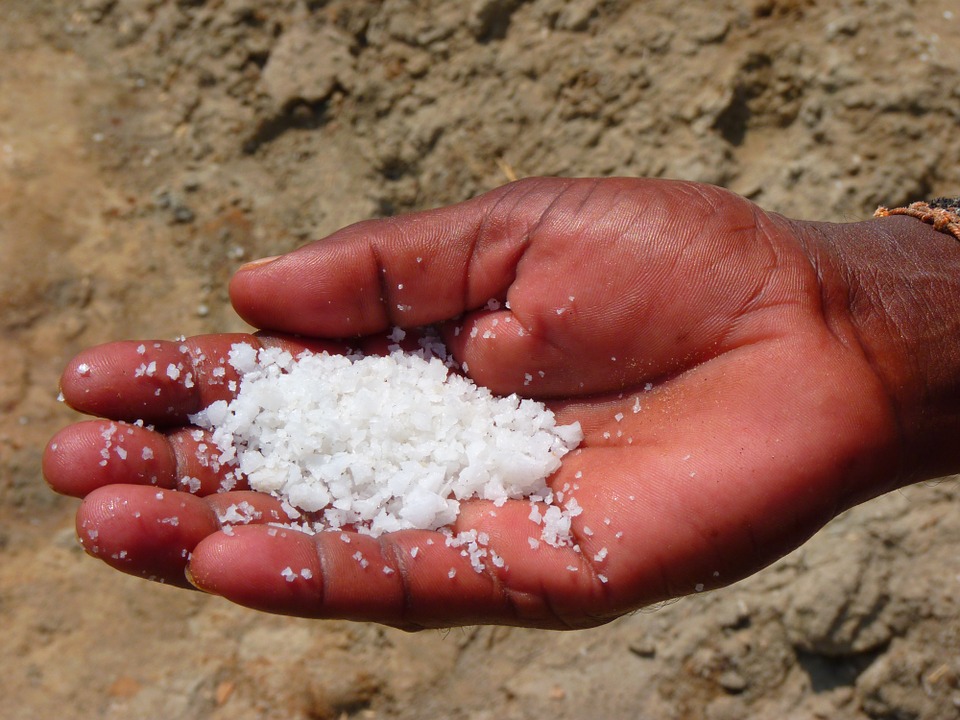
Sodium is a naturally occurring, essential mineral that helps regulate body fluids and kidney function. Of concern to many is the fact that high doses can cause hypertension, kidney damage, and decrease of calcium absorption. It can cause bloating, fatigue and increase your risk for strokes and heart disease.

The Right Nutritional Value

The recommended daily intake of sodium is 2,300 mg per day. A low sodium diet is considered between 400 – 1000 mg a day. A normal sodium diet is considered between 1500 – 2,300 per day, and a high sodium diet between 2,500 and 4,000 mg per day. The average American diet contains over 3,500 mg per day, according to the U.S. Center for Disease Control. Experts agree that damage of high sodium accumulates and can have a long term, life threatening effect.

Even those of us who think we are eating well and are careful about our food choices, may not realize how much sodium is lurking in our foods. Processed, canned, jarred and frozen foods have high levels of sodium, as do most restaurant prepared meals and certainly "fast foods" where sodium and flavor enhancers are added for taste and texture.

Few of us realize that foods we eat every day are loaded with sodium. In considering the examples below, it becomes clear that, once again, the best foods to eat are fresh and unprocessed, which not only contains more nutrients, but contains much less sodium.

High Sodium Foods To Avoid

> One cup of cocoa has 950 mg of sodium.

> A chicken fillet sandwich has 940 mg of sodium.

> Tomato ketchup has 1042 mg.

> Parmesan cheese contains 1862 mg.

> Processed cheese has 1189 mg.

The list goes on. The more processed the food, the more likely it is to contain high sodium levels. On the other hand, Fresh fish, fruits, nuts, eggs, beans, meats and vegetables have low levels of sodium.

Lower Sodium Whole Foods To Enjoy 

Fish (fresh)

> Anchovy – 87 mg (3 oz portion)

> Bass – 58 mg.

> Catfish – 51 mg.

> Clams – 31 mg.

> Cod – 59 mg.

> Flounder – 66 mg.

> Lobster – 179 mg.

> Oysters – 62 mg.

> Salmon (Atlantic) – 63 mg.

> Scallops – 217 mg.

> Shrimp – 119 mg.

> Sole – 66 mg.

> Trout (rainbow) – 69 mg.

> Tuna (albacore) – 34 mg.


Fruits (fresh)

> Apple 1 medium – 0 mg.

> Apricots, 1 medium – negligible

> Asian pear – 0 mg.

> Avocados, 1/2 medium – 10 mg.

> Bananas, 1 medium – 1 mg.

> Blackberries – 0 mg.

> Blueberries, 1/2 cup – 4 mg.

> Cantaloupe, 1/8 of melon – 5 mg.

> Cherries, sweet – 0 mg.

> Cranberries, 1 cup – 1 mg.

> Grapefruit – 9 mg.

> Grapes, 1 cup – 2 mg.

> Oranges – 0 mg.

> Peaches – 0 mg.

> Pears – 0 mg.

> Pineapples, chopped, 1 cup – 2 mg.

> Plums – 0 mg.

> Raspberries – 0 mg.

> Strawberries, 1/2 cup – 1 mg.

> Tomatoes – 4 mg.

> Watermelon, cubed, 1 cup – 3 mg.

> Egg, whole, medium, 1 – 55 mg.
 

Meats and Poultry (3 oz raw, unprocessed)

> Beef

> Liver – 62 mg.

> Porterhouse – 47 mg.

> Sirloin – 44 mg.

> Chicken breast – 58 mg.

> Duck (meat only) – 64 mg.

> Turkey breast – 51 mg.
 

Nuts, unsalted (1/4 cup)

> Almonds, raw – 4 mg.

> Brazil nuts, raw – 1 mg.

> Cashews, dry roasted – 6

> Hazelnuts, raw – 1 mg.

> Macadamia, dry roasted – 2 mg.

> Peanuts, dry roasted – 6 mg.

> Pecans, raw – negligible mg.

> Pistachio, dry roasted – 2 mg.

> Walnuts, raw – negligible mg.
 

Beans (1/2 cup cooked)

> Lentils – 13 mg.

> Kidney Beans – 2 mg.

> Lima beans – 3 mg.

> Navy beans – 1 mg.

> Split peas – 12 mg.
 

Vegetables, fresh (1/2 cup raw)

> Acorn squash – 2 mg.

> Alfalfa sprouts – 1 mg.

> Artichoke – 1 medium, steamed – 79 mg.

> Asparagus – 1 mg.

> Beans, green – 3 mg.

> Beets – 49 mg.

> Bell peppers – 2 mg.

> Broccoli – 12 mg.

> Brussels sprouts – 11 mg.

> Butternut squash – 3 mg.

> Cabbage – 14 mg.

> Carrots – 20 mg.

> Cauliflower – 8 mg.

> Corn – 12 mg.

> Cucumbers – 1 mg.

> Eggplant – 2 mg.

> Lettuce – 2 mg.

> Mushrooms – 1 mg.

> Onions – 2 mg.

> Potatoes, medium, baked – 16 mg.

> Pumpkins – 1 mg.

> Spaghetti squash – 9 mg.

> Spinach – 22 mg.

> Sweet potatoes – 9 mg.

> Tomatoes – 4 mg.

> Watercress – 7 mg.

> Yams – 7 mg.

> Zucchini – 1 mg.


For more whole health discussions like this, listen to my weekly radio show Living Above The Drama available on iHeartRadio.

The Secret To Reducing Stress: Balancing Life

The Secret To Reducing Stress: A Balanced Life

A statement by the well-known mind/body physician, Herb Benson, M.D. says that 60-90% of all visits to the doctor’s office are due to stress. We all hear about stress, experience stress, but what exactly is stress? Most of us think of stress as the emotional conflicts we experience in our daily lives, but our emotions are just one category or one type of “event” that can cause us to experience stress.

In order for us to survive in our ever-changing environments, our bodies are designed to adapt and it does so through a series of biochemical reactions. These chemical reactions are natural and necessary, but they are the wear and tear of living that we call stress.

Here’s an example I like to share in relations to because it gives a clear vision of this principle. When I was living in New York City, I drove my little stick shift through the stop and go traffic. Imagine the wear and tear (stress) on the clutch.

There are many events that might cause similar stress to our bodies. Some may surprise you.

  • Weather
  • Excess Exertion (such as too much exercise or lack of sleep)
  • Trauma or Injuries
  • Allergies and Immune Insults
  • Infections
  • Reproduction Related Events (monthly cycle, pregnancy, childbirth, nursing, etc.)

While the common nature of these events does not sound encouraging, there is some good news. If we have a stress response that is short term, like when the phone rings and the nurse tells you that your child had been vomiting, our bodies do just fine.

It is the prolonged stress, like anticipating for two whole weeks a root canal or that pesky “annual office evaluation.” That does us in! This extended stress affects our digestive system, immune system, cardiovascular and even reproductive systems. Couple this with poor eating habits or insufficient sleep, and we are not happy campers.

While excessive or chronic stress is definitely not good for our health, we need stress adaptation for survival, so it is actually a very good thing. How this adaptation takes place is by way of specialized hormones from our adrenal glands, located in our kidneys. They change our heart rate, blood pressure, lung capacity, and a host of other functions, for our survival. However, these hormones, if secreted too much or too often can suppress our immune, digestive and reproductive systems and even damage our cardiovascular system. Chronic stress is one very large reason why some of us have fertility problems.

So how can we make friends with stress? The answer is good old moderation. Remember being told “all things in moderation leads to a healthy body.” It is true. We do not have to learn to do anything exotic to reduce stress, we just need to balance our lives and avoid excess.

Nevertheless, there is the rub, given modern life. We are all excessing more and more and moderating less. For a great book on this subject, check out Why Zebras Don’t Have Ulcers by Dr. Robert Sapolsky. It is a very witty and informative book. Laugher, as we know, is “our best medicine.” It is also a great stress reducer.


For more whole health discussions like this, listen to my weekly radio show Living Above The Drama available on iHeartRadio.


Establish These Three Behaviors To Improve Your Life

The most important relationship we have is with ourselves. The way we think, eat, behave and use our resources define the quality of life we live. We all want to thrive and enjoy a healthy fulfilling life. Yet, in our over scheduled, frenzied personal environments and ever encroaching culture, the simple, basic, no-cost behaviors that will better our lives and foster an excellent relationship with ourselves are often overlooked.

Here is a list of 3 simple behaviors any of us can do immediately to improve and restore our well-being and enhance our health.

1. Buy with Cash

Over the last 5 years, most of us have had a reality check regarding the corrosive nature of debt. It can cause stress, anxiety and sleepless nights, robbing us of our well-being and causing us to lose control over our relationship with money. One of the fastest and easiest ways of “turning the ship around” when it comes to debt is to commit to using only cash for purchases and cutting up the credit cards.

While we can have an emergency card or line of credit squirreled away for a real emergency, by reining in our spending habits and eliminating debt, we can do more for our sense of well-being and health than following the latest health trends and starting an exercise program. Yes, it’s true – reducing and eliminating the crushing stress of debt accumulation is the number one act of self-care we all need to commit to. Studies show that chronic stress and worry will make us sicker and even cause life threatening events such as stroke and heart attack more so than any other lifestyle behavior.

Also, by paying in cash you are more aware of what you are actually spending and have the opportunity to ask yourself: “Do I really need to make this purchase?”

2. Clean out Your Closets

In our consumer-driven environment, we are invited daily to buy, buy, buy and can find ourselves living with closets, attics and basements overflowing with “stuff.” Much of this stuff we do not even use and may not even remember we have.



One of the most satisfying experiences is to clean out closets, drawers, basements, attics, garages, storage areas, and so forth. Thin out all the excess material possessions we have and do not need or use. Giving things away to the local “swap shop” or donating these unnecessary belongings to Goodwill or the Salvation Army will not only free up room and space in our homes, but will also provide a greater sense of control over your living space as well as provide a sense of orderliness and cleanliness – all good things for our health and happiness.

3. Post Your Life Goals and Affirmations

We all have goals and dreams we want to realize. One of the fastest, proven ways to achieve those goals and manifest our dreams is to write them down and post them throughout our whole working and living environments. Take the most urgent and important goal you have at this time and focus on it daily, using post-its or other reminders of what you want to manifest.

This no cost, proven method for creating the things we want in our lives can become an excellent life-long behavior. When one goal is realized or achieved, we can identify the next important goal and work on that specifically, using our desire and unconscious mind to manifest our dreams. After all, thoughts really are “things.” By repeatedly thinking on something, we can create it into reality.

Everything was a thought before it became a reality – the chair you are sitting on was a thought in someone’s mind before it was created. We can and do create our lives with our thoughts – so post away and realize your goals.

For more information about this topic, you can access a free excerpt from the bestselling book Changing Behavior: Immediately Transform Your Relationships with Easy to Learn Proven Communication Skills by visiting www.ChangingBehavior.org

FREE Whole Health Consultations available.
888-354-4325 Take charge of your health

Social Behavior And An Unhealthy Work Environment

social media at work

When most of us think of an unhealthy work environment we think "sick building syndrome," difficult co-workers or the classic "boss from hell."

After attending a conference that was populated by a number of staffing agency directors, I received insight into the latest unhealthy work issue that is gaining the attention of a lot of organizations. OFBTM – Obsessive Facebook and Text Messaging while on the clock. It is becoming such a concern to some employees that more and more companies are having their computer networks re-tooled to block Facebook from being accessible from the office computers.

Unbecoming Habits

How much of a problem is it that a significant number of those raised on electronic communication and networking cannot stop checking their Facebook and Text Messaging while they are being paid to do the job tasks required of them? That employers are noticing and concerned about this trend affecting their productivity and even their bottom line, says something important about immediate communication impulse and what is being called "the narcissistic tendency" we are developing as a culture.

The focus and integrity to attend to the job we are expected to perform as well as the ability or willingness not to pay attention to ourselves when we are getting paid to be working, seems to be lacking today more than ever before. Cell phones, e-mails, text messages, social networking, Facebook and other electronic forms of communication have begun to hold our attention prisoner, even when we are on the job. Not only is this unfair to the individual or organization paying our salary, but it also sends up a red flag about how we are growing more and more self-absorbed as a culture.

Social Media And Health 

Can someone be healthy when they are overly concerned about the moment to moment activities of their lives? There are (most commonly in humor columns) reported Facebook posts by individuals who literally record every minor thought and event of their day, posting them publically for all their friends and fans to read. Is it true that we are becoming a narcissistic society unable to pull ourselves away from the details of our lives? Is the problem so invasive that we no longer put in "an honest day's work"?

Health is made up of many things. Being productive, making a contribution, working hard and enjoying what you do are all pieces of a healthy lifestyle. If social networking and electronic communication is pulling you further away from a balanced and healthy work life, it may be time to unplug and unlink.

Present, Productive, and Fulfilled

Finding fulfillment and feeling commitment about what we do in our work, as well as how we do the work, is an important part of being a productive, contributory, healthy, happy individual. 

Excessive electronic communication can not only be self-centering but can also distract us from other essential aspects that are part of a balances life. It’s something to consider.

FREE Whole Health Consultations available.
888-354-4325 Take charge of your health!


Mighty Muscles and Bones: How Our Muscular And Skeletal Systems Help Us Move

Our Mighty Muscles and Bones: How Our Skeletal And Muscular Systems Help Us Move

In the past we have explored the nervous system, brain function, cranial nerves, digestive function, adrenal function, and the immune system. Now let's take a look at the most glamorized, yet under-appreciated, part of our body—our mighty muscles and bones. So, how do the muscular and skeletal systems help us move?

Muscular Attraction

The muscles get a lot of attention with regard to how they can make us look attractive and sexy to others. Our muscle tone communicates how healthy our body is. The strength of the muscles, the lack of water retention or fat in the muscles, and how flexible we are, all indicate that we may be a good reproductive partner and produce strong, healthy offspring. This is one of the functions we all can relate to, but it is certainly not the most important function of our muscles.

Try to imagine what your life would be like if your muscle tissue could not form the shape of your body. What if it didn't allow you to physically move around your environment? Without locomotion, thru muscle strength and movement, we would be a lump of humanity, never moving from the spot we found ourselves in.

Mighty Bones

Our bones are so amazing too. Apart from their distinctive and critical role as part of the immune system carrying precious bone marrow, they are the armature upon which our muscles are draped. Bones allow cooperation between the muscles, to physically move, play, exercise, work, eat, sleep and achieve all of the mobility we experience throughout our day.

When we look at people stooped over with distorted posture and their musculature not functioning properly, we immediately associate this with either being ill or not vital. Our posture is the number one thing people notice, followed by how we are dressed. Our body language is expressed thru our bone/muscle function. In essence, our personality and how we view the world are all communicated in how we move through the space we inhabit.

Working Together

Our muscles and bones not only share the work load in glucose and immune regulation, body heat production, fat metabolism, mineral storage, and the ability for “fight or flight”—self-preservation. They also communicate to the world what we think about ourselves, others, and the world through the expression of body movement and non-verbal communication. This can be one of the most attractive or frightening aspects about us – depending on how we express our movement and actions.

Keeping your muscles and bones strong thru exercise and a healthy diet is a wise move. Without them, we are literally “going nowhere.”


FREE Whole Health Consultations available.
888-354-4325 Take charge of your health!


A Different Approach To Spring Allergies

One of the most important aspects of addressing any health issue is to understand the cause and effect of how and why you are experiencing your symptoms and what they represent. Seasonal allergies are, for many, the down side to the beauty of spring and summer. Itchy, runny eyes and nose, sneezing, coughing, and even wheezing can dictate an individual’s activity choices, where they can go, and even what they can eat.

None of this is desirable, and much of it has been shown to be preventable. To understand how you can take control of your seasonal allergies, let’s explore where they come from. Foreign proteins are found in many airborne substances, such as pollen, dust mites, and ragweed. When mucous membranes that come in contact with these foreign proteins are not immunologically competent enough to break down the proteins, the membraneS secrete mucous, fluids, and histamine. This causes the itching, swelling, irritation, and watery excretions that make seasonal allergies so challenging.

To improve allergy symptoms, steroid or steroid-like medications are often prescribed. These are anti-inflammatory chemicals that reduce the allergic immune reaction to the foreign proteins.

By building up our immune and adrenal system, we can enable our bodies to be better able to handle these allergens, which cause the allergy reactions. Our adrenals are located either on top of or within the kidneys and produce cortico-steroids and other natural anti-inflammatory as part of our “national guard” system. Hans Selye, MD, PhD, who spent over 50 years researching the adrenals and immune system, discovered the important nutrition and lifestyle components to keeping this important body system working well: 

  • A diet rich in B, C, E, and A vitamins (or supplementation)
  • Unsaturated fatty acids, such as fish oils
  • Adequate protein intake
  • Minerals to aid the production of natural allergy fighting anti-inflammatories 
  • Adequate sleep and rest
  • Elimination of infections
  • Reduction of emotional stress
  • Moderate exercise
  • Avoidance of over exertion
  • Avoidance of traumas as well as dental and medical surgery
  • Elimination of extreme temperatures indoors and out

Seyle’s research demonstrated that by taking good care of our adrenal and immune system, allergies may be greatly reduced and, in some cases, eliminated. Applying some of these principles may allow you to enjoy this spring more while experiencing fewer symptoms.

10 Tips For Sustainable Love

It is not a coincidence that happy couples share many of the same behavioral patterns. Often, we think that being happy means we have fun sharing the same hobbies or doing everything as a couple. While sharing activities enhances relationships, the most important components to successful relationships are found in how individuals within a relationship treat each other. In large part, it relies on communication and behavior.

Some of the most important aspects of having a successful relationship with your significant other include:

Friendship: Being friends and genuinely liking your partner is one of the most important components of a happy and successful relationship. If you don’t like the other person, how can you truly love them?

Enjoying your partner’s company: Laughter is not only good medicine, but it is also the glue that binds relationships and creates memories. Laughing together and even crying together are meaningful in good relationships.

Being spontaneous: All of us have preferences, likes and dislikes. When you’re spontaneous about trying new food, travel plans, places to visit and other novel experiences, you expand your personal horizons and show respect for your partner’s preferences as well. Life is more interesting if we can be spontaneous together.

Having your own life: Developing a healthy relationship is about two independent and emotionally mature individuals joining company to share their lives together. Sometimes our needs can become interjected into our relationship in a way that creates a co-dependent dynamic. This can derail happiness in an intimate relationship.

Being fully, purely present to your partner: It has been said that there is no greater gift than our full, complete presence to another. Being authentically interested and attentive to the other person is a hallmark of a healthy, happy relationship.

Showing and expressing affection: Physical touch is an important part of happiness and fulfillment in relationships. Couples can often express that just by holding hands or sharing affection with their partner. This is a very important part of feeling loved and cared for.

Being caring and kind: Kindness is one of the most attractive things about another person. When we are kind, not only do we feel good about our behavior, but our significant other feels good about our behavior as well.

Being honest: If we give our partners a sense that we are devoted and loyal to them and they provide that for us, we create the foundation of a truly lasting and loving relationship. Marriages or relationships often break up because of trust issues. Trust is the foundation of all good interactions.

Being committed: When we are committed to someone, it means that we are there for them and can be counted on to support them in times of need. This is what we all want from our relationships. In order to depend on this benefit, we need to provide it as well.

Communicating: By actively communicating with your partner on an ongoing basis, you can avoid many of the problems that arise in relationships before they even get started. Being proactive and checking in with each other on a regular basis to see how things are for the other person goes a long way in preventing difficulties with conflicts and unmet needs.

Sustaining A Relationship

Creating and sustaining a loving, trusting and lasting relationship is one of the most fulfilling experiences a person can long for and look forward to. While this is not a complicated process, it does require awareness and cultivation similar to what you need in raising a child or growing a garden.

If you keep disruptive weeds from infiltrating the flower beds of your relationships, you can enjoy the uninterrupted beauty of longed-for interactions and reduce the work, wear and tear that neglect can produce. Relationships take time, caring and commitment, but they are truly worth it.

For a free download on communication skills for enhanced relationships, visit http://www.changingbehavior.org/

FREE Whole Health Consultations available.
888-354-4325 Take charge of your health!


5 Ways To Protect Your Health And Save The Environment

We can all make small behavioral changes that can lead to a big difference to our personal health and the health of our planet. There are many easy and convenient ways to "go green." Several of these suggestions can even save us money and time. Here is a brief list of ways you can immediately start to protect your health and help keep the planet healthier at the same time:

> Taking shorter showers will not only help to keep your skin better hydrated by not having all the natural oils removed from your skin, but each individual who limits their shower to five (5) minutes can save almost 4,000 gallons of water per year.

> Avoid the dry cleaner and you avoid exposing your skin to perchloroethylene. Also known as perc, this toxic solvent is used to dry clean clothing. Headaches, nausea, dizziness, fatigue, and skin irritation have all been linked to this solvent. It may also deplete the ozone layer in addition to contributing toxic and carcinogenic by-products as it breaks down.

> Stop using air freshners to avoid phthalates, chemicals linked to hormone abnormalities, birth defects, and reproductive problems. In addition, they may also contain other harmful, cancer-causing volatile organic compounds that are not good for you or the earth. You can use mixtures like orange peel or sage in pretty containers or small bowls to freshen the rooms of your home or office.

> Buy organic coffee that is grown without pesticides that can harm the soil and seep into the water supply. This makes a better "brew" for you as it does not contain synthetic chemicals, and it decreases damage to the earth.

> Avoid using flea collars on your pets as the chemicals in the flea collars contain toxic chemicals that can contaminate water supplies. The pesticides used in the flea collars work by harming the nervous system of the insect. The same pesticides can harm your pet and yourself as they are absorbed through the skin.

These are a few simple and convenient ways you can immediately start to make yourself and the planet healthier!

FREE Whole Health Consultations available.
888-354-4325 Take charge of your health!