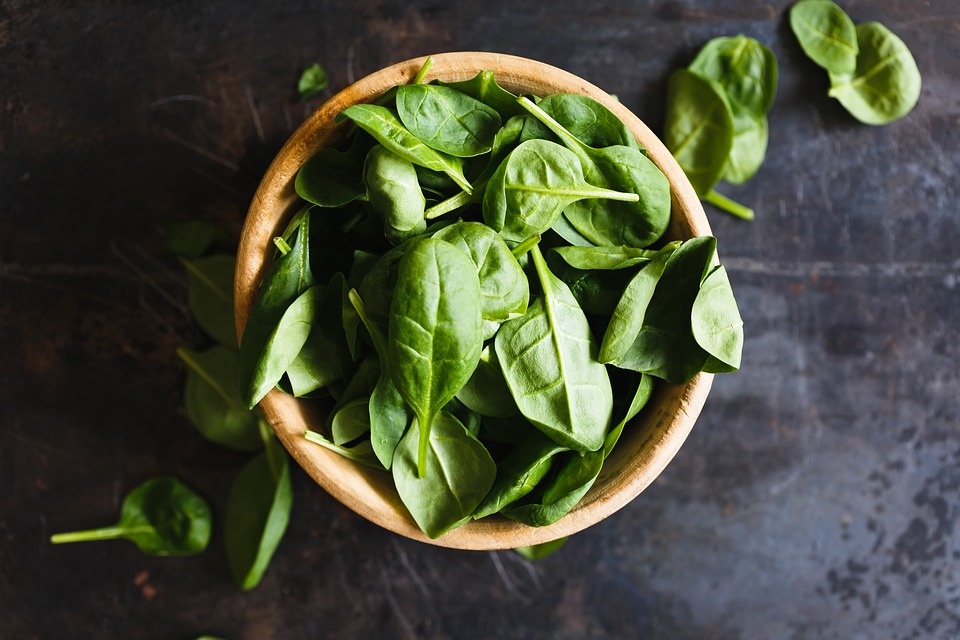
A study conducted by Consumer Reports found that when testing a group of protein drinks, 15 tested positive for heavy metals like cadmium, lead, arsenic, and mercury. Additionally, three of these 15 broke federal safety guidelines with alarming high levels of contaminants. While we can’t deny the convenience of a protein powdered milkshake, consumers should question what other additives are included to produce this supplement. Protein is very important to a healthy diet and exercise, but in order to achieve wellness patients should turn to nutritious, natural sources of protein. Quality, non-processed sources of protein are essential to bodily whole health and wellness.
Quality Over Convenience
For many, taking the time to make nutritious choices in our daily busy lives can be quite stressful. With a nonstop, work-filled lifestyle it can be hard to find the time to make meals so instead we turn to the convenience of processed protein bars or a whey smoothie. While one scoop of whey protein powder can contain upwards of 27 grams of protein, you should also caution what nutrients you are abstaining from by choosing the processed, un-natural product.
By instead choosing a natural protein source like a handful of almonds or 250 grams of Greek yogurt (that have the same protein content as the powder) you are receiving valuable antioxidants and nutrients in addition to the protein source. “Although the powder has a higher concentration of protein it has a lack of other nutrients that naturally accompany proteins found in meat, fish, dairy products or whole grains. Protein food offer vitamins, minerals, carbohydrates and healthy fats unavailable in protein powder,” says Freelitics. Choosing real food over processed protein sources is valuing your whole person care over convenience.
Opt for Variety
Doctors encourage some patient education before hitting the grocery store on what sources of protein to include in a daily diet plan, says the American Heart Association. The key for a healthy heart and body is not only choosing a quality source, but also eating protein in moderation. Not all individuals need the same amount of protein daily; in fact, the USDA recommends .8 grams of protein per kg of body weight. For example, a healthy 155 pound adult will need about 56 grams of protein daily. Nutritionists recommend eating a variety of protein sources – not just red meats – for a balanced diet.
Powerful and Natural Proteins
One of the best meals to get your daily protein serving is through breakfast. With wholesome, non-processed sources like eggs, Greek yogurts, and milk, you have several options to naturally fuel your body with protein for the day. Healthy high-protein snacks include nuts like peanuts and almonds which have roughly six grams of protein per ounce in addition to valuable antioxidants and vitamins like manganese. For dinner, fish like tuna and salmon offer a powerful punch of protein and heart healthy omega-3’s. Paired with broccoli or Brussels sprouts, you receive both a serving of fiber and protein.
Consuming quality protein might be a little more time consuming than opting for the convenient protein bar, but you are fortifying your body with healthy nutrients. Fuel your body the natural way, ditch the protein bars, and instead pick wholesome protein sources.
Join the conversation. If you enjoyed this article, be sure to follow For more whole health discussions, listen to my weekly radio show Living Above The Drama. Also available on iHeartRadio.
Hunger is a natural response by the body when it has used up the caloric intake from our last meal and we need to replenish. When we are in a constant state of hunger, or hungry very shortly after our last meal, this can signal a health problem such as hormonal imbalance or other either genetic or chronic health conditions. The hormones from the thyroid, pancreas, reproductive glands, and pituitary or adrenals glands are all possible contributors to constant hunger.
There are also other factors that can play a large role as well. A diet that is very low in fat can create a constant hunger. Our bodies require a certain amount of fat each day to regulate our metabolism and these healthy fats (such as avocado, nuts or olive oil). These fats trigger a hormone called leptin that curbs or stops the appetite.
When any one of many things that can create imbalances or that can override the body’s normal metabolic function occurs, we can short circuit the body’s ability to sustain normal appetite and food consumption. Most commonly these are hormone or neurotransmitter imbalances that create hunger due to the interruption of the normal hunger/hormone chemical.
Stress can play a large role in this condition, as well as excessive or chronic long term carbohydrate intake. Excess carbohydrates can result in both a decrease and an increase in insulin secretion which can then trigger several metabolic problems and syndromes.
If you are experiencing, chronic persistent hunger it is important to consult with your physician. There are many situations that can also contribute to your hunger such as hyperthyroidism, menstrual irregularities, Von Gierke disease, bulimia, Prader-Willi syndrome, diabetes, medications or hypoglycemia.
For more whole health discussions, listen to my weekly radio show Living Above The Drama. Also available on iHeartRadio.
Nearly 20% of people wearing braces in the U.S. are adults, yet it seems that many more can benefit from orthodontics. The National Health and Nutrition Examination Survey (NHANES) showed that a large majority of people have malocclusion or misalignment, with only 35% of adults having well aligned mandibular incisors (the four incisors located on the jaw). Interestingly, this is a modern problem, since our hunter-gatherer ancestors had almost no malocclusion and dental crowding. The advent of farming and the greater availability of ‘soft’ foods like grains and legumes lessened the size of jaws without a corresponding change in tooth size. The result is that there is not enough space in the jaws and the result is misaligned or crowded teeth. This is one of the earliest examples of the interconnectedness of different body systems. Not to mention the close connection between oral and cardiovascular health (Sanchez, 2017). It shows the important link between our diet and our oral health, and is also indicative of why so many of us need orthodontics.
Malocclusion and the Risk of Falls
A 2016 study by scientists at the University of Barcelona showed that having an imperfect bite (e.g. gaps between teeth, crowding of teeth, missing teeth) can affect our postural control. These postural problems can potentially increase the risk of falls in people with certain diseases, or even affect athletes’ performance, potentially increasing instability as tiredness increases. The researchers concluded that orthodontics should be considered both by members of the general population and by athletes as a way to help prevent falls and instability.
Orthodontics and Sleep
We know that quality sleep is vital for our physical and mental health, with chronic sleep deprivation linked to obesity, heart disease, and Type 2 diabetes. A 2012 University of Eastern Finland study on children aged six to eight found that the risk of sleep-disordered breathing is increased by crossbite (a type of oral misalignment which occurs when the upper and lower sets of teeth don’t meet correctly), among other factors. The researchers stressed that children with disordered breathing should have their dental bite examined, since employing orthodontics to reduce sleep issues may be required.
Braces for Better Mental Health
A 2018 study published in the Open Access Macedonian Journal of Medical Sciences found that there is an important relationship between orthodontics, mental health, and body image. Researchers noted that participants who had worn braces or other orthodontic devices were overwhelmingly satisfied with the results. They concluded that orthodontic treatment could significantly improve one’s overall mental health and change one’s attitude towards one’s physical image.
Many of the biggest health problems on a global scale – including sleep deprivation, obesity, and falls, can be aided through orthodontics. We have mentioned just a few instances of the way in which orthodontics can enhance health, but its effects are significantly more numerous. Teeth that are correctly aligned, for instance, can help us enjoy our food more, and enjoy a wider variety of foods – including harder, fiber-rich fruits and vegetables – which are so useful for our heart and overall health. If you are an an adult who is bothered by missing teeth, malocclusion, gaps or other problems, see your dentist and discuss the suitability of orthodontics.
For more whole health discussions, listen to my weekly radio show Living Above The Drama. Also available on iHeartRadio.
There is no doubt that today more and more people are turning to integrative medicine and alternative modalities for their health concerns and disease prevention. This popular movement, winning one out of every two Americans as converts, may seem to some like a new idea or a “health revolution.” In reality, it is a return to period in time, over 400 years ago, when health was seen from a more whole person, integrated and even spiritual perspective.
Until the early 1600’s, the realm of human health was believed to represent a person’s spiritual state. If one was healthy that meant they bore not demons. If one was sick, that meant they needed to purge sickness, which was seen as “possession” or a spiritual incorrectness that had to be remedied. The prevailing church of the day, ruled by the Vatican, exerted a huge influence over the medical community and how people viewed the cause and cure of their disease.
In 1612, physician Anton Descartes, a powerful, influential physician and scientist, declared, “I think therefore I am” , stating that the mind and body were two separate, unrelated parts of a human being, and as such the study and treatment of the human being needed to be separated into the mind or spirit portion and the physical bodily portion.
Descartes lead the political movement to separate the body from the soul, a separation in which he and his peers literally brokered a deal with the Vatican, which was reluctant to give up control over its flock. However, the “scientific revolution” was gripping the culture and the church knew it was prudent to agree. Thus, the division of mind and body began and the practice of medicine started down the slippery slope to where we find ourselves today.
Since this division set up a medical system that treated only physical health, it became considered, by the mass majority, that this form of medicine was the only legitimate form of health care. However, over the course of the past 50 years people have grown sicker and increasingly dissatisfied with the medical system.
This led to an increase in the use of “untried” remedies and treatments which offered success and often cures for varied ailments. These “alternatives” treatments attempt to address the whole person rather than just the physical body. Because of the success of alternative treatments, and their resultant popularity, we are currently experiencing a renaissance of the “whole-person” body, mind and spirit approach to healing that the National Institute of Whole Health’s accredited program is based on.
Today, thanks to the Internet, we have more information about every aspect of health than ever before. Still, there exists confusion between alleopathic medicine and integrative medicine, how their treatment approaches differ and how one can discern what is right for their particular need or condition. By comparing and contrasting both approaches individuals can be empowered with information to make an educated decision about how they would like to address their personal health care and what forms of health care they would like to incorporate.
Often called modern medicine, conventional or traditional, allopathic medicine defines health as the absence of disease. The term comes from the Greek roots meaning “opposite” and “disease”, referring to a principle of curing a disease, disorder or problem by administering drugs or surgery that produce the opposite effect of the problem.
The main cause of illness is considered to be viruses or bacteria and scientific tests are used to diagnose before drugs or surgery are prescribed. Furthermore, the emphasis here is more on “attacking the problem”, seen as an invader or enemy outside the self rather than exploring the cause and effect of the problem and working to identifying what needs to be changed or altered to bring about the return of health.
Alternative, natural, complementary or holistic medicine practices approach the problem or condition from a focus of identifying what particular choices or behaviors the individual might be making that is leading to the expression of symptoms collectively called their “disease or diagnosis”.
In contrast, because integrative medicine bridges the gap between traditional and alternative medicine, an integrative physician or practitioner would evaluate not only the patient’s physical health, but also the other aspects of their life that may be influencing their health.
Scientific evidence and ancient teachings have proven that there are multiple components to health that make up a whole person, therefore, illness cannot be cured or wellness realized without taking multiple aspects into account.
For example, a traditional alleopathic approach to a sore throat could include a drug substance or over the counter aspirin and possibly a cough and sore throat medicine. The integrative medical practitioner, trained to stimulate the body’s natural healing potential, may well prescribe nutritional changes, herbs, aromatherapy, gargling with various natural extracts, vitamins, garlic, broths, vegetable or juice extracts, calcium sources or homeopathic remedies.
By looking at different patient situations through our accredited health program we can see how traditional and integrative medicine differs in their approach. Patient A is a 35-year old male who is married with two children and works in a high stress job. He considers himself healthy however, despite working out fairly regularly and eating healthy, he is constantly tired and has trouble sleeping at night.
On the opposite end of the spectrum Patient B is a 50-year old single stay-at-home mom who is raising a young son. She has high cholesterol, is borderline diabetic and is generally not in good health.
Patient A: Conventional Analysis & Treatment Recommendation: This patient would most likely be given a blood test to check for anemia or pathology and then prescribed a sleeping pill to deal with the insomnia. If nothing showed up on the blood test, the practitioner would probably recommend addressing the stress with a pill to calm down to seeing a therapist to deal with his stress.
Patient A: Integrative Analysis & Treatment Recommendation: This practitioner would also probably order a blood test to check for anemia or pathology. After assessing that possibility, if the blood test came back “negative” (ironically, that’s positive!), the practitioner would then explore and discuss with the individual what they felt is contributing to their problem. Based on the patients’ self-awareness and the practitioners mindful listening and assessment of the patient, the practitioner might recommend a homeopathic remedy, a change in sleep venue or a new bed, meditation before retiring, an decrease in stimulating food such as caffeine and alcohol, and an increase in fruits and vegetables in t he diet. The multiple aspects of the individual’s life and their own innate awareness of their health would be considered.
Patient B: Conventional Analysis & Treatment Recommendation:This patient would be given a blood work-up to determine her levels of cholesterol and glucose or blood sugar. Depending upon the values found on the tests, the doctor would prescribe medications appropriate for lowering the levels of cholesterol and/or blood sugar. The doctor may also suggest the patient make an appointment with a dietician to go over dietary changes.
Patient B: Integrative Analysis & Treatment Recommendation: This practitioner would also do a blood work-up to assess the patient’s various blood values. However, rather than prescribing a drug to lower or later levels, this practitioner may invite the individual into a discussion about what she felt she could do to bring these levels down to avoid the need for a medication.
The discussion from our accredited health program would outline and recommend options for lowering cholesterol which would include natural supplements, dietary changes or adding more vegetables and whole sprouted grains instead of high fat foods, an exercise program that she would be able to follow, drinking more water, using homeopathic remedies to improve her overall health, discuss her social life and recreation. This practitioner would focus on changing the causes of her chronic condition rather than just medicate it.
The options we are offered today through Integrative Medicine invite us to become more pro-active and better informed as well as become better health care consumers. This empowers us to take greater control over our health outcomes and longevity. That’s a prescription for good health we can all live with.
For more whole health discussions, listen to my weekly radio show Living Above The Drama. Also available on iHeartRadio.
Called the “Master Gland” by many, the next endocrine gland to discuss is the Pituitary Gland. The Pituitary, in yoga and energy circles is often referred to as “the third eye”. This is because the Pituitary Gland is associated with “higher awareness and higher consciousness”.
As the Pituitary gland is located in the frontal portion of the brain, right behind the space between our eyes, it is called the “third eye” as it also “sees” the world from a different perspective beyond just the physical appearance. The Pituitary sits on its own little throne, called the “Turk’s Saddle”, and holds court as a high ranking endocrine gland. It has been called the Master Gland because the Pituitary acts as a “dispatcher” of sorts, directing the various endocrine gland secretions to function on cue.
These cues come from the nervous system, the emotional center of the brain and the body’s chemical communications. The Pituitary is the interconnectedness component of Maslow’s Hierarchy. Just as the Pituitary interconnects all of the endocrine glands to each other, so does it relate to our awareness and consciousness regarding our connectedness to one another.
From your learning with the National Institute of Whole Health, you may recall that that the endocrine system is a completely inter-dependent system and if there is an abnormal function in one gland it has a direct effect on all of the other glands, each of which adapts to the hormonal change and “pitches in” to try and restore balance to the body chemistry.
This is actually what happens in healthy societies when each member works to serve the common good of all. Physically the Pituitary is connected to our Balance in the world and to the balance of the entire endocrine system.
Regarding Selye’s Stress Model, the Pituitary, holds a place for our “higher self” and responds to and expresses Trust, Acceptance and Integration. The Pituitary is the Spirituality component of the Whole Health Five Aspects.Spirituality being defined literally as “breath or life” or how we live within our self and with others.
So far we have gone over FIVE (5) of the SEVEN (7) aspects.The last two aspects, as we have seen with all the other endocrines clarify the emotional and behavioral aspects of each specific endocrine gland.
The VIRTUE of the Pituitary is Charity which expresses a generosity towards others and a giving of self. The Pituitary works on behalf of all the other glands, doing multiple jobs for the benefit of all. When we are accepting and gracious to all, we express the highest consciousness of the human experience and we are said to be living from our “third Eye Chakra”.
The DEADLY SIN of the Pituitary is the opposite of its virtue. The opposite of this charitable, hard working gland is SLOTH or laziness and self-serving behavior. While the higher expression of the Pituitary is Charity and generosity towards the good of all, the lower expression of the Pituitary is a laziness and uncaring self absorption. When we are too self-centered or narcissistic, we work against the common good and can become destructive.
It is very simple to see the value and importance of understanding how the body works in a whole integrated way during health coach certification. Many meditation and spiritual practices understand the power and potential of awakening the Pituitary or “Third Eye” consciousness. This awakening is not only for the benefit of others, but for our own emotional and physical health, as well as for our own happiness.
For more whole health discussions, listen to my weekly radio show Living Above The Drama. Also available on iHeartRadio.
Market research conducted in August 2018 found that the Vitamin and Supplement Manufacturing industry in the US ballooned to profits of $31 billion. This number is a clear sign of the American public’s great desire to pursue a greater level of whole health and integrative nutrition. The debate, however, still continues to thrive in regards to the safety, efficacy, and even necessity of taking supplements. While supplements aren’t new, it’s still worth exploring and discussing them before jumping on the bandwagon.
The Rising Popularity of Supplements
A commissioned study from 2017 found that 76% of respondents say that they consume dietary supplements. The supplements they take commonly come in the form of pills, powders, and even herbal teas. The common responses when asked why they took supplements were to “improve” and “maintain” their health. Another 15% claimed that taking supplements boosted their immune system and that they were getting sick less often. Word of mouth and social media have all been conducive in spreading the glowing reviews of satisfied users to entice other people into using dietary supplements, as well.
The Unforeseen Risks
The issue begins when the supplements that people purchase are fake and contain harmful elements that end up compromising their whole person health. Even when the supplements are authentic, there’s a risk to combining different ones and using them with medication. Taking too much of certain nutrients like iron can cause hemochromatosis, as warned by the FDA. Popular supplements like St. John’s Wort originally enjoyed a reputation of being effective in boosting moods and chasing the blues away. It wasn’t until later when people found that it curbs the efficacy of antibiotics and even antiretrovirals. You just might be risking your health because of a post that you read online, so it’s best to be careful.
A Life Without Supplements
Consumers that are skeptical or have heard horror stories about fake ones wonder if it’s possible to survive without them. It actually is; it’s just going to involve a lot of dedication. A lot of the vitamins and nutrients that supplements claim to give you are readily available in the food we consume regularly. When you carefully plan the food that you eat, you can actually get the nutrient count that you need. You can try to create a food plan that maximizes your nutritional intake or you can have a health coach or dietitian help you out.
Finding the Right Balance
There are supplements that do as advertised and there are all-natural diets that work. It is entirely possible to reach some sort of compromise between supplements and diet; all that’s needed is due diligence. Read up on different findings to build a study-based and fact-based opinion on supplements and nutrition. There’s a wealth of information out there about integrative nutrition. If that isn’t enough, you can always ask your trusted nurse coach or other healthcare professional for their educated opinion.
At the end of it all, doing research about supplements will safeguard your whole person health. As a consumer, it’s your responsibility to see if something trendy is worth dabbling into. Always avoid putting your health at any unnecessary risk.
———————- For more whole health discussions like this, listen to my weekly radio show Living Above The Drama. Also available on iHeartRadio.
The living world around us is filled with color. Look around and you may see blue sky, green grass, aqua oceans, and an unlimited array of tress, flowers and plants bursting with intense, vibrant color. Health is associated with color as well. When we are healthy we have pink cheeks, bright eyes, and a healthy flush to our skin. Quite interestingly, aging is the gradual loss of color. This fading of color marks the slowing or ebbing of life vibrancy.
It is no wonder then that colorful foods are the healthiest foods we can nourish our bodies with. They contain nutritional benefit in the form of phytonutrients, which means plant nutrients. The fruits and vegetables with the most vivid colors contain the highest amount of these important plant nutrients. Their hues act as a table of contents for the phytochemicals found inside the plant.
Listed below is a color guide for choosing the fruits and vegetables that will provide these powerful healing plant nutrients. Make a conscious effort to include a variety of these healthy colors in your daily diet. Not only will you get more nutrients, but your meals will become more fun and enjoyable.
Orange: Contains beta-carotene, an antioxidant that supports immune function.
Yellow-Orange: Provides vitamin C, which detoxifies and inhibits tumor cell growth.
Red: Holds lycopen, an antioxidant that reduces cancer risk.
Green: Contains folate and iron, which are essential to building healthy cells and genetic material.
Green-Light: Provide indoles and lutein, which eliminates excess estrogen and carcinogens.
Green-White: Hold allyl sulfides. These can destroy cancer cells and support a healthy immune system.
Blue (fruits): Contain anthocyanins that destroy free radicals.
Red-purple (fruits): Provide reservatrol, a plaque reducer and mineral chelator.
Brown (legumes, whole grains): Are high in fiber, carcinogen remover and digestive aid.
Filling your diet with many colorful fresh fruits and vegetables is a great way to ensure your body is getting all the vitamins, minerals, and phytonutrients you need to stay healthy, happy, and vibrant. Think ‘rainbow’ the next time you prepare your plate.
For more whole health discussions like this, listen to my weekly radio show Living Above The Drama. Also available on iHeartRadio.
After completing an interview for a national magazine on “Food and Mood” I was reminded about how intimately our mood and our food are connected– a topic explored more deeply in our Accredited Whole Health and Wellness Nutrition program. The magazine article was about “what foods help our moods.” But maybe the larger question is: “What do our moods have to do with what we eat?”
It’s interesting that the emphasis is usually on how things from outside of us affect our inside. In reality so much of what is going on inside of us affects our outsides. This is really evident in terms of weight loss and weight gain. The way we feel about ourselves, work, life, and whether we are fulfilled or dissatisfied has more to do with what or how much we choose to eat, than eating a food has to do with how it “makes us feel.” In Whole Health, everything affects everything.
One of the reasons diets don’t work is because the “work” is being done on the outside of the problem instead of the inside. I have been a nutritionist for over 30 years and have seen tens of thousands of patients who want to change the way they look or the way they eat. When we start to “work” on the goal, within a relatively short period of time, they become aware that there are underlying feelings and emotions associated with not eating foods that help them to “medicate” or mask their feelings.
They often become discouraged because the feelings are uncomfortable and sometimes painful. It is human to avoid pain and move towards pleasure. It takes courage to truly tackle and confront the underlying issues of food and mood, focusing on the inside of the problem, instead of the outside.
Here is an exercise you may find some value in. If you are dealing with mood or food issues, keep a journal for 10 days. Write down everything you eat. Include how you feel when you don’t eat what you want and how you feel when you do eat what you want.
Just becoming more aware of what you are putting in your mouth and how it translates to how you feel after you eat can be the start of a healthier and happier relationship with food and mood. This is just one of many benefits associated with taking a whole health approach.
Sodium is a naturally occurring, essential mineral that helps regulate body fluids and kidney function. Of concern to many is the fact that high doses can cause hypertension, kidney damage, and decrease of calcium absorption. It can cause bloating, fatigue and increase your risk for strokes and heart disease.
The Right Nutritional Value
The recommended daily intake of sodium is 2,300 mg per day. A low sodium diet is considered between 400 – 1000 mg a day. A normal sodium diet is considered between 1500 – 2,300 per day, and a high sodium diet between 2,500 and 4,000 mg per day. The average American diet contains over 3,500 mg per day, according to the U.S. Center for Disease Control. Experts agree that damage of high sodium accumulates and can have a long term, life threatening effect.
Even those of us who think we are eating well and are careful about our food choices, may not realize how much sodium is lurking in our foods. Processed, canned, jarred and frozen foods have high levels of sodium, as do most restaurant prepared meals and certainly “fast foods” where sodium and flavor enhancers are added for taste and texture.
Few of us realize that foods we eat every day are loaded with sodium. In considering the examples below, it becomes clear that, once again, the best foods to eat are fresh and unprocessed, which not only contains more nutrients, but contains much less sodium.
High Sodium Foods To Avoid:
> One cup of cocoa has 950 mg of sodium.
> A chicken fillet sandwich has 940 mg of sodium.
> Tomato ketchup has 1042 mg.
> Parmesan cheese contains 1862 mg.
> Processed cheese has 1189 mg.
The list goes on. The more processed the food, the more likely it is to contain high sodium levels. On the other hand, Fresh fish, fruits, nuts, eggs, beans, meats and vegetables have low levels of sodium.
For more whole health discussions like this, listen to my weekly radio show Living Above The Drama available on iHeartRadio.
Information from the Nutrition Institute of the University of Tennessee, Knoxville, appears to confirm the “rumor” that calcium-rich diets result in lower body fat. According to a recent study in mice conducted at the University, a diet that includes low-fat dairy products and calcium supplementation can result in significant weight loss through the burning rather than the storing of fat. This is a result of the role that stored calcium plays in the breakdown and burning of fat inside our body’s cells.
The Science Behind Calcium and Weightloss
Here is an excerpt from an article on the study, written by Jeanie Larche Davis:
“The researchers used mice bred to be obese in their current study. The mice were fed a special high-fat, high-sugar diet for six weeks. All had a 27% increase in body fat.
Some were then switched to a calorie-restricted diet. Of those, one group was given calcium supplements (calcium carbonate similar to Tums) and others were fed “medium” and “high” amounts of low-fat dry milk.
Body fat storage was markedly reduced by all three high-calcium diets, say the authors.
Those given calcium supplements had good results, when combined with the restricted-calorie diet.
Mice getting their calcium via supplements had a 42% decrease in body fat, whereas mice eating without supplements had an 8% body fat loss.”
Exploring Why It Works
This was of great interest to me, and it felt important to share. Over the past 10 years, I have observed that during any period of time when I have consistently taken calcium supplementation, in the form of powdered calcium/magnesium, my body weight has definitely decreased.
Within a month or so of not taking the calcium/magnesium powder, the weight starts to creep back on. This article helps to answer the question of why. Thyroxine, secreted by the thyroid, is a critical hormone in intracellular metabolism. Thyroxine also has a significant impact on intracellular metabolism and on the utilization of calcium.
Having a calcium rich diet allows the thyroxin that is necessary for cellular metabolism to be more efficient in utilizing the fat stored in our cells for energy! That is why high calcium diets facilitate weight loss.
Armed with that information we can enjoy eating our spinach, kale and sardines, knowing they are working away to keep our body fat burning.
For more whole health discussions, listen to Dr. Georgianna Donadio’s radio show Living Above The Drama.