Jacqui Bryan: Breast Cancer Survivor

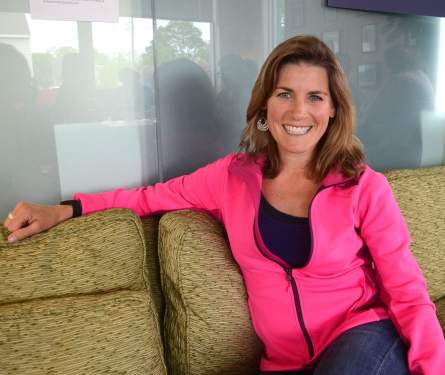
Jacqui Bryan.jpg

In 2003, Jacqui Bryan suffered a devastating breast cancer diagnosis which served as the catalyst for her to design health education programs highlighting the connection between disease and unhealthy lifestyle choices.

Jacqui Bryan is a nationally recognized Registered Nurse, a Whole Health Educator™, certified Health Coach and Functional Nutritionist and Lifestyle Practitioner. She also holds a Master’s degree in Health Communication from Tuft’s University School of Medicine and has additional training in the area of medical communication.

Jacqui utilizes her professional and personal experience working with proven strategies to inspire individuals and groups to harness the power of their internal motivation for healthy behavior change.

As an author, writer and professional speaker, she has been featured in the New England Cable News TV series on health and wellness, has written for Weight Watchers International and conducts patient engagement clinics for medical professionals.

Contact: JacquiBryan.com

Why Dark Chocolate Is A Good Health Food Choice

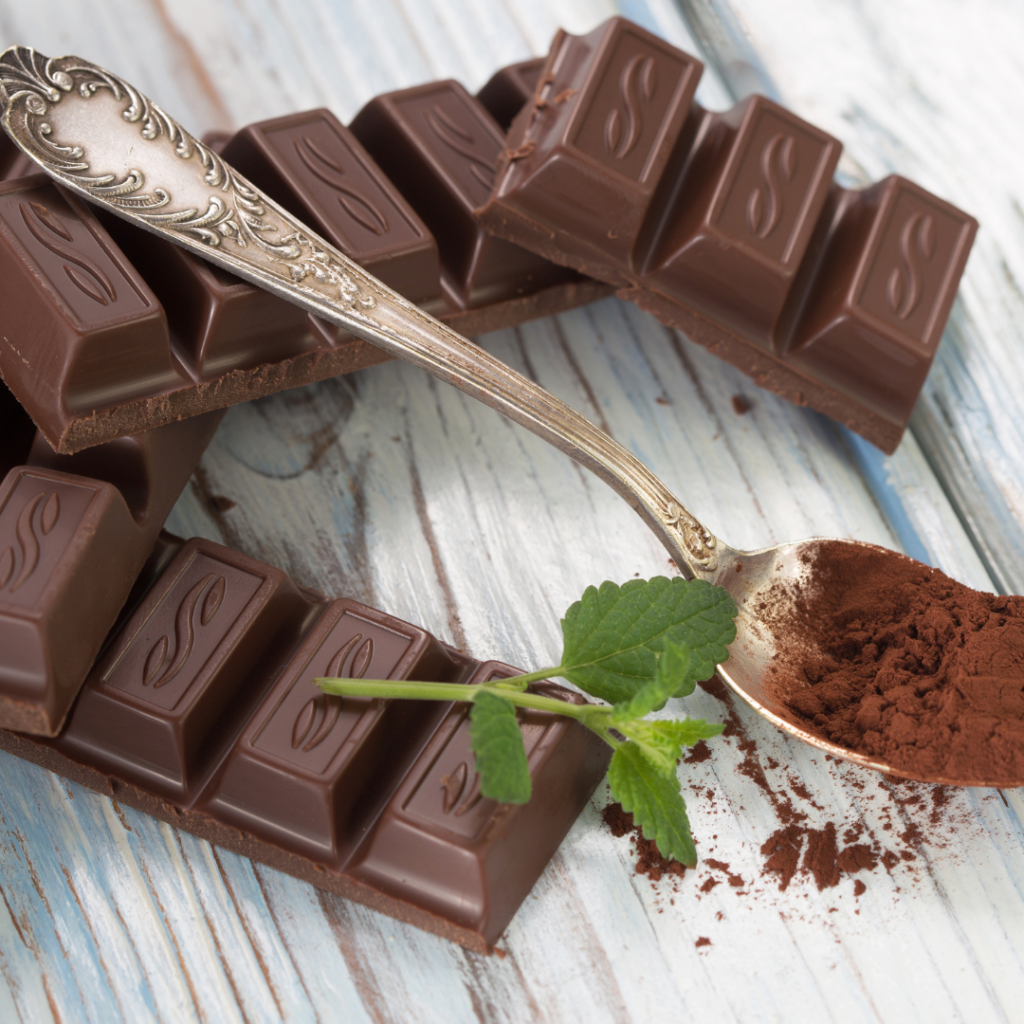
Dark chocolate is booming in gourmet shops, Michelin-starred restaurants, and chocolatiers across the globe–owing in no small part to recent research on the numerous health benefits of this product. Over a decade ago, studies pointing to dark chocolate as a potent health food began. One study, published by researchers at the University of Nottingham, showed that eating chocolate could help boost blood flow to key areas of the brain, thus providing a powerful boost to one’s cognitive skills. Dark chocolate contains many healthful compounds, including flavonols, which can help consumers battle fatigue, sleep deprivation, and even serious illnesses such as heart disease.

Dark Chocolate And Heart Health

The Federation of American Societies for Experimental Biology recommends the consumption of dark chocolate because this food helps restore flexibility to arteries and prevents white blood vessels from attaching themselves to the walls of blood vessels. Because artery stiffness and white blood cell adhesion are two major factors involved in atherosclerosis, foods which prevent these processes can play an important role in long-term health. Other studies have shown that dark chocolate lowers blood pressure. To avail of the beneficial effects of dark chocolate, enjoy this guilt-free treat in moderation, and opt for raw chocolate if possible, since it has a higher antioxidant content than heated chocolate.

Dark Chocolate vs Depression

A 2019 study published in the journal, Depression and Anxiety found that dark chocolate may help battle symptoms of depression and lift one’s mood. Scientists took into account factors like height, weight and physical activity, finding that after these adjustments, people who consumed chocolate in two 24-hour periods had a 70% lower likelihood of showing clinical depression. The causal relationship is unclear, though chocolate has long been thought to contain mood-enhancing properties, and it is a popular comfort food in various countries the world over.

Dark Chocolate And Stress

Depression and anxiety are two of the most common mental conditions in America, and stress can be a trigger for both. Stress, when present chronically, can also contribute to conditions like obesity, Type 2 diabetes and heart disease. A study published in the Journal of Proteome Research found that consuming around one and a half ounces of dark chocolate every day for two weeks reduced levels of stress hormones in people who were highly stressed.

Dark Chocolate For Athletes?

Researchers at Kingston University have deemed dark chocolate to be a tasty treat that could give athletes an edge in their training endeavors. This is because it has epicatechin – a type of flavonol (antioxidant) that increases the production of nitric oxide – a substance that dilates blood vessels and reduces oxygen consumption. The study showed that cyclists who ate dark chocolate used up less oxygen when exercising than those who did not. The researchers stated that further research would be required to determine the optimal antioxidant levels in dark chocolate than can boost sporting performance.

Why Make It Dark?

Dark chocolate is richer in antioxidants, but it has an added bonus – it is generally lower in sugar. Moreover, as found in a University of Copenhagen study, it is more filling than milk chocolate, which enables people to reduce their cravings for sweet, salty and refined foods containing unhealthy fats. In this study, participants ate 100 grams of either dark or milk chocolate after a 12-hour fast. After consuming chocolate, they were asked to eat as much pizza as they liked. The results showed that those who had consumed dark chocolate consumed 15% fewer calories afterwards than those who had indulged in milk chocolate.

There are so many reasons why dark chocolate is increasingly being seen as a guilt-free treat. It boosts heart health, helps battle stress, and is linked to a lower rate of depression. When choosing chocolate, choose sugar-free or stevia-sweetened varieties. Aim for chocolate that contains at least 80% of cacao to ensure it is truly ‘dark.’


Join the conversation. If you enjoyed this article, be sure to follow NIWH on Facebook and Twitter for regular updates filled with useful health advocacy program information for holistic nurses and health coaches.

Author Credit: Allie Oliver

Is a Healthy Immune System the New Focus of Travel Health?

The face of travel health has changed exponentially in the face of the current pandemic. While traditional medicine is still utilized as a treatment for travel-related concerns, recent times have seen holistic and integrative preventative measures and treatments become increasingly popular. This shift in focus has been noted both among conventional health care practitioners as well as the general public. Greater value is also being assigned to a healthy immune system as travel health becomes more prevention-based. While the body typically does a good job of keeping your immune system functioning well, the added stress associated with travel can put added pressure on it. Thankfully, there are a number of whole health solutions that can help a modern-day traveler remain healthy while journeying across the globe.

Optimal nutrition is vital

Many travelers fail to follow a healthy diet while traveling which leaves them at an increased risk of illness and injury.  The longer a trip is, the greater the impact of a diet lacking in vital nutrients will be.  Apart from affecting your immune system, a diet that lacks vitamins and minerals can also lead to lethargy, sporadic blood glucose levels, and compromised sleeping patterns.

Apart from following a diet that comprises of lean protein, ample amounts of fruit and vegetables, whole grains, and healthy fats, travelers can also benefit from quality vitamin and mineral supplements. A good multivitamin can provide the body with a much-needed nutritional boost when it is increasingly difficult to follow a nutrient-dense diet. Travelers also need to steer clear of contaminated food and water at all costs to prevent traveler’s diarrhea from setting in. Stick to drinking bottled water and avoid buying food from outlets that appear to be less than hygienic.

Make an effort to exercise

Alongside nutrition and sleep, exercise is seen as one of the pillars of integrative medicine.  Physical activity is essential for travelers as it helps to reduce inflammation and regenerate your immune cells. It is also of immense benefit to long-haul travelers who are at a greater risk of contracting deep vein thrombosis (DVT). The World Health Organization recommends that a healthy adult engages in at least 75 minutes of rigorous activity or 150 minutes of moderate-intensity exercise a week.  Moving around during a long flight will help keep DVT at bay while partaking in a physical activity you enjoy, such as walking, cycling, or swimming, will give both your immune system and energy levels a very welcome boost.

Sleep and immunity are closely related

Many individuals battle to get sufficient sound sleep while traveling – to the great detriment to their immune systems. Poor quality sleep and inadequate sleep have both been linked to an increased risk of illness. When traveling, extra effort may be required to ensure that you get the recommended 7 to 8 hours of sleep a night. Apart from boosting your natural immunity, sufficient sleep can also help your immune system fight off illness when you do get sick. If you are unable to get enough sound sleep at night due to your travel schedule, try to have one or two shorter naps during the day. Investing in a quality sleep mask can be especially beneficial if you struggle to sleep on planes or in new surroundings that may be more brightly lit than to what you are generally accustomed to.

The face of travel health has changed exponentially in recent times. A whole health approach to a healthy immune system is not only beneficial to travelers but to anyone wanting to lead an increasingly healthy life.

Join the conversation. If you enjoyed this article, be sure to follow NIWH on Facebook and Twitter for regular updates filled with useful whole health information for holistic nurses and health advocates.

Warning! Being In Love Can Cause Weight Gain

Love Is Fattening- Heart - Cocoa - Chocolate

Here’s a great article, written by Nicholas Bakalar, about a study that was published on the relationship between the weight gain of women who live with a mate in comparison to women who do not. Rather than excerpt material from the article, I would like to share it with you in its entirety. I hope this information is useful for you or someone you know.

Study Says Women With Mate Get Heavier
by Nicholas Bakalar

It is widely known that women tend to gain weight after giving birth, but now a large study has found evidence that even among childless women, those who live with a mate put on more pounds than those who live without one.

The differences, the scientists found, were stark.

After adjusting for other variables, the 10-year weight gain for an average 140-pound woman was 20 pounds if she had a baby and a partner, 15 if she had a partner but no baby, and only 11 pounds if she was childless with no partner. The number of women with a baby but no partner was too small to draw statistically significant conclusions.

There is no reason to believe that having a partner causes metabolic changes, so the weight gain among childless women with partners was almost surely caused by altered behavior. Moreover, there was a steady weight gain among all women over the 10 years of the study.

This does not explain the still larger weight gain in women who became pregnant. The lead author, Annette J. Dobson, a professor of bio-statistics at the University of Queensland in Australia, suggested that physiological changes might be at work.

“Women’s bodies may adjust to the increased weight associated with having a baby,” Dr. Dobson said. “There may be a metabolic adjustment that goes on when women are pregnant that is hard to reverse. This would be more consistent with our findings than any other explanation.”

The study covered more than 6,000 Australian women over a 10-year period ending in 2006.

At the start, the women ranged in age from 18 to 23. Each woman periodically completed a survey with more than 300 questions about weight and height, age, level of education, physical activity, smoking status, alcohol consumption, medications used, and a wide range of other health and health care issues.

Love Is Fattening- Surprise Weight GainBy the end of the study, published in the January issue of The American Journal of Preventive Medicine, more than half the women had college degrees, about three-quarters had partners and half had had at least one baby. Almost all of the weight gain happened with the first baby; subsequent births had little effect.

Also by the end of the study period, there were fewer smokers and risky drinkers than at the beginning, more women who exercised less, and a larger proportion without paid employment.

But even after adjusting for all of these factors and more, the differences in weight gain among women with and without babies, and among women with and without partners, remained.

Despite the study’s limitations — weight was self-reported, for example, and the sample size diminished over time because people dropped out — other experts found the results valuable.

“It’s interesting and brings out some important points,” said Maureen A. Murtaugh, an associate professor of epidemiology at the University of Utah who has published widely on weight gain in women. Perhaps, she suggested, a more active social life may help explain why women with partners gain more weight.

“Think of going to a restaurant,” Dr. Murtaugh said. “They serve a 6-foot man the same amount as they serve me, even though I’m 5 feet 5 inches and 60 pounds lighter.”

The study included only women, but the researchers cited one earlier study that showed an increase in obesity among men who had children, adding further evidence that social and behavioral factors are part of the explanation.

Dr. Dobson said the finding of weight gain among all the women, with families or without, was troubling.

“This is a general health concern,” she said. “Getting married or moving in with a partner and having a baby are events that trigger even further weight gain.

“From a prevention point of view, one can look at these as particular times when women need to be especially careful.”

Article Originally Published by the Herald Tribune.


Join the conversation. If you enjoyed this article, be sure to follow NIWH on Facebook and Twitter for regular updates filled with useful accredited health program information for holistic nurses and health coaches.

Listen to Whole Health discussions on my weekly radio show Living Above The Drama available on iHeartRadio.

Acting Courageously To Inspire Others Now

It is my pleasure to offer a Guest Post by Mr. Michael Harris, author of “Falling Down and Getting Up”. Check out Michael’s organization, The Getting Up Project at www.thegettingupproject.com

ACTION – Acting Courageously To Inspire Others Now

This acronym seems to say it all. There can be such tremendous joy when a personal action can help others feel inspired. This is one of the most valuable skills learned through health coach certification. But you don’t need to complete a program to help others. It could be inspiring your children to enjoy school and create a wonderful life. Perhaps it is speaking on the stage and inspiring the audience to fully live life. There is also another way to describe the action with greater intensity

“To exert a force with sufficient conviction and bravery to arouse greater efforts in another person at the present moment.”

What would happen to your life (and others) if you created ongoing action? If you are in a place where you are stuck, it just might move you in a way to get unstuck – especially if you are sitting on the couch too much! Maybe today is not a day you are taking action or doing something that can inspire others. Perhaps next time someone asks “how are you?” Instead of the standard “ok”, you say “I am grateful for today.” When you do that you may find the other person smiling – and inspired.

It can become a positive habit and a self-healing experience to ask yourself each day how are you “Acting Courageously To Inspire Others Now?”

Michael Harris is a popular yoga teacher, successful businessman, and business coach. He is the author of a soon to be published book, “Falling Down, Getting Up”, and inspiring journey of his personal process and ultimate success with standing back up again after falling down from health and personal struggles that forced him to develop skills and great wisdom on the subject of “falling down and getting up” again. He is the founder of The Getting UP Project, a growing movement that offers ideas and inspiration to live life with greater action and abundance. To find out more, visit www.thegettingupproject.com.


Join the conversation. If you enjoyed this article, be sure to follow NIWH on Facebook and Twitter for regular updates filled with useful health coach certification information for holistic nurses and health advocates.

Jackie Kai Ellis Shares A Powerful Passion For Food, Travel and Finding Oneself

The National Institute of Whole Health’s Program Director Dr. Georgianna Donadio recently interviewed Jackie Kai Ellis on her hit radio show, Living Above The Drama. Shared with you below is an introduction to this passionate woman and her journey followed by complete audio of the live-recorded episode for your listening pleasure.

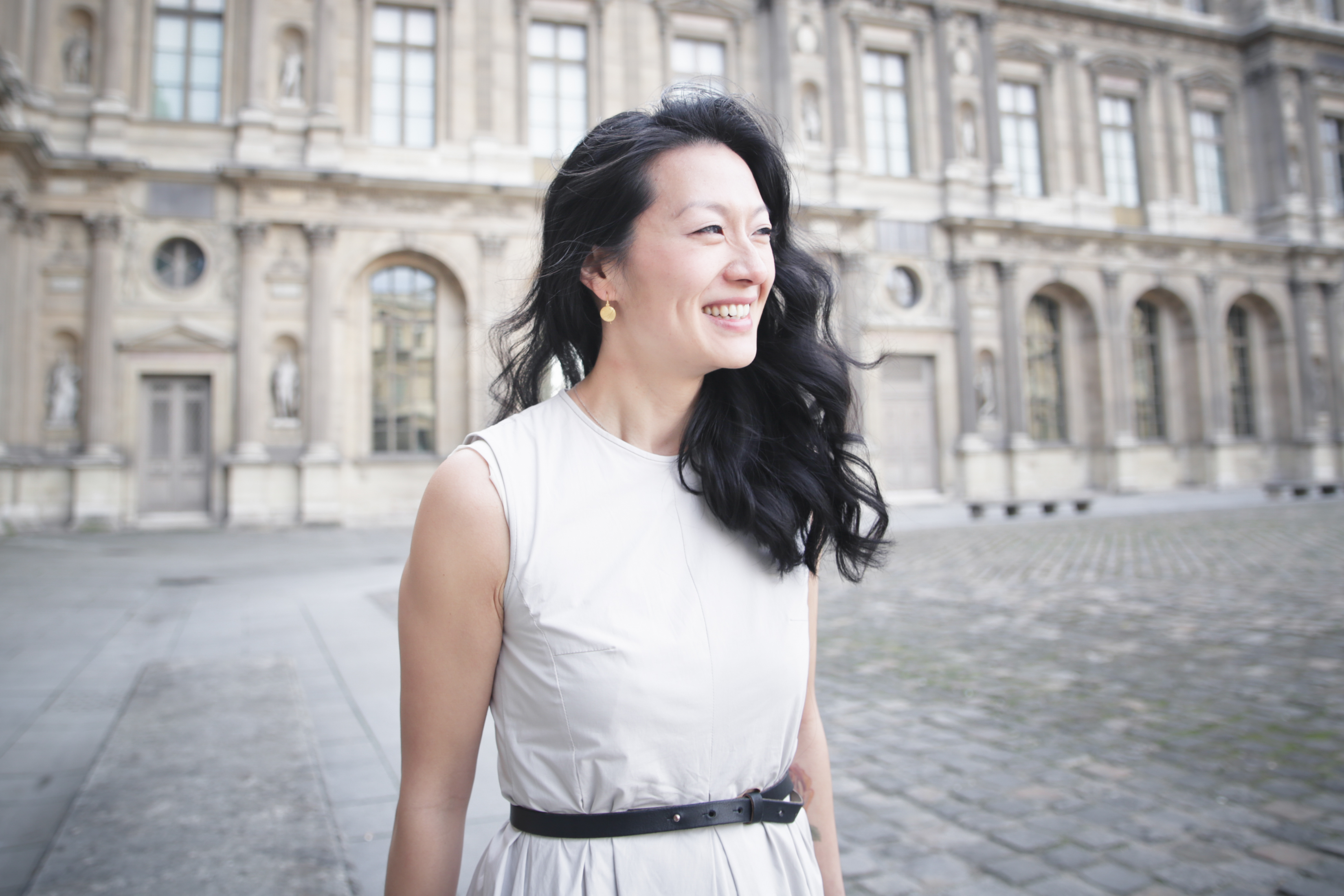
JKE-credit-flytographer_Jackie_0139My guest is a woman who has journeyed through the darkness of a painful childhood and empty marriage, to discover her true self, her beauty and her passion through the world of food– Food, apart from its actual function, can also be a metaphor for the nourishment we all need in life. A successful designer with her own studio, Jackie Kai Ellis, had accomplished what everyone told her she needed to be happy and fulfilled, yet each morning she would wake up dreading the day ahead. She had “the perfect life” – yet she was struggling to solve the problems within her marriage and looking to escape the ongoing depression which hung like a cloud over her days. Jackie’s love of cooking and baking led her to the only place where she found peace and comfort, in her kitchen.
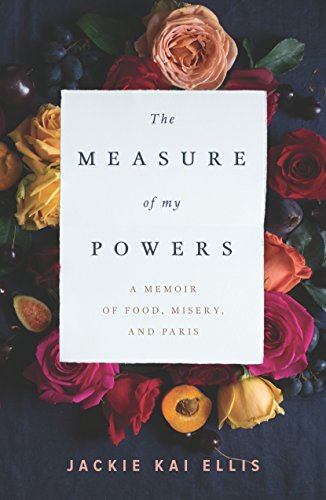

Jackie writes in her memoir: The Measure of My Powers: Food, Misery and Paris of the journey she takes to find herself, from France to Italy, then to the Congo and back again. Along the way, she goes to pastry school in Paris, eats the most perfect apricots over the Tuscan hills, watches a family of gorillas grazing deep in the Congolese brush, and has her heart broken one last time on a bridge in Lyon. Ultimately, she finds her unique path to joy and fulfillment.

In her soon to be released book, Jackie has shared her vulnerability, sadness, suffering, struggles and finally her wholeness and joy for life. We are all the better for being able to look behind the curtain of another’s life, especially a life that is believed to be “perfect”.

41FLvNiwilL

The Measure of my Powers:
Am Memoir of Food, Misery, and Paris
by Jackie Kai Ellis

Contact: jackiekaiellis.com

Can Being Too Clean Be Harmful?

Researchers at the University of Michigan School of Public Health analyzed data from the National Health and Nutrition Examination Survey. According to the outcome of the data they found that young children and teens who are overexposed to the chemical triclosan, found in anti-bacterial soaps, could have an increased risk for developing hay fever and other allergies. This finding actually suggests that being too clean can make people sick, the researchers say.

The same study found that bisphenol A (BPA) which is widely used in soaps, toothpaste, plastic products, medical devices and other commonly used items can also weaken the immune systems of adults exposed to higher than normal levels of the chemical. It is believed that BPA effects the immune system through its effects on the human hormonal system.

In this study researchers compared levels of triclosan and BPA in the urine with cytomegalovirus (CMV) antibody levels and diagnosis of allergies or hay fever in adults and children over age 6.

“We found that people over age 18 with higher levels of BPA exposure had higher CMV antibody levels, which suggests their cell-mediated immune system may not be functioning properly,” researcher Erin Rees Clayton said in a university news release. The study findings are published in the Nov. 30 2006 online edition of the journal Environmental Health Perspectives.


For more whole health discussions, listen to Dr. Georgianna Donadio’s radio show Living Above The Drama.

Three Things You Can Do Right Now To Change Your Life

The most important relationship we have is with ourselves. The way we think, eat, behave and use our resources define the quality of life we live. We all want to thrive and enjoy a healthy fulfilling life. Yet, in our over scheduled, frenzied personal environments and ever encroaching culture, the simple, basic, no-cost things we can to do to have an excellent relationship with ourselves and a happy, healthy life are often overlooked.

Here is a list of 3 simple immediate actions any of us can do immediately to improve and restore our well-being and enhance our health.

1. Buy with Cash –

Over the last 5 years, most of us have had a reality check regarding the corrosive nature of debt. It can cause stress, anxiety and sleepless nights, robbing us of our well-being and causing us to lose control over our relationship with money.

One of the fastest and easiest ways of “turning the ship around” when it comes to debt is to commit to using only cash for purchases and cutting up the credit cards. While we can have an emergency card or line of credit squirreled away for a real emergency, by reining in our spending habits and eliminating debt we can do more for our sense of well-being and health than following the latest health trends and starting an exercise program.

Yes, it’s true – reducing and eliminating the crushing stress of debt accumulation is the number one act of self-care we all need to commit to. Studies show that chronic stress and worry will make us sicker and even cause life threatening events such as stroke and heart attack more so than any other lifestyle behavior. Also, by paying in cash you are more aware of what you are actually spending and have the opportunity to ask yourself – “Do I really need to make this purchase?”

2. Clean out Your Closets

In our consumer drive environment we are invited daily to buy, buy, buy and can find ourselves living with closet, attics and basements overflowing with “stuff”. Much of this stuff we do not even use and may not even remember we have.

One of the most satisfying experiences is to clean out closets, drawers, basements, attics, garages, storage areas, etc., and thin out all the excess material possessions we have and do not need or use. Giving things away to the local “swap shop” or donating these unnecessary belongings to Goodwill or the Salvation Army will not only free up room and space in our homes but will also provide a greater sense of control over your living space as well as provide a sense of orderliness and cleanliness – all good things for our health and happiness.
3. Post Your Life Goals and Affirmations

We all have goals and dreams we want to realize. One of the fastest, proven ways to achieve those goals and manifest our dreams is to write them down and post them throughout our whole working and living environments. Take the most urgent and important goal you have at this time and focus on it daily using post-its or other reminders of what you want to manifest.

This no cost, proven method for creating the things we want in our lives can become an excellent life-long habit. When one goal is realized or achieved we can identify the next important goal and work on that specifically, using our desire and unconscious mind to manifest our dreams. After all, thoughts really are “things” and by repeatedly thinking on something, we can create it into reality. Everything was a thought before it became a reality – the chair you are sitting on was a thought in someone’s mind before it was created. We can and do create our lives with our thoughts – so post away and realize your goals.

Our Pets Improve Our Health

While it may be difficult to get Americans to collectively agree on the many issues, it seems that when it comes to pets and the value we place on them, there is little disagreement. The 2015-2016 American Pet Products Association survey reported that an astounding 65% of all American households have a pet. An identified 79.7 households have dogs–over 100 million of them in all. Cat owner households total 42.9 million. Fresh water fish, birds, reptiles and horses, along with small animals such as rabbits, hamsters, and others make up another 25-27 million pets.

Americans, it seems, have also come to view and treat their pets in human terms. No longer satisfied with relegating the family pet to its own domain, today’s pet lovers are demanding the highest quality products and services for those they love. The idea of buying a simple dog chew or catnip toy now takes a back seat to designer sweaters and jewelry for our beloved companions. The current trend of dog hotels instead of kennels, indoor animal toilets, perfume, a hugely popular service “doggie dates” and exotic animal sitting services have found their way into today’s pet economy.

For the most passionate pet lover, faux mink coats, lumberjack vests, designer jackets, matching jeweled leather collar and leash sets, Halloween costumes, and holiday outfits are becoming part of the new “pet fashion.” Safety seats for transporting pets in vehicles are also becoming popular. One of the larger pet expenditures is pet food. These days the pet food aisle looks strikingly similar to the rest of the “human food” aisles in chain grocery stores. Specialized, balanced gourmet meals are readily available in the refrigerator section as well as a plethora of animal treats, vitamins, and supplements. Special diet foods for the senior pet population offer life extension and prolonged health.

The country’s household expenditures on pets for 2015-16 was in excess of 62.75 billion dollars. It is easy to imagine that this number must be a mistake as this is more money being spent on pets in the United State than the gross national product numbers for all but 64 countries around the world. This 62.75 billion dollar figure also represents almost double the approximately $35 billion dollars Americans spend on going to movies, playing video games, or for listening to recorded music.

The approximate 20% of non-pet households are for the most part made up of individuals with allergies, or who live in apartments or other environments that do not welcome pets, and those who have no time left in their over-scheduled lives to care for a pet. It seems people of all ages, ranging from infants to very elderly, enjoy and welcome the company of pets. The presence of pets is so popular today that some nursing facilities now have therapy pets at the facility on a regular basis. The one down side to this practice is that sometimes the residents start arguing and competing over who gets to keep the cat, dog, or bird with them for the day.

What fuels our passion for pets? It is really quite simple. Our pets love us unconditionally. They listen to us when we speak, provide companionship without politics or the agenda of most relationships. They accept our love and affection the way we chose to give it, without complaint, and they provide us in return with affection and loyalty. They are the ultimate loving family member, and we are now treating them as such. Can anyone blame us?

Social networking has become the way we communicate and “do” relationships. These days it is often over e-mail and texting messages that we are starting relationships or ending them, sharing major life events–even proposing marriage. The intimate contact of human connections we had even 15 years ago before the dominance of the internet and cell phones is now being replaced by our pets.

Pets are not only beloved companions, but they are also taking on the role of healers. Dogs have been long known for their service as seeing eye dogs, but the use of dogs and other pets in many areas of healing and health monitoring are becoming more widespread. Dogs who alert their companions for seizures or “sniff out” cancer or horses that assist with helping autistic children to interact with others are easily found on the news or internet.

A recent study by researcher Dr. Karen Allen at the State University of New York at Buffalo identified that individuals suffering from hypertension when adopting a dog or cat had lower blood pressure readings in stressful situations than their counterparts who did not have a pet companion. The National Institute of Technology Assessment Workshop, Health Benefits of Pets, identified that pets provide greater psychological stability, which us protects not only from heart disease and other stress related conditions but also reduces depression. In the same study, pets have been shown to lower the cost of health care as individuals with pets make fewer doctor visits, especially “for non-serious medical conditions.”

A Perdue University study demonstrated that when seniors face traumas or other forms of adversity, the affection received by their pets and the bond between them helps prevent depress and loneliness. As a means of enhancing our psychological and physical well-being, pets have the power to love us, heal us, and help us to live longer. If only we could get other humans to do so with the same honesty and loyalty that our pet companions provide us.

Sources:

For more whole health discussions, listen to my weekly radio show Living Above The Drama. Also available on iHeartRadio.

Nurture The Thymus To Empower The Immune System

The Thymus, in yoga and energy circles is often referred to as “the heart” chakra. In an integrative whole health approach to patient care, the Thymus is considered a primary source of all immune cells being formed through the stimulation of “T” (thymus) cells and “B” (bird – because they were first discovered in birds) cells. In encouraging behavior that nurtures the thymus, a whole health nurse coach can assist in empowering the immune system.

From the very early stages of our embryology the Thymus is the primary mover in the development of our immune systems. It shrinks after early childhood but still plays a roll in communicating with the early T and B cells it populated back when we were still in our mother’s uterus.

The Thymus is the self-esteem component of Maslow’s Hierarchy. This is evident in as much as our immune function is an expression of how we care for and think about ourselves. To see this at work, the observation of HIV positive patients, who have a high self-esteem and self worth, rarely manifest AIDS; sometimes never does it manifest, or only when the individual is confronted with profound stress such as loss or grief which lowers the immune system function. Less than 50% of HIV positive patients ever develop AIDS and much of this is contributed to the individual’s self-esteem level. Physically the Thymus is intimately connected to our Immune System and Neurotransmitters.

Regarding Selye’s Stress Model, the Thymus can express Infections/Compromised Immunity – which is a loss of self protection. The Thymus is the environmental (internal and response to the external) component of the Whole Health Five Aspects.

So far we have gone over FIVE (5) of the SEVEN (7) aspects. The last three, as we saw with the reproductive glands, the adrenals and pancreas, clarify the emotional and behavioral aspects of each specific endocrine gland.

The VIRTUE of the Thymus is HOPE – the individual who sees the world as good and holding promise for the future has hope and feels positive about life and what is to come. This also creates a positive sense of self and self-esteem. Hope fills our life with thinking about the future and that we can fulfill our dreams and goals, rather than directing our attention to what others have and we don’t have. With hope comes the belief that we can be valued, loved and belong in this world – which is an important component to being healthy and having a strong immune system.  

The DEADLY SIN of the Thymus is very opposite of the virtue of the Thymus – hope and belief in the future, seeing the world as good and abundant; the sin of the Thymus is that of ENVY – resentment towards what others have; feeling diminished and less valued because another may be perceived as having more than us. Envy, jealously and resentment are poison to the heart, the mind and the body. Envious thoughts send messages to the cell membranes of our immune system that are toxic to the body’s health and function.

Once again we can see the value and importance in understanding how the body works a whole integrated being. The Thymus is a major player in the endocrine system, disabling or empowering the immune system to keep us healthy or make us sick.

The outcome of our Thymus function is up to us – our thoughts, behaviors, virtues and negative actions all play a role in this amazing gland’s function.J


For more whole health discussions like this, listen to my weekly radio show Living Above The Drama. Also available on iHeartRadio.