Why Dark Chocolate Is A Good Health Food Choice

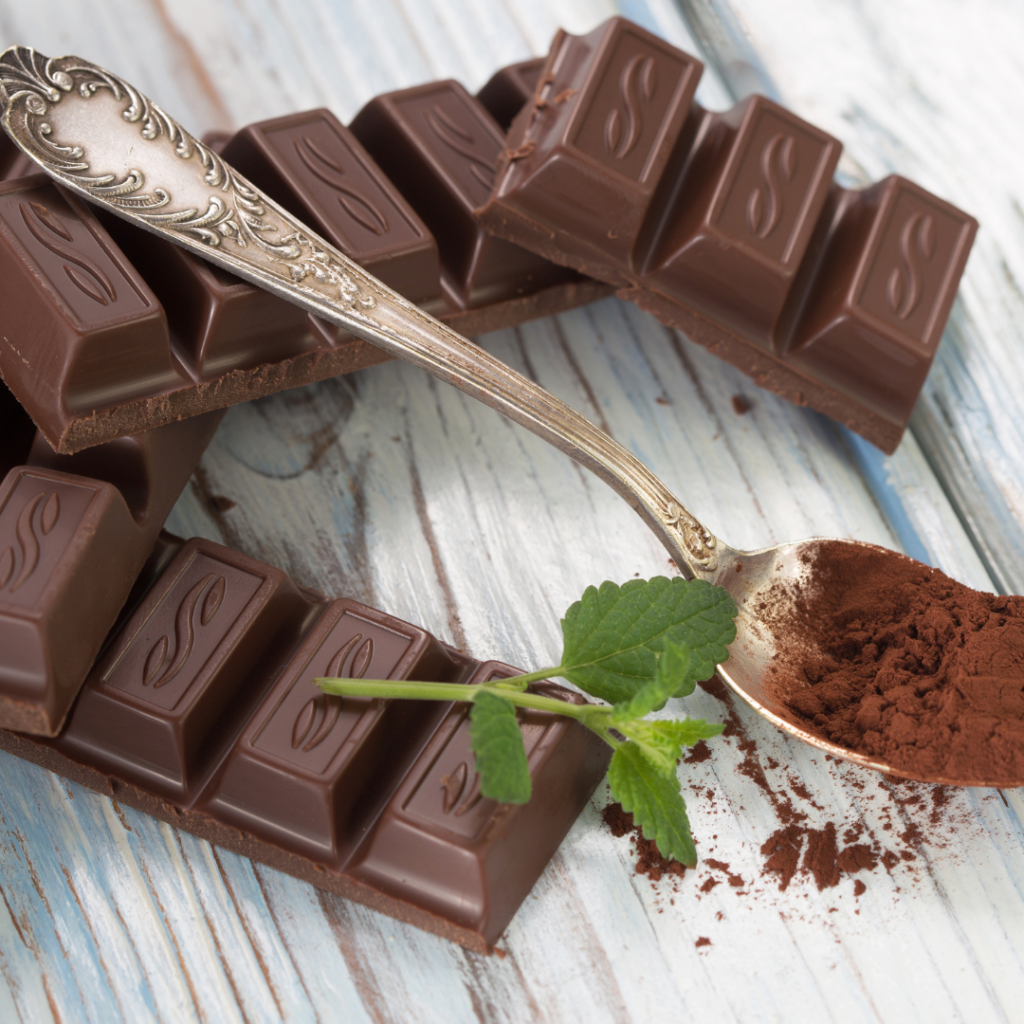
Dark chocolate is booming in gourmet shops, Michelin-starred restaurants, and chocolatiers across the globe–owing in no small part to recent research on the numerous health benefits of this product. Over a decade ago, studies pointing to dark chocolate as a potent health food began. One study, published by researchers at the University of Nottingham, showed that eating chocolate could help boost blood flow to key areas of the brain, thus providing a powerful boost to one’s cognitive skills. Dark chocolate contains many healthful compounds, including flavonols, which can help consumers battle fatigue, sleep deprivation, and even serious illnesses such as heart disease.

Dark Chocolate And Heart Health

The Federation of American Societies for Experimental Biology recommends the consumption of dark chocolate because this food helps restore flexibility to arteries and prevents white blood vessels from attaching themselves to the walls of blood vessels. Because artery stiffness and white blood cell adhesion are two major factors involved in atherosclerosis, foods which prevent these processes can play an important role in long-term health. Other studies have shown that dark chocolate lowers blood pressure. To avail of the beneficial effects of dark chocolate, enjoy this guilt-free treat in moderation, and opt for raw chocolate if possible, since it has a higher antioxidant content than heated chocolate.

Dark Chocolate vs Depression

A 2019 study published in the journal, Depression and Anxiety found that dark chocolate may help battle symptoms of depression and lift one’s mood. Scientists took into account factors like height, weight and physical activity, finding that after these adjustments, people who consumed chocolate in two 24-hour periods had a 70% lower likelihood of showing clinical depression. The causal relationship is unclear, though chocolate has long been thought to contain mood-enhancing properties, and it is a popular comfort food in various countries the world over.

Dark Chocolate And Stress

Depression and anxiety are two of the most common mental conditions in America, and stress can be a trigger for both. Stress, when present chronically, can also contribute to conditions like obesity, Type 2 diabetes and heart disease. A study published in the Journal of Proteome Research found that consuming around one and a half ounces of dark chocolate every day for two weeks reduced levels of stress hormones in people who were highly stressed.

Dark Chocolate For Athletes?

Researchers at Kingston University have deemed dark chocolate to be a tasty treat that could give athletes an edge in their training endeavors. This is because it has epicatechin – a type of flavonol (antioxidant) that increases the production of nitric oxide – a substance that dilates blood vessels and reduces oxygen consumption. The study showed that cyclists who ate dark chocolate used up less oxygen when exercising than those who did not. The researchers stated that further research would be required to determine the optimal antioxidant levels in dark chocolate than can boost sporting performance.

Why Make It Dark?

Dark chocolate is richer in antioxidants, but it has an added bonus – it is generally lower in sugar. Moreover, as found in a University of Copenhagen study, it is more filling than milk chocolate, which enables people to reduce their cravings for sweet, salty and refined foods containing unhealthy fats. In this study, participants ate 100 grams of either dark or milk chocolate after a 12-hour fast. After consuming chocolate, they were asked to eat as much pizza as they liked. The results showed that those who had consumed dark chocolate consumed 15% fewer calories afterwards than those who had indulged in milk chocolate.

There are so many reasons why dark chocolate is increasingly being seen as a guilt-free treat. It boosts heart health, helps battle stress, and is linked to a lower rate of depression. When choosing chocolate, choose sugar-free or stevia-sweetened varieties. Aim for chocolate that contains at least 80% of cacao to ensure it is truly ‘dark.’


Join the conversation. If you enjoyed this article, be sure to follow NIWH on Facebook and Twitter for regular updates filled with useful health advocacy program information for holistic nurses and health coaches.

Author Credit: Allie Oliver

Warning! Being In Love Can Cause Weight Gain

Love Is Fattening- Heart - Cocoa - Chocolate

Here’s a great article, written by Nicholas Bakalar, about a study that was published on the relationship between the weight gain of women who live with a mate in comparison to women who do not. Rather than excerpt material from the article, I would like to share it with you in its entirety. I hope this information is useful for you or someone you know.

Study Says Women With Mate Get Heavier
by Nicholas Bakalar

It is widely known that women tend to gain weight after giving birth, but now a large study has found evidence that even among childless women, those who live with a mate put on more pounds than those who live without one.

The differences, the scientists found, were stark.

After adjusting for other variables, the 10-year weight gain for an average 140-pound woman was 20 pounds if she had a baby and a partner, 15 if she had a partner but no baby, and only 11 pounds if she was childless with no partner. The number of women with a baby but no partner was too small to draw statistically significant conclusions.

There is no reason to believe that having a partner causes metabolic changes, so the weight gain among childless women with partners was almost surely caused by altered behavior. Moreover, there was a steady weight gain among all women over the 10 years of the study.

This does not explain the still larger weight gain in women who became pregnant. The lead author, Annette J. Dobson, a professor of bio-statistics at the University of Queensland in Australia, suggested that physiological changes might be at work.

“Women’s bodies may adjust to the increased weight associated with having a baby,” Dr. Dobson said. “There may be a metabolic adjustment that goes on when women are pregnant that is hard to reverse. This would be more consistent with our findings than any other explanation.”

The study covered more than 6,000 Australian women over a 10-year period ending in 2006.

At the start, the women ranged in age from 18 to 23. Each woman periodically completed a survey with more than 300 questions about weight and height, age, level of education, physical activity, smoking status, alcohol consumption, medications used, and a wide range of other health and health care issues.

Love Is Fattening- Surprise Weight GainBy the end of the study, published in the January issue of The American Journal of Preventive Medicine, more than half the women had college degrees, about three-quarters had partners and half had had at least one baby. Almost all of the weight gain happened with the first baby; subsequent births had little effect.

Also by the end of the study period, there were fewer smokers and risky drinkers than at the beginning, more women who exercised less, and a larger proportion without paid employment.

But even after adjusting for all of these factors and more, the differences in weight gain among women with and without babies, and among women with and without partners, remained.

Despite the study’s limitations — weight was self-reported, for example, and the sample size diminished over time because people dropped out — other experts found the results valuable.

“It’s interesting and brings out some important points,” said Maureen A. Murtaugh, an associate professor of epidemiology at the University of Utah who has published widely on weight gain in women. Perhaps, she suggested, a more active social life may help explain why women with partners gain more weight.

“Think of going to a restaurant,” Dr. Murtaugh said. “They serve a 6-foot man the same amount as they serve me, even though I’m 5 feet 5 inches and 60 pounds lighter.”

The study included only women, but the researchers cited one earlier study that showed an increase in obesity among men who had children, adding further evidence that social and behavioral factors are part of the explanation.

Dr. Dobson said the finding of weight gain among all the women, with families or without, was troubling.

“This is a general health concern,” she said. “Getting married or moving in with a partner and having a baby are events that trigger even further weight gain.

“From a prevention point of view, one can look at these as particular times when women need to be especially careful.”

Article Originally Published by the Herald Tribune.


Join the conversation. If you enjoyed this article, be sure to follow NIWH on Facebook and Twitter for regular updates filled with useful accredited health program information for holistic nurses and health coaches.

Listen to Whole Health discussions on my weekly radio show Living Above The Drama available on iHeartRadio.

Nurture The Thymus To Empower The Immune System

The Thymus, in yoga and energy circles is often referred to as “the heart” chakra. In an integrative whole health approach to patient care, the Thymus is considered a primary source of all immune cells being formed through the stimulation of “T” (thymus) cells and “B” (bird – because they were first discovered in birds) cells. In encouraging behavior that nurtures the thymus, a whole health nurse coach can assist in empowering the immune system.

From the very early stages of our embryology the Thymus is the primary mover in the development of our immune systems. It shrinks after early childhood but still plays a roll in communicating with the early T and B cells it populated back when we were still in our mother’s uterus.

The Thymus is the self-esteem component of Maslow’s Hierarchy. This is evident in as much as our immune function is an expression of how we care for and think about ourselves. To see this at work, the observation of HIV positive patients, who have a high self-esteem and self worth, rarely manifest AIDS; sometimes never does it manifest, or only when the individual is confronted with profound stress such as loss or grief which lowers the immune system function. Less than 50% of HIV positive patients ever develop AIDS and much of this is contributed to the individual’s self-esteem level. Physically the Thymus is intimately connected to our Immune System and Neurotransmitters.

Regarding Selye’s Stress Model, the Thymus can express Infections/Compromised Immunity – which is a loss of self protection. The Thymus is the environmental (internal and response to the external) component of the Whole Health Five Aspects.

So far we have gone over FIVE (5) of the SEVEN (7) aspects. The last three, as we saw with the reproductive glands, the adrenals and pancreas, clarify the emotional and behavioral aspects of each specific endocrine gland.

The VIRTUE of the Thymus is HOPE – the individual who sees the world as good and holding promise for the future has hope and feels positive about life and what is to come. This also creates a positive sense of self and self-esteem. Hope fills our life with thinking about the future and that we can fulfill our dreams and goals, rather than directing our attention to what others have and we don’t have. With hope comes the belief that we can be valued, loved and belong in this world – which is an important component to being healthy and having a strong immune system.  

The DEADLY SIN of the Thymus is very opposite of the virtue of the Thymus – hope and belief in the future, seeing the world as good and abundant; the sin of the Thymus is that of ENVY – resentment towards what others have; feeling diminished and less valued because another may be perceived as having more than us. Envy, jealously and resentment are poison to the heart, the mind and the body. Envious thoughts send messages to the cell membranes of our immune system that are toxic to the body’s health and function.

Once again we can see the value and importance in understanding how the body works a whole integrated being. The Thymus is a major player in the endocrine system, disabling or empowering the immune system to keep us healthy or make us sick.

The outcome of our Thymus function is up to us – our thoughts, behaviors, virtues and negative actions all play a role in this amazing gland’s function.J


For more whole health discussions like this, listen to my weekly radio show Living Above The Drama. Also available on iHeartRadio.

Why Am I Always Hungry?

Why Am I Always Hungry? Snacks. National institute of Whole Health Article

Hunger is a natural response by the body when it has used up the caloric intake from our last meal and we need to replenish. When we are in a constant state of hunger, or hungry very shortly after our last meal, this can signal a health problem such as hormonal imbalance or other either genetic or chronic health conditions. The hormones from the thyroid, pancreas, reproductive glands, and pituitary or adrenals glands are all possible contributors to constant hunger.

There are also other factors that can play a large role as well. A diet that is very low in fat can create a constant hunger. Our bodies require a certain amount of fat each day to regulate our metabolism and these healthy fats (such as avocado, nuts or olive oil). These fats trigger a hormone called leptin that curbs or stops the appetite.

Why Am I Always Hungry? Snacks. National institute of Whole Health Article

When any one of many things that can create imbalances or that can override the body’s normal metabolic function occurs, we can short circuit the body’s ability to sustain normal appetite and food consumption. Most commonly these are hormone or neurotransmitter imbalances that create hunger due to the interruption of the normal hunger/hormone chemical.

Stress can play a large role in this condition, as well as excessive or chronic long term carbohydrate intake. Excess carbohydrates can result in both a decrease and an increase in insulin secretion which can then trigger several metabolic problems and syndromes.

If you are experiencing, chronic persistent hunger it is important to consult with your physician. There are many situations that can also contribute to your hunger such as hyperthyroidism, menstrual irregularities, Von Gierke disease, bulimia, Prader-Willi syndrome, diabetes, medications or hypoglycemia.

Join the conversation. If you enjoyed this article, be sure to follow NIWH on Facebook and Twitter for regular updates filled with useful health coach certification information for holistic nurses and health advocates.

For more whole health discussions like this, listen to my weekly radio show Living Above The Drama available on iHeartRadio.

Your Immune System

immune system

Truly one of the most amazing examples of inter-cooperative, biochemical engineering imaginable! The immune system – our own personal National Guard and Marine Corps – rolled into one. It is always vigilant – 24/7 – to keep us from harm or invasion by foreign enemies – microbes that want to grow and flourish in our internal environment.

One of the fun things about teaching for the past 30 years is watching the reactions of learners as they “get” what their immune system really is – that great “aha” moment when the dots get connected and it all makes sense. This is when we start to have a different relationship with our body and a new respect for how awesome, amazing and comprehensive the immune system is!

When most of us think “immune system” we think tonsils, spleen, lymph nodes (glands in our arm pits, throat and groin) and of course our white blood cells. These body parts certainly are members of the immune elite. If you check with the encyclopedia or on Google, you are likely to find these wonderful entities under the definition of immune system.

However, when we look at this amazing system from a Whole Person Health perspective, this short list of parts becomes a much longer one, indeed. There are dozens of white blood cells and related specialized immune cells that do a phenomenal job of playing “Pac-Man” with the unwanted microbes in our blood stream, tissues and organs. Every organ in our body has an immunological role to play from the liver, which detoxifies, to the stomach which contains hydrochloric acid to kill bacteria and microbes coming in through the mouth, up to and including our nostril hairs that trap unwanted foreign particles before they can irritate our airways.

In fact, there is no part of our body that isn’t part of our immune system. The largest “part” of our immune system is our skin which is responsible for protecting our insides from outside entities and vice versa. As the skin is the number one rated beauty or sexual attraction in both men and women around the world, (anthropological research by Margaret Mead and others) we can easily see that to have beautiful skin is a reflection of a healthy immune system and a strong indicator of a healthy productive system.

For more whole health discussions like this, listen to my weekly radio show Living Above The Drama available on iHeartRadio.

A Brief Guide To Nourishing Your Immune System

By Georgianna Donadio, MSc, DC, PhD-

A Brief Guide To Nourishing Your Immune System

Maintaining a healthy immune system is simple, yet in our enormously complex and hurried environment it becomes complicated to live a simple life and stay healthy. This is an important perspective to wrap ourselves around especially regarding our lifestyle choices and how we take care of our health – which is in the main, our immune system.

The National Institute of Whole Health offers this short guide to immune hygiene. To maintain good health and avoid disease, follow these steps.

  • Remember that everything that goes into your body impacts your immune function and immune health.
  • Eat more plant-based, living, nutritious food to support a healthy body.
  • Your thoughts creates proteins that communicate those specific thoughts to your immune cell membranes, so be mindful of your thinking.
  • Chronic stress and adrenal gland function suppress your bone marrow and immune system functions. Find more ways to relax more often.
  • Laughter and joy strengthen immune function by increasing serotonin. Maintain good humor.
  • Clean air and water are basic essentials to a healthy immune system.
  • Compassion and caring increase Immunoglobulin-A, an immuno-protein. Be Kind.
  • Exercise pumps 10,000 white blood cells through the lymph glands, cleansing and detoxifying the “little garbage cans” of the body. Be active for at least 20 minutes every day.
  • Cleanliness and sanitation prevent immune assaults by micro-organisms. Wash your hands frequently.
  • Loving and being loved increases positive immune responses and secretions. Nurture supportive relationships.
  • Purposeful living reduces stress and balances the nervous system. Find your purpose.
  • Eliminating debt enhances longevity through immune system integrity. Use smart budgeting practices.
  • Remember that everything is connected to everything else in your life – especially your immune function. So be kind to your body .

Follow these simple, intuitive and common sense guidelines to preserve and protect the system that protects you. This a great way to stay healthy in any environment.

You may also enjoy this article on Digestion and The Incredible Ways It Affects Your Whole Health!

Join the conversation. If you enjoyed this article, be sure to follow NIWH on Facebook and Twitter for regular updates filled with useful health advocacy program information for holistic nurses and health coaches.

Creating a Natural Immunity to HPV

On August 19, 2009, the Journal of the American Medical Association published an article that evaluated the safety of Gardasil, a vaccine that targets the sexually transmitted human papillomavirus, HPV (FDA.gov, 2009). The article explores 12,424 reports of adverse reactions, many of which were considered serious. What does this mean for those seeking to make an informed decision?

These adverse reactions suggest the vaccine, currently directed primarily for use by young women aged 12 – 19,  not only may cause serious side effects, but has been fatal. In addition, some states are working to make these immunizations mandatory for all school aged females 12 and older.

As the mother of a teenage girl, I know the concern that this vaccine has caused for many of us and wish to share information with you about natural immunity to HPV, that may be helpful for you and your daughter. For those considering the vaccine, this may be important information for you to be aware of.

Here is a quote from from the National Cancer Institute regarding HPV – “Infection with certain types of HPV is the major cause of cervical cancer. Almost all women will have an HPV infection at some point, but very few will develop cervical cancer. The immune system  of most women will usually suppress or eliminate HPVs. Only HPV infections that are persistent (do not go away over many years) can lead to cervical cancer.”

HPV infections have increased over the past 20 years in much younger females as a result of earlier and multiple-partnered intercourse, coupled with the lack of competent birth control, as well as inadequate nutritional status of the female. This data can help shape recommendations for health coaches and whole health advocates. As a result of the increase in such infections, the HPV immunization was developed and, as the TV commercials attest, marketed to the mothers of very young females.

Here are excerpts from Judicial Watch regarding the vaccine reactions:

> “Information has been received … concerning a 17 year old female who in June 2007 … was vaccinated with a first dose of Gardasil … During the evening of the same day, the patient was found unconscious (lifeless) by the mother. Resuscitation was performed by the emergency physician but was unsuccessful. The patient subsequently died.”

> “Information has been received … concerning a 12 year old female with a history of aortic and mitral valve insufficiency … who on 01-MAR-2007 was vaccinated IM into the left arm with a first does of Gardasil … On 01-MAR-2007 the patient presented to the ED with ventricular tachycardia and died.”

> “Initial and follow-up information has been received from a physician concerning an ‘otherwise healthy’ 13 year old female who was vaccinated with her first and second doses of Gardasil. Subsequently, the patient experienced … paralysis from the chest down, lesions of the optic nerve…At the time of the report, the patient had not recovered.”

The natural way to immunize against HPV, in both teenagers and the general female population, is to postpone engagement with multiple sexual partners, consistent use of condoms as a 70% protection against the virus, and maintaining a healthy nutritional diet through whole foods and nutrition supplementation. Hopefully, this information can help you discern more about the use of HPV vaccination.

For more whole health discussions like this, listen to my weekly radio show Living Above The Drama available on iHeartRadio.

Why Is Chicken Soup So Good For You?

Why is Chicken Soup So Good For You?

Generations of parents have spooned chicken soup into their sick children. Now scientists have put chicken soup to the test, discovering that it does have effects that might help relieve cold and flu symptoms in two ways. First, it acts as an anti-inflammatory by inhibiting the movement of neutrophils — immune system cells that participate in the body’s inflammatory response. Second, it temporarily speeds up the movement of mucus, possibly helping relieve congestion and limiting the amount of time viruses are in contact with the nose lining.

The National Institute of Whole Health supports this integrative approach to nutrition. In addition to supporting the body, food has the ability to stimulate and aid healing. When it comes to chicken soup, the healing qualities come from the ingredients. Let’s break down the components to identify the source of the immune-boosting and anti-inflammatory agents in chicken soup.

Considering that chicken is one of the most popular ingredients in the stock used to prepare chicken soup, it makes sense to understand what exactly it is that chicken has to offer. Chicken contains an amino acid called cysteine, a substance released when you make the soup. This amino acid is similar to the drug acetylcysteine, which is prescribed by doctors to patients with bronchitis due to its ability to breakdown proteins found in mucous that settles in the lungs.

Cysteine can be found in proteins throughout the body and when used as a supplement it is usually in the form is N-acetyl-L-cysteine (NAC). The cool part about this is, cysteine, whether taken in supplement form or not, converts to glutathione. Glutathione is a potent antioxidant, protecting fatty tissues from the damaging effects of free radicals. The antioxidant activity of glutathione is attributed specifically to the presence of cysteine in the compound.

In addition, glutathione also plays a vital role in the detoxification of harmful substances by the liver and can chelate (attach to) heavy metals such as lead, mercury, and cadmium. It is also believed that glutathione carries nutrients to lymphocytes and phagocytes, important immune system cells.

Next, we have the carrots. Carrots, one of the routine vegetable ingredients found in chicken soup, are the best natural source of beta-carotene. The body takes that beta-carotene and converts it to vitamin A. Vitamin A helps prevent and fight off infections by enhancing the actions of white blood cells that destroy harmful bacteria and viruses.

In addition to their antioxidant and immune-enhancing activity, carotenoids have shown the ability to stimulate cell to cell communication. Researchers now believe that poor communication between cells may be one of the causes of the overgrowth of cells, a condition which eventually leads to cancer. By promoting proper communication between cells, carotenoids may play a role in cancer prevention.

Onions, another chicken soup regular, contain quercetin, another powerful anti-oxidant. Quercetin is a bioflavonoid that is found naturally present in teas — both green and black — apples, onions, and beans. It offers many benefits including maintaining the health of collagen. which is responsible for the firmness and health of our skin. Quercetin also improves the health of capillary and connective tissue (alleviating bruising, edema, varicose veins, etc.).  Other benefits include its ability to inhibit histamine, acting as a natural anti-histamine in many bronchial related conditions, such as allergies and asthma. In addition, quercetin has been ascribed anti-inflammatory and decongestant properties. For individuals who live in high pollen count areas, quercetin is extremely advantageous as it limits allergic reactions due to pollen.

To top it off, stock contains minerals in a form the body can absorb easily—not just calcium but also magnesium, phosphorus, silicon, sulphur and trace minerals. It contains the broken-down material from cartilage and tendons–stuff like chondroitin sulphates and glucosamine, now sold as expensive supplements for arthritis and joint pain.

I could probably keep going but I will let you learn more by giving it a try. As any of you reading this probably would assume, it is best to use only organic, free range protein, organic veggies and filtered water to get the best results from your broth.


For more whole health discussions like this, listen to my weekly radio show Living Above The Drama available on iHeartRadio.

A New Year – A New Start


“Happy New Year” is a greeting that fills us with anticipation, excitement and hope. The anticipation is for the new beginning we feel as the ball drops and we say good-bye to the past and look forward to the future. Our excitement is for the many possibilities that may lay ahead in the coming year and the hope is for a better 12 months than those that came before.

What are some simple, positive and productive actions we can take in this New Year that will support our optimistic January resolutions?

  • Start with a clean slate. – Cleaning and organizing your home space is one of the most positive ways to start the New Year. It has been shown in numerous studies that a clean, organized environment provides a sense of relaxation and calm and also helps us to be more productive because we are more organized and this results in a more efficient work or study outcome.
  • Commit to spending less and saving what you don’t spend. – By setting a goal of saving a realistic amount of money each month and achieving that goal by spending that much less each month is an empowering and satisfying way to take more control over your finances and reinforce that you can transform your savings/spending patterns without much stress and strain.
  • Eat less processed foods and more living foods. – This is not only a healthy resolution but also a cost saving one as well. We as Americans enjoy an abundant lifestyle and have the highest obesity rate in the world to prove it. By focusing on life giving plant based foods, we nourish our bodies and save a lot of money by not buying high priced processed and often non-nourishing “foods”.
  • Identify an organization, charity or cause that you can either provide a small but heartfelt donation or voluteer time to. Participating in meaningful assistance to others is rewarding on many levels and is good for our health as well as our sense of contributing to the greater good.

Each New Year is an opportunity for a new beginning…and life, it is often said, is a series of new beginnings.

Happy New Year,

National Institute of Whole Health


Join the conversation.

For more whole health discussions like this, listen to my weekly radio show Living Above The Drama available on iHeartRadio.

Another Flu Season Ahead

Another Flu Season Ahead: Whole Health Preparations

According to the Centers For Disease Control and Prevention, influenza activity typically starts to increase in October and November, leading to the largest peaks in December and again in February. What are you doing to protect yourself?

Every year we are inundated with reports of possible flu pandemics and cautioned to get our flu shots early. For those of us who are staunch devotees of the annual flu shot, the sooner the better. This is especially true for nurses who, according to the CDC, come in contact with more infectious agents than the average person.

For those who are concerned about putting provocative proteins, such as flu shots, into their bodies–or anyone interested in boosting their resistance further–there are whole health alternatives that can be utilized to prevent from getting the flu. The number one determining factor as to whether or not you get a cold or flu is how resilient your immune system is. The healthier and more resilient your immune system, the least likely you are to get sick, get a cold or the flu.

What is the best way to keep your immune system health and resilient throughout the flu season?

The National Institute of Whole Health offers these tips to use for yourself and also to educate patients or clients you may be nursing or coaching throughout the upcoming flu season.

> Hygiene – Sounds too simple to be important, but hand washing is the number one prevention tool in avoiding colds and flus

> Proper Rest – Getting enough sleep is essential to your nervous and immune system functioning at optimal levels. Being sure not to “run yourself down”, as grandma might have told, is really good advice.

> Proper Nutrition – Vitamin C, B, A, D, E, enough protein, essential fatty acids and calcium rich foods are all important in keeping your body functioning well and having the resilience to fight off colds and the flu

> Keeping Stress Under Control – Stress suppresses your immune function. By keeping stress at bay you will allow your body its best advantage to stay healthy.

> Relax and Have Fun – Laughter and pleasure have been shown in clinical trials to enhance Immunoglobulins which increase immune function activity and keep us healthy. By creating time and opportunity for regular fun and pleasure you will help your body to help you stay well.

> Protection From The Elements – many people don’t realize that the weather and temperature have a significant impact on their stress adaptation and immune system. Being properly dressed against all forms of weather helps to prevent colds and flu.

These very simple yet essential tips for staying well can help, whether you choose to have a flu shot or not, to give your body the best advantage against flu season.


For more whole health discussions like this, listen to my weekly radio show Living Above The Drama available on iHeartRadio.