What We Believe Becomes Our Reality

How Beliefs Become Reality

Ten years ago, Newsweek ran an article by Howard Brody, MD, PhD, author of “The Placebo Response: How You can Release Your Body’s Inner Pharmacy for Better Health.” He begins the article by telling a story of a patient who experiences “a medical miracle”. She was undergoing experimental brain surgery for her Parkinson’s disease. She was so stiff before she had the surgery that she could barely take a step. When several months later a TV new magazine filmed the woman, she was striding easily across the room.

Now here is the exciting part of the story – the surgery she had was a fake. She was part of a fetal-cell transplant research study. The procedure consisted of drilling holes into the skull and placing fetal cells into specific targeted areas of the brain.

The woman was placed under anesthesia and holes were drilled into her head. But,she did not have any fetal cells implanted into her brain. This meant that her miraculous recovery was entirely what is called the “nuisance factor” by researchers, or better known as
the placebo effect.

In the conclusion of the study, it was stated that the patients who received the sham operation realized almost the same effects as the ones who received the fetal cell implants. This is a powerfully important piece of information with regard to understanding that we can “tell ourselves” or implant messages into our conscious and unconscious mind about what we want to realize about our health or our lives and can manifest those very messages into reality.

The National Institute of Whole Health’s accredited health programs recognize that beliefs are powerful things and what we tell ourselves and others tell us can make us better or worse. We all have “our story” and we tell it over and over again both to ourselves and to others. We believe it, we expect it and we project it. When we change our beliefs and our story, we change the outcomes.

One of the better-known studies which demonstrates how changing our stories can change our outcomes (and our lives) is the 1980’s breast cancer support group study that was written up in the journal Advances. All of the women had breast cancer that had metastasize before the study began. Their prognosis was poor but they became a group who listened to each others stories, supported each other, cared about one another and helped each other manage their symptoms and disease. They also helped each other change their story.

It is not surprising that the women in this support group lived on average 18 months longer than breast cancer patients with the same degree of metastasis.

Join the conversation. If you enjoyed this article, be sure to follow NIWH on Facebook and Twitter for regular updates filled with useful accredited health program information for holistic nurses and health coaches.

Mighty Muscles and Bones: How Do The Muscular And Skeletal Systems Help Us Work?

Our Mighty Muscles And Bones

In the past our accredited health program has explored the nervous system, brain function, cranial nerves, digestive function, adrenal function, and the immune system. Now let’s take a look at the most glamorized, yet under-appreciated, part of our body—our mighty muscles and bones. So, how do the muscular and skeletal systems help us work?

Muscular Attraction

The muscles get a lot of attention with regard to how they can make us look attractive and sexy to others. Our muscle tone communicates how healthy our body is. The strength of the muscles, the lack of water retention or fat in the muscles, and how flexible we are, all indicate that we may be a good reproductive partner and produce strong, healthy offspring. This is one of the functions we all can relate to, but it is certainly not the most important function of our muscles.

Try to imagine what your life would be like if your muscle tissue could not form the shape of your body. What if it didn’t allow you to physically move around your environment? Without locomotion, thru muscle strength and movement, we would be a lump of humanity, never moving from the spot we found ourselves in.

Mighty Bones

Our bones are so amazing too. Remember that apart from their distinctive and critical role as part of the immune system carrying precious bone marrow, they are the armature upon which our muscles are draped. Bones allow cooperation between the muscles, to physically move, play, exercise, work, eat, sleep and achieve all of the mobility we experience throughout our day.

When we look at people stooped over with distorted posture and their musculature not functioning properly, we immediately associate this with either being ill or not “vital.” Our posture is the number one thing people notice, followed by how we are dressed. Our body language is expressed thru our bone/muscle function. In essence, our personality and how we view the world are all communicated in how we move through the space we inhabit.

Working Together

Physiology teaches that our muscles and bones not only share the work load in glucose and immune regulation, body heat production, fat metabolism, mineral storage, and the ability for “fight or flight”—self-preservation. They also communicate to the world what we think about ourselves, others, and the world through the expression of body movement and non-verbal communication. This can be one of the most attractive or frightening aspects about us – depending on how we express our movement and actions.

Keeping your muscles and bones strong thru exercise and a healthy diet is a wise move. Without them, we are literally “going nowhere.”

For more whole health discussions, listen to my weekly radio show Living Above The Drama. Also available on iHeartRadio.

Dogs Are An Essential Support To Senior Wellbeing

Dogs Are An Essential Support To Senior Wellbeing

Animal therapy has become recognized as an alternative method in helping seniors remain healthy, both mentally and physically. In fact, a study published in the journal Pain Medicine found that therapy dogs helped to significantly reduce pain and emotional distress in individuals battling chronic conditions. Moderate exercise and eating right are key to a senior’s ongoing well being, but having a four-pawed companion can have tremendous whole person health benefits as well.

Dog Walking Takes Steps Toward Better Health

On the physical side, having a dog provides a mandatory excuse for a senior to get outside and walk. There’s also the physical movement of feeding and providing water everyday. These activities all contribute to lower blood pressure and fewer occurrences of chronic health conditions like obesity.

In fact, a University of Missouri study showed that walking a dog regularly can lead to a lower body mass index. This can positively contribute to overall health and help prevent conditions such as heart disease and diabetes. Seniors in the study who walked their dog also reported fewer doctor visits.

Emotionally, for a single senior, whether home alone or in an assisted-living facility, a dog provides heart-felt companionship to battle loneliness, and gives the senior a purposeful reason to get up and moving every day. Dog-walking also has social benefits. Seniors who walk dogs have an easy way to connect with other pet lovers who cross their path.

Pets Help Maintain The Brain

Memory loss and cognitive health can be a side effect of aging. However, new research has shown that having a pet in the twilight years can spur extended brain strength. These daily routines of pet ownership help keep a senior’s brain focused and even improve memory as we age, according to Dr. Penny B. Donnenfeld. “I’ve seen those with memory loss interact with an animal and regain access to memories from long ago,” the psychologist explains. “Having a pet helps the senior focus on something other than their physical problems and negative preoccupations about loss or aging.”

Assisted Living Pet Friendly Places

Recognizing the correlation between pet ownership and whole health, senior assisted-living communities are now allowing and encouraging ownership. And while on top of paying rent, pets can be another financial commitment, there are federal programs like Medicaid that minimize health care and prescription costs. Those savings can be used by seniors on a budget to feed and support their furry friends. For those seniors who don’t want to own a pet, many facilities and nursing homes have created programs where rescue organizations bring in dogs during the week for resident interaction during so-called “pet therapy” sessions. Staff often report positive changes in mood and behavior of the folks during and after these visits.

Caring and feeding of a dog can have rich results on a senior’s physical and mental health. Walking a dog literally keeps a senior on his or her toes, and takes a person’s mind off pain or loneliness. Dogs remain man’s best friend and maybe even more so in a person’s twilight years.


For more whole health discussions, listen to my weekly radio show Living Above The Drama. Also available on iHeartRadio.

Use Stress Reduction To Avoid Chronic Disease

Patients my use stress reduction to avoid chronic disease

Understanding the connection between brain function, cranial nerves, digestion and immune functions illuminates how and why dysfunction and “dis-ease” occur in the body. Just as our machines need electricity to operate, so do our internal organs and cells require electrical impulses to function. The degree to which a patient’s nervous system is balanced and well-functioning – or not – is the degree to which they are healthy and able to function at maximum capacity in the world. This is the key to how students of the accredited health program can guide their patients in using stress reduction to avoid, or reduce the symptoms of, chronic disease.

Many healing arts, such as acupuncture, yoga postures, meditation, chiropractic, breathing techniques, biofeedback, hypnosis, EMDR and others attempt to restore balance to the nervous system as the pathway to improving internal and external bodily function. These methods address the cause of the presenting condition, rather than just treating the pain or symptom of the bodily malfunction.

By looking more closely at the digestive system and its intimate relationship with the immune system and the nervous system, we can easily follow the pathway of how brain function and the nervous system can create a “whole body” systemic cascade of bodily reactions, which over time lead to chronic illness and disease. Our nervous systems are impacted by stressors; however, stress is not limited to just the emotional realm as many believe. The broader topic of stressors and adrenal function are explored throughout NIWH’s health coach and holistic nurse certification programs.

stress reduction whole health educationFor now, keep in mind that when our stress or anxiety causes our limbic system to send biochemical messages to our cranial nerves, our digestive systems can be functionally affected. The anxiety and stress increases our adrenal function output, and this increase of adrenal hormones and steroids in turn decreases our digestive and immune system functions.

A written schematic would look like this:

Stressor = A limbic system response and/or increased adrenal cortisol secretion. = Decreased digestive function thru sympathetic cranial nerves (vagus nerve) and decreased immune (bone marrow) function.

The effect of a stressor on the body in the short term can be readily overcome by a healthy, adaptive nervous system. It is the longer stress–the chronic ongoing conditions and issues–that place wear and tear on our nervous systems and organs. It is this friction or wear and tear that leads to chronic illness.

By understanding the intimate dance of our body’s organs and systems and how to maintain a balanced, healthy nervous system we can help patients use stress reduction to avoid illness and chronic disease, and to live long, productive and disease free lives!


For more whole health discussions, listen to my weekly radio show Living Above The Drama. Also available on iHeartRadio.

Are Toxic Chemicals Hiding In Your Bathroom?

bathroom, washing hands, soap, chemicals,

Cleaning products can be as unhealthy for human lungs as smoking twenty tobacco-based cigarettes a day, according to a study from the University of Bergen. And with 28% of Americans spending more than seven hours a week cleaning their homes, there are potentially big risks involved in being around harmful chemicals. Whether it’s an increased risk of cancer or minor ailments like throat problems, these chemicals can cause significant health issues.

 Formaldehyde

This is one of the most common bathroom product dangers. It’s found in everything from laundry detergent to soap. Unlike green household product alternatives such as organic or self-made cleaning materials, it can cause severe health problems for people who are repeatedly exposed to it. These can include leukemia and other forms of cancer, given that formaldehyde is a carcinogen. Exposure methods are varied. It may be that you breathe it in, for example. You can also take it in through your digestive system if you eat food that has been contaminated by a formaldehyde-heavy environment.

Ammonia

Ammonia is also found in a number of major cleaning products, such as window cleaning fluids and bottles of multi-purpose spray. And it too can cause a number of issues. It’s possible that a person who is exposed to ammonia will experience a burning sensation in their throat, and in the worst case scenario, long-lasting lung problems. Cell damage is also a distinctive possibility for those who breathe in ammonia. When it combines with the naturally-present water inside the human body, it creates the dangerous and abrasive  ammonium hydroxide compound.

 Phthalates

Terms like “ammonia” are relatively well known, even if the exact effects that they can have on people aren’t as familiar. But the truth of the matter is that there are lots of other less recognized chemicals in many bathroom products which are just as problematic for your family – and potentially even more so. One of these is phthalates. These are found in all sorts of bathroom products, including air fresheners. They can even be found in toilet paper.

The effects of phthalates can be diverse, and usually negative. An experiment carried out by the Centers for Disease Control and Prevention and Harvard University found that men with pronounced phthalates levels in their bloodstreams saw lower sperm counts. They’re particularly associated with products which are artificially fragranced. So, it’s wise to go for more organic options if you’re considering buying a bathroom cleaning product designed to keep the smells at bay.

A tub of sanitizer or a bottle of bleach may seem like a must-have when it comes to health and hygiene around the bathroom. But the reality is that these products could be putting you and your family at risk. From the formaldehyde in detergents to the ammonia in those ever-handy surface sprays, there’s a lot to look out for – and it may be worth carrying out a bathroom product audit and weeding out the dangerous items.


For more whole health discussions, listen to my weekly radio show Living Above The Drama. Also available on iHeartRadio.

Looking Beyond The Hype: Digging Deep into the Reality of Supplements

Market research conducted in August 2018 found that the Vitamin and Supplement Manufacturing industry in the US ballooned to profits of $31 billion. This number is a clear sign of the American public’s great desire to pursue a greater level of whole health and integrative nutrition. The debate, however, still continues to thrive in regards to the safety, efficacy, and even necessity of taking supplements. While supplements aren’t new, it’s still worth exploring and discussing them before jumping on the bandwagon.

The Rising Popularity of Supplements

A commissioned study from 2017 found that 76% of respondents say that they consume dietary supplements. The supplements they take commonly come in the form of pills, powders, and even herbal teas. The common responses when asked why they took supplements were to “improve” and “maintain” their health. Another 15% claimed that taking supplements boosted their immune system and that they were getting sick less often. Word of mouth and social media have all been conducive in spreading the glowing reviews of satisfied users to entice other people into using dietary supplements, as well.

The Unforeseen Risks

The issue begins when the supplements that people purchase are fake and contain harmful elements that end up compromising their whole person health. Even when the supplements are authentic, there’s a risk to combining different ones and using them with medication. Taking too much of certain nutrients like iron can cause hemochromatosis, as warned by the FDA. Popular supplements like St. John’s Wort originally enjoyed a reputation of being effective in boosting moods and chasing the blues away. It wasn’t until later when people found that it curbs the efficacy of antibiotics and even antiretrovirals. You just might be risking your health because of a post that you read online, so it’s best to be careful.

A Life Without Supplements

Consumers that are skeptical or have heard horror stories about fake ones wonder if it’s possible to survive without them. It actually is; it’s just going to involve a lot of dedication. A lot of the vitamins and nutrients that supplements claim to give you are readily available in the food we consume regularly. When you carefully plan the food that you eat, you can actually get the nutrient count that you need. You can try to create a food plan that maximizes your nutritional intake or you can have a health coach or dietitian help you out.

Finding the Right Balance

There are supplements that do as advertised and there are all-natural diets that work. It is entirely possible to reach some sort of compromise between supplements and diet; all that’s needed is due diligence. Read up on different findings to build a study-based and fact-based opinion on supplements and nutrition. There’s a wealth of information out there about integrative nutrition. If that isn’t enough, you can always ask your trusted nurse coach or other healthcare professional for their educated opinion.

At the end of it all, doing research about supplements will safeguard your whole person health. As a consumer, it’s your responsibility to see if something trendy is worth dabbling into. Always avoid putting your health at any unnecessary risk.

———————-
For more whole health discussions like this, listen to my weekly radio show Living Above The Drama. Also available on iHeartRadio.

Author Credit: Allie Oliver

Healthy Habits: Eat More Colors

The living world around us is filled with color. Look around and you may see blue sky, green grass, aqua oceans, and an unlimited array of tress, flowers and plants bursting with intense, vibrant color. Health is associated with color as well. When we are healthy we have pink cheeks, bright eyes, and a healthy flush to our skin. Quite interestingly, aging is the gradual loss of color. This fading of color marks the slowing or ebbing of life vibrancy.

It is no wonder then that colorful foods are the healthiest foods we can nourish our bodies with. They contain nutritional benefit in the form of phytonutrients, which means plant nutrients. The fruits and vegetables with the most vivid colors contain the highest amount of these important plant nutrients. Their hues act as a table of contents for the phytochemicals found inside the plant.

Listed below is a color guide for choosing the fruits and vegetables that will provide these powerful healing plant nutrients. Make a conscious effort to include a variety of these healthy colors in your daily diet. Not only will you get more nutrients, but your meals will become more fun and enjoyable.

  • Orange: Contains beta-carotene, an antioxidant that supports immune function.
  • Yellow-Orange: Provides vitamin C, which detoxifies and inhibits tumor cell growth.
  • Red: Holds lycopen, an antioxidant that reduces cancer risk.
  • Green: Contains folate and iron, which are essential to building healthy cells and genetic material.
  • Green-Light: Provide indoles and lutein, which eliminates excess estrogen and carcinogens.
  • Green-White: Hold allyl sulfides. These can destroy cancer cells and support a healthy immune system.
  • Blue (fruits): Contain anthocyanins that destroy free radicals.
  • Red-purple (fruits): Provide reservatrol, a plaque reducer and mineral chelator.
  • Brown (legumes, whole grains): Are high in fiber, carcinogen remover and digestive aid.

Filling your diet with many colorful fresh fruits and vegetables is a great way to ensure your body is getting all the vitamins, minerals, and phytonutrients you need to stay healthy, happy, and vibrant. Think ‘rainbow’ the next time you prepare your plate.

For more whole health discussions like this, listen to my weekly radio show Living Above The Drama. Also available on iHeartRadio.

10 Tips Anyone Can Use To be Healthier

10 Nurse Coach Tips For Improving Whole Person Health

Everyone loves “tips”, especially when it comes to improving their whole person health. Here is a short but powerful list of things we can all do to be healthier, thinner and more energetic. The best part is they are easy to do and aren’t expensive. Share these tips with your health coaching clients and patients too:

  •  Drink more water. Sometimes we overeat because we are actually in need of more body fluid, so drink more water, especially when you are hungry.
  •  Move more. The simple act of physically moving is a great way to get more exercise, improve circulation and reduce calories.
  •  Eat less starch. Complex carbohydrates are the main culprit in producing excess insulin, which is a major player in diabetes, heart disease, stroke and obesity.
  • Eat out less. Americans are eating 75% of our meals outside the home. The amount of salt, MSG and chemicals in the foods eaten outside the home is unhealthy and preparing food at home is not only healthier but also less expensive.
  • Enjoy a hobby that relaxes you. Nurses with hobbies have lower blood pressure and are less stressed from being able to redirect their energies and attention into something they love to do.
  • Keep plants or have a pet. Statistics show that people who keep pets or take care of plants are less depressed and more social. In nursing homes, residents are given plants to take care of to reduce depression.
  • Have regular personal quite time. Nurse coach and other healthcare focused careers, while rewarding, can be quite stressful at times. Meditation, prayer, chanting, contemplation are all ways to slow down the nervous system and help improve sleep and digestion.
  • Pay down your debt. The amount of debt a person maintains exerts a major influence to the amount of stress they have in their lives. Owe less, live longer.
  • Be sure to get 8 hours sleep. You might be able to function on less but for your body to rest and rejuvenate 8 hours is the ideal.
  •  Eat breakfast. People who eat breakfast live 7 years longer than those who don’t because the body functions more efficiently when eating is on an appropriate schedule.

For more whole health discussions like this, listen to my weekly radio show Living Above The Drama available on iHeartRadio.Join the conversation. 

Food and Mood Are Intimately Connected: A Whole Health Perspective

Food and Mood by Dr. Georgianna Donadio of The National Institute of Whole Health

After completing an interview for a national magazine on “Food and Mood” I was reminded about how intimately our mood and our food are connected– a topic explored more deeply in our Accredited Whole Health and Wellness Nutrition program. The magazine article was about “what foods help our moods.” But maybe the larger question is: “What do our moods have to do with what we eat?”

It’s interesting that the emphasis is usually on how things from outside of us affect our inside. In reality so much of what is going on inside of us affects our outsides. This is really evident in terms of weight loss and weight gain. The way we feel about ourselves, work, life, and whether we are fulfilled or dissatisfied has more to do with what or how much we choose to eat, than eating a food has to do with how it “makes us feel.” In Whole Health, everything affects everything.

One of the reasons diets don’t work is because the “work” is being done on the outside of the problem instead of the inside. I have been a nutritionist for over 30 years and have seen tens of thousands of patients who want to change the way they look or the way they eat. When we start to “work” on the goal, within a relatively short period of time, they become aware that there are underlying feelings and emotions associated with not eating foods that help them to “medicate” or mask their feelings.

They often become discouraged because the feelings are uncomfortable and sometimes painful. It is human to avoid pain and move towards pleasure. It takes courage to truly tackle and confront the underlying issues of food and mood, focusing on the inside of the problem, instead of the outside.

Here is an exercise you may find some value in. If you are dealing with mood or food issues, keep a journal for 10 days. Write down everything you eat. Include how you feel when you don’t eat what you want and how you feel when you do eat what you want.

Just becoming more aware of what you are putting in your mouth and how it translates to how you feel after you eat can be the start of a healthier and happier relationship with food and mood. This is just one of many benefits associated with taking a whole health approach.

http://www.wholehealtheducation.com/living/2018/10/food-and-mood-and-whole-health/


For more whole health discussions like this, listen to my weekly radio show Living Above The Drama available on iHeartRadio.

Are You Consuming Too Much Sodium?

Are You Consuming Too Much Sodium? Here's What The Experts Say.

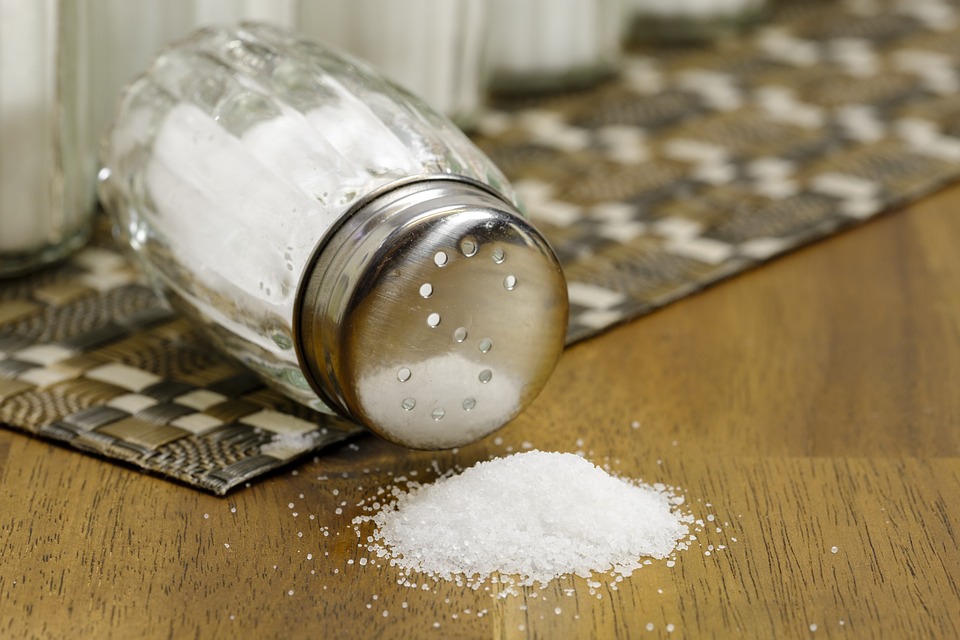
Sodium is a naturally occurring, essential mineral that helps regulate body fluids and kidney function. Of concern to many is the fact that high doses can cause hypertension, kidney damage, and decrease of calcium absorption. It can cause bloating, fatigue and increase your risk for strokes and heart disease.

The Right Nutritional Value

The recommended daily intake of sodium is 2,300 mg per day. A low sodium diet is considered between 400 – 1000 mg a day. A normal sodium diet is considered between 1500 – 2,300 per day, and a high sodium diet between 2,500 and 4,000 mg per day. The average American diet contains over 3,500 mg per day, according to the U.S. Center for Disease Control. Experts agree that damage of high sodium accumulates and can have a long term, life threatening effect.

Even those of us who think we are eating well and are careful about our food choices, may not realize how much sodium is lurking in our foods. Processed, canned, jarred and frozen foods have high levels of sodium, as do most restaurant prepared meals and certainly “fast foods” where sodium and flavor enhancers are added for taste and texture.

Few of us realize that foods we eat every day are loaded with sodium. In considering the examples below, it becomes clear that, once again, the best foods to eat are fresh and unprocessed, which not only contains more nutrients, but contains much less sodium.

High Sodium Foods To Avoid:

> One cup of cocoa has 950 mg of sodium.
> A chicken fillet sandwich has 940 mg of sodium.
> Tomato ketchup has 1042 mg.
> Parmesan cheese contains 1862 mg.
> Processed cheese has 1189 mg.

The list goes on. The more processed the food, the more likely it is to contain high sodium levels. On the other hand, Fresh fish, fruits, nuts, eggs, beans, meats and vegetables have low levels of sodium.


For more whole health discussions like this, listen to my weekly radio show Living Above The Drama available on iHeartRadio.