Surprising Ways Digestion Affects Your Overall Health!

Georgianna Donadio, MSc, DC, PhD

The single most reported complaints in all hospital emergency rooms are related to digestive system disorders. The digestive system is the most “stress affected” system in the human body and a big topic in our accredited health program. According to the Drug Topics News Magazine for Pharmacists (October, 2008) in 2008, Americans spent 5 billion dollars on over-the-counter digestive or “stomach” remedies.

It Starts With Education

Wouldn’t it be helpful to understand and educate others on how and why they are suffering from digestive ailments? In the accredited health program, we all know people who eat organic, natural food and are meticulous about the quality and quantity of what they put in their body and yet are sick, tired and plagued with health issues. Then there are others who eat anything and everything, the good, the bad and the ugly, and have energy to burn, not a pimple on their entire body and feel great.

Often, this is the result of the function and efficiency of their individual nervous systems. Those who have an active “sympathetic” nervous system, with the tenth cranial nerve wreaking havoc with their alimentary canal then to struggle. These are the folks that no matter what they eat and how much pure or clean organic food they consume – they just don’t do well and feel unwell much of the time.

For the individual with a well-tuned central nervous system, the digestive system can be a culinary playground that accepts all types of nutrients and food stuffs and produces ample nutrition without upset or illness.
What makes one nervous system different from another, one person’s experience different from another? It has more to do with the unconscious personality of an individual than any other single factor, with the exception of the rare congenital or pathological occurrence.

Demystifying The Nervous System

Just as our machines need electricity to operate, so do our internal organs and cells require electrical impulse to function and operate as well. The degree to which our nervous system is balanced and well-functioning – or not – is the degree to which we are healthy and able to function at maximum capacity in the world. As discussed in our accredited health programs, many healing arts such as acupuncture, yoga postures, meditation, chiropractic, breathing techniques, biofeedback, hypnosis, EMDR and other healing modalities attempt to restore balance to the nervous system as the pathway to improving internal and external bodily function. These methods address the cause of the presenting condition and not just treat the pain or symptom of the bodily malfunction.

Looking more closely at the digestive system and its intimate relationship with the immune system and the nervous system, we can easily follow the pathway of how brain function and the nervous system can create a “whole body” systemic cascade of bodily reactions which overtime lead to chronic illness and disease.

Bringing Stress Into The Mix

Our nervous systems are impacted by stressors; however, stress is not limited to just emotional stress as many believe. Stress includes poor nutrition, inadequate sleep, infection, excess exertion, surgery, trauma and reproduction. When our stresses or anxiety cause our brain to send biochemical messages to our cranial nerves, our digestive systems can be functionally affected. The anxiety and stress decrease our digestive and immune system functions.

The effect of a stressor on the body in the short term can be readily overcome by a healthy, adaptive nervous system. It is the longer-term stress, the chronic ongoing conditions and issues that place wear and tear on our nervous systems and organs and it is this friction or wear and tear that leads to chronic illness.

By understanding the intimate dance of our body’s organs and systems and how to maintain a balanced, healthy nervous system, we can avoid illness and chronic disease and live long, productive and disease-free lives!


For more information on Whole Health Living, consider visiting the National Institute of Whole Health. This nationally accredited program provides comprehensive, evidence-based Whole Health training for Patient Advocates, Whole Health Educators, and more.


 

Losing Weight and Staying Trim

Georgianna Donadio, MSc, DC, PhD

With warmer weather returning and bathing suit shopping on our minds, many of us are making plans to improve our nutrition and shed a few pounds. What would a holistic approach to weight loss look like? It must consider each aspect of the whole person to create healthy habits for individual weight loss. This article will highlight strategies to both jumpstart and maintain that weight reduction.

What has become clear over the years is that a simple, common sense and consistent plan of action is the most successful and easiest to follow. Crash diets and other extreme approaches to changing the way you eat almost always fail. Here are some simple yet effective rules to making a big difference in your weight status but also, and more importantly, in your overall whole health and wellbeing.

  • Remove sugary drinks from your menu. Sodas that contain sugar are empty food calories that rob nutrients from your body and help to create fat-forming calories. If you have coffee or tea with sugar, this can also be a source of ongoing weight gain that you may not realize is accumulating day by day.
  • Beware of portion control. When it comes to portion control, it’s best to use common sense. The general rule around not changing your diet but changing your portion control is to start by not eating a third of the food on your plate. Then when you are ready, you work up to half the amount on your dish. If you would prefer not to limit what you eat but eat less, this is a brilliant and successful strategy.
  • Slow down when you eat. By eating more slowly you will not only enjoy your food more, and aid the digestion of what you have eaten, you will also know when you have eaten enough as you will experience a comfortable feeling of fullness without having to experience that bloated, extended belly feeling.
  • Drink water. There is no better way to eat less and feel satisfied than by drinking a glass of water before a meal. This is an old tried and true method and it works like a charm.
  • Write down what you eat. One recent article on a study that was done at a weight loss clinic stated that people who write down what they eat not only eat less but eat better. The reason is simple. When we actually see what we are eating it is usually different from what we THINK we are eating. Seeing it in writing creates a motivation to make more mindful choices to improve our health and weigh loss outcomes.
  • Move more often. The more you exercise, the more calories you will burn, resulting in weight loss. In order to be more physically active, you don’t need to join a gym. Though joining a yoga or cycling class can be quite enjoyable, something as simple as taking a walk after dinner, riding a bike to work, or taking the stairs instead if the elevator—all add up to more calories burned throughout the day.

These simple rules form the foundation of a whole person approach to weight loss. By following these guidelines, you will make a big difference in your overall health and bodyweight status, leading to improved confidence and self-esteem both on and away from the beach.


For more information on Whole Health Living, consider visiting: www.wholehealtheducation.com

Stop To Smell The Roses…

Georgianna Donadio, MSc, DC, PhD

smell the rosesIt seems today we have a large menu of things to choose to worry about, from the economy to the latest flu epidemic heading our way. It is no wonder this is called the “age of anxiety” or that we are losing our grip on happiness and it is being replaced with anxiety. If you are female, the news is even more disconcerting. Science demonstrates that women are more prone to worry – that is at least more than men are.
A poll taken by Health magazine, 54% percent of women said they worried more than their partners. Only a small, 12% of those surveyed said their partner worried more than they did.

The reason women worry more than men is because of the effects of female hormone on parts of the brain associated with worry, as well as the continuing fluctuation of hormones in a woman’s body which has a direct affect on her thoughts, feelings and emotions.

Jerilyn Ross, a licensed independent clinical social worker, president and CEO of the Anxiety Disorders Association of America, and author of One Less Thing to Worry About, says that the fluctuations of a woman’s hormone cycle can make women prone to a wide range of feeling including depression and anxiety.

Dr. Judith Orloff, a psychiatrist and author of Emotional Freedom: Liberate Yourself from Negative Emotions and Transform Your Life says, “Women are more in touch with their emotions, and worry is an emotion,”.

In spite of these gender differences, health experts say that with some practice, we can all less worried and more happier. The old adage “take time to stop and smell the roses” may be wiser than we think.

Join the conversation. If you enjoyed this article, be sure to follow NIWH on Facebook and Twitter for regular updates filled with accredited health program information for holistic nurses and whole health coaches or advocates.

For more information on Whole Health Living, consider visiting www.wholehealtheducation.com

A Whole Health Approach To Spring And Summer Allergy Relief

Georgianna Donadio, MSc, DC, PhD

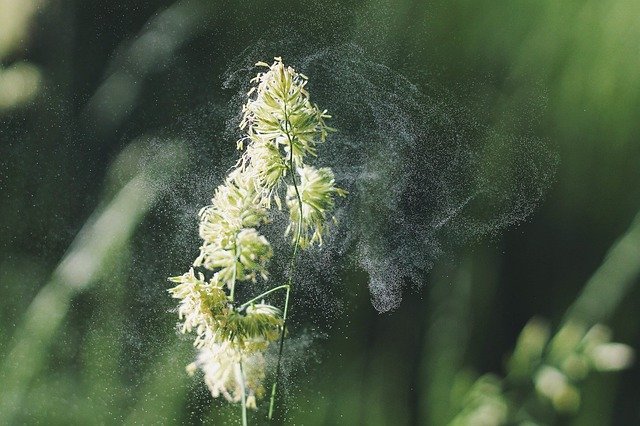
spring and summer allergiesA standout amongst the most important aspects of tending to any medical problem is to comprehend the circumstances and end results of how and why you are encountering your side effects, and what they represent. Seasonal Allergies are, for some, the drawback to the magnificence of spring and summer. Itchy, runny eyes and nose, sniffling, coughing, and wheezing can direct a person’s actions, where they can go, and even what they can eat. A whole health approach may provide greater relief.
Seasonal Allergy Prevention

None of this is desirable, and much of it has been shown to be preventable. To understand how you can take control of your seasonal allergies, let’s explore where they come from. Foreign proteins are found in many airborne substances, such as pollen, dust mites, and ragweed. When mucous membranes that come in contact with these foreign proteins are not immunologically competent enough to break down the proteins, the membranes secrete mucous, fluids, and histamine. This causes the itching, swelling, irritation, and watery excretions that make seasonal allergies so challenging.

Inflammation and the Immune Response To Allergens

To improve allergy symptoms, steroid or steroid-like medications are often prescribed. These are anti-inflammatory chemicals that reduce the allergic immune reaction to the foreign proteins.

By building up our immune and adrenal system, we can enable our bodies to be better able to handle these allergens, which cause the allergy reactions. Our adrenals are located either on top of or within the kidneys and produce cortico-steroids and other natural anti-inflammatory as part of our “national guard” system. Hans Selye, MD, PhD, who spent over 50 years researching the adrenals and immune system, discovered the important nutrition and lifestyle components to keeping this important body system working well.

Whole Health Changes For Allergy Relief

  • A diet rich in B, C, E, and A vitamins (or supplementation)
  • Unsaturated fatty acids, such as fish oils
  • Adequate protein intake
  • Minerals to aid the production of natural allergy fighting anti-inflammatories
  • Adequate sleep and rest
  • Elimination of infections
  • Reduction of emotional stress
  • Moderate exercise
  • Avoidance of over exertion
  • Avoidance of traumas as well as dental and medical surgery
  • Elimination of extreme temperatures indoors and out

Seyle’s research demonstrated that by taking good care of our adrenal and immune system, allergies may be greatly reduced and, in some cases, eliminated. Applying some of these principles may allow you to enjoy this spring more while experiencing fewer symptoms.


Additional Resource:

Visit the National Institute of Whole Health website for more information.


The Passion Diet

Dr Georgianna Donadio, PhD

passion diet- whole nutrition

How much do YOU know about your own weight loss and weight gain patterns?

One of the frustrating aspects of health information that we hear the most from consumers is that just when you think you’ve got a handle on what you are supposed to do to be healthy – the information changes.

For example, not long ago those of us who were over 50 were assured that if we moderately cut back our portions, decreasing our calories and exercised for a half hour 4-5 times a week, we could keep at bay the extra body fat that creeps in after menopause.

How many of us dutifully reduced their calories and did their half hour routine daily only to feel that there was “something wrong with them” because this formula didn’t work for their body; but the “experts” said it was the right way to control weight after 50.

Wisdom, from research, has now shifted for women past the age when our estrogen is dramatically lower than pre-menopause. Estrogen, as every woman knows, is that amazing hormone that is a metabolic calorie burner as well as a reproductive hormone. It keeps us heart healthy; keeps our skin healthy and produces “pheromones” for attraction, among other body functions.

No longer is a half hour of exercise deemed adequate to increase the metabolic furnace that is slowed down by the loss of estrogen. We now have to exercise a minimum of one hour per day and really watch everything we put in our mouths, ESPECIALLY carbohydrates, which we want more than ever for the serotonin surge they give us. This new information comes from the fact that women over 50 generally do not lose the weight they want with just a half hour of exercise.

What IS important regarding losing weight and keeping it off after 50 is what our individual body tells us is right for our metabolism and body type. We need to ask ourselves what DO we know about ourselves and our own weight loss and weight gain pattern that should be more important than the “weight loss expert’s” advice.

The big question is, now that we are past the age of reproduction and our body no longer is protecting us against many of the maladies that come with getting older, what are we willing to make our priority and what do WE KNOW about our own metabolic profile and how food and exercise affects our body weight.

In addition, understanding the function of various hormones in regulating appetite and satiety, hormones such as ghrelin, leptin, cholecystokinin, and other peptides all relay peripheral signals to the hypothalamus, which control appetite and satiety. Passion and creativity increase this hormonal function to decrease appetite and increase satiety. Many of us experience this when we fall in love!

Important Questions to Ask Ourselves

1-  What do I know about how I gain weight?

2-  What do I know about how I lose weight?

3-  Do I eat when I’m stressed?

4-  Do I lose weight when I’m stressed?

5-  Do I use food for emotional soothing?

6-  Does eating play a dominant role in my daily routine?

7-  Is losing weight more important than eating what I like when I like it?

8-  What am I willing to give up to get the body weight I want?

9-  Do I feel my food choices need to improve?

10- What is my personal experience with exercise?

11- What works best for me; what kind of exercise do I enjoy?

12- What do I know about how my body responds to exercise?

13- Am I willing to make the time to take care of myself?

14- What are my health priorities?

15- What are my ego priorities?

16- What keeps me from being the weight I want to be – REALLY?

The issue of weight loss is intimately connected with our relationship with our life force. Rarely do we see an energetic, productive, organized individual (men or women) who struggle with weight issues, even after 50 because they are often focused on their external interests and passions. Often these folks suffer from not taking the time to eat when or as much as they should.

One of the weight loss “secrets” I have learned over the years as a nutritionist from my patients is that when they are excited, creative, interested, and passionate about their work, their relationships, learning, doing or being, the issue of a naturally right body weight solves itself. We are often over-focused on the sensory experience and pleasure of food as a main stay for satisfaction and pleasure. Then, often when something else catches our attention, the issue of fulfillment comes from another source in our lives.

Something to consider – Find Your Passion!


References

Empty-Stomach Intelligence

Physiology, Obesity Neurohormonal Appetite And Satiety Control

Join the conversation. If you enjoyed this article, be sure to follow NIWH on Facebook and Twitter for regular updates filled with accredited health program information for holistic nurses and whole health coaches or advocates.

Why Dark Chocolate Is A Good Health Food Choice

Dark chocolate is booming in gourmet shops, Michelin-starred restaurants, and chocolatiers across the globe–owing in no small part to recent research on the numerous health benefits of this product. Over a decade ago, studies pointing to dark chocolate as a potent health food began. One study, published by researchers at the University of Nottingham, showed that eating chocolate could help boost blood flow to key areas of the brain, thus providing a powerful boost to one’s cognitive skills. Dark chocolate contains many healthful compounds, including flavonols, which can help consumers battle fatigue, sleep deprivation, and even serious illnesses such as heart disease.

Dark Chocolate And Heart Health

The Federation of American Societies for Experimental Biology recommends the consumption of dark chocolate because this food helps restore flexibility to arteries and prevents white blood vessels from attaching themselves to the walls of blood vessels. Because artery stiffness and white blood cell adhesion are two major factors involved in atherosclerosis, foods which prevent these processes can play an important role in long-term health. Other studies have shown that dark chocolate lowers blood pressure. To avail of the beneficial effects of dark chocolate, enjoy this guilt-free treat in moderation, and opt for raw chocolate if possible, since it has a higher antioxidant content than heated chocolate.

Dark Chocolate vs Depression

A 2019 study published in the journal, Depression and Anxiety found that dark chocolate may help battle symptoms of depression and lift one’s mood. Scientists took into account factors like height, weight and physical activity, finding that after these adjustments, people who consumed chocolate in two 24-hour periods had a 70% lower likelihood of showing clinical depression. The causal relationship is unclear, though chocolate has long been thought to contain mood-enhancing properties, and it is a popular comfort food in various countries the world over.

Dark Chocolate And Stress

Depression and anxiety are two of the most common mental conditions in America, and stress can be a trigger for both. Stress, when present chronically, can also contribute to conditions like obesity, Type 2 diabetes and heart disease. A study published in the Journal of Proteome Research found that consuming around one and a half ounces of dark chocolate every day for two weeks reduced levels of stress hormones in people who were highly stressed.

Dark Chocolate For Athletes?

Researchers at Kingston University have deemed dark chocolate to be a tasty treat that could give athletes an edge in their training endeavors. This is because it has epicatechin – a type of flavonol (antioxidant) that increases the production of nitric oxide – a substance that dilates blood vessels and reduces oxygen consumption. The study showed that cyclists who ate dark chocolate used up less oxygen when exercising than those who did not. The researchers stated that further research would be required to determine the optimal antioxidant levels in dark chocolate than can boost sporting performance.

Why Make It Dark?

Dark chocolate is richer in antioxidants, but it has an added bonus – it is generally lower in sugar. Moreover, as found in a University of Copenhagen study, it is more filling than milk chocolate, which enables people to reduce their cravings for sweet, salty and refined foods containing unhealthy fats. In this study, participants ate 100 grams of either dark or milk chocolate after a 12-hour fast. After consuming chocolate, they were asked to eat as much pizza as they liked. The results showed that those who had consumed dark chocolate consumed 15% fewer calories afterwards than those who had indulged in milk chocolate.

There are so many reasons why dark chocolate is increasingly being seen as a guilt-free treat. It boosts heart health, helps battle stress, and is linked to a lower rate of depression. When choosing chocolate, choose sugar-free or stevia-sweetened varieties. Aim for chocolate that contains at least 80% of cacao to ensure it is truly ‘dark.’


Join the conversation. If you enjoyed this article, be sure to follow NIWH on Facebook and Twitter for regular updates filled with useful health advocacy program information for holistic nurses and health coaches.

Author Credit: Allie Oliver

Love As Nourishment

Love as Nourishment

Valentine’s Day is the designated holiday for expressing our love to those in our life who provide us with the nourishment of love. We don’t often think of love as a nutrient, but indeed it is.

Freud made a statement about the power of love to create in us happiness, joy, hope and well being when he said: “We are never so hopelessly unhappy as when we lose love.”

As a physician who saw the ravages of lost love, Freud knew something from his experience about the human condition – something we often forget. Those who love us and those we love fulfill our basic human need to be known, valued and wanted by those we care about and seek out in our lives.

As an older adult who, like Freud, has seen the ravages of loves loss, I have come to appreciate and cherish those in my life who fulfill my need to be valued and wanted – my need to be loved.

It is important for each of us to remember that no one is perfect and that if we expect perfection in love we will surely be disappointed. One of the gifts of age and experience is the relief of realizing that each act of love we give from our imperfect self to another and the love given to us by imperfect others, is the most important wealth we possess.

At the end of the day, when all else is stilled and the distractions of work, ambition, success and achievement are put aside, it is those we “go home to” and the nourishment they provide us that is our real treasure.

HAPPY VALENTINES DAY to all of us – and may we take the time to appreciate how profound a blessing the gift of love is in our lives.

Acting Courageously To Inspire Others Now

It is my pleasure to offer a Guest Post by Mr. Michael Harris, author of “Falling Down and Getting Up”. Check out Michael’s organization, The Getting Up Project at www.thegettingupproject.com

ACTION – Acting Courageously To Inspire Others Now

This acronym seems to say it all. There can be such tremendous joy when a personal action can help others feel inspired. This is one of the most valuable skills learned through health coach certification. But you don’t need to complete a program to help others. It could be inspiring your children to enjoy school and create a wonderful life. Perhaps it is speaking on the stage and inspiring the audience to fully live life. There is also another way to describe the action with greater intensity

“To exert a force with sufficient conviction and bravery to arouse greater efforts in another person at the present moment.”

What would happen to your life (and others) if you created ongoing action? If you are in a place where you are stuck, it just might move you in a way to get unstuck – especially if you are sitting on the couch too much! Maybe today is not a day you are taking action or doing something that can inspire others. Perhaps next time someone asks “how are you?” Instead of the standard “ok”, you say “I am grateful for today.” When you do that you may find the other person smiling – and inspired.

It can become a positive habit and a self-healing experience to ask yourself each day how are you “Acting Courageously To Inspire Others Now?”

Michael Harris is a popular yoga teacher, successful businessman, and business coach. He is the author of a soon to be published book, “Falling Down, Getting Up”, and inspiring journey of his personal process and ultimate success with standing back up again after falling down from health and personal struggles that forced him to develop skills and great wisdom on the subject of “falling down and getting up” again. He is the founder of The Getting UP Project, a growing movement that offers ideas and inspiration to live life with greater action and abundance. To find out more, visit www.thegettingupproject.com.


Join the conversation. If you enjoyed this article, be sure to follow NIWH on Facebook and Twitter for regular updates filled with useful health coach certification information for holistic nurses and health advocates.

Can Being Too Clean Be Harmful?

Researchers at the University of Michigan School of Public Health analyzed data from the National Health and Nutrition Examination Survey. According to the outcome of the data they found that young children and teens who are overexposed to the chemical triclosan, found in anti-bacterial soaps, could have an increased risk for developing hay fever and other allergies. This finding actually suggests that being too clean can make people sick, the researchers say.

The same study found that bisphenol A (BPA) which is widely used in soaps, toothpaste, plastic products, medical devices and other commonly used items can also weaken the immune systems of adults exposed to higher than normal levels of the chemical. It is believed that BPA effects the immune system through its effects on the human hormonal system.

In this study researchers compared levels of triclosan and BPA in the urine with cytomegalovirus (CMV) antibody levels and diagnosis of allergies or hay fever in adults and children over age 6.

“We found that people over age 18 with higher levels of BPA exposure had higher CMV antibody levels, which suggests their cell-mediated immune system may not be functioning properly,” researcher Erin Rees Clayton said in a university news release. The study findings are published in the Nov. 30 2006 online edition of the journal Environmental Health Perspectives.


For more whole health discussions, listen to Dr. Georgianna Donadio’s radio show Living Above The Drama.

Nurture The Thymus To Empower The Immune System

The Thymus, in yoga and energy circles is often referred to as “the heart” chakra. In an integrative whole health approach to patient care, the Thymus is considered a primary source of all immune cells being formed through the stimulation of “T” (thymus) cells and “B” (bird – because they were first discovered in birds) cells. In encouraging behavior that nurtures the thymus, a whole health nurse coach can assist in empowering the immune system.

From the very early stages of our embryology the Thymus is the primary mover in the development of our immune systems. It shrinks after early childhood but still plays a roll in communicating with the early T and B cells it populated back when we were still in our mother’s uterus.

The Thymus is the self-esteem component of Maslow’s Hierarchy. This is evident in as much as our immune function is an expression of how we care for and think about ourselves. To see this at work, the observation of HIV positive patients, who have a high self-esteem and self worth, rarely manifest AIDS; sometimes never does it manifest, or only when the individual is confronted with profound stress such as loss or grief which lowers the immune system function. Less than 50% of HIV positive patients ever develop AIDS and much of this is contributed to the individual’s self-esteem level. Physically the Thymus is intimately connected to our Immune System and Neurotransmitters.

Regarding Selye’s Stress Model, the Thymus can express Infections/Compromised Immunity – which is a loss of self protection. The Thymus is the environmental (internal and response to the external) component of the Whole Health Five Aspects.

So far we have gone over FIVE (5) of the SEVEN (7) aspects. The last three, as we saw with the reproductive glands, the adrenals and pancreas, clarify the emotional and behavioral aspects of each specific endocrine gland.

The VIRTUE of the Thymus is HOPE – the individual who sees the world as good and holding promise for the future has hope and feels positive about life and what is to come. This also creates a positive sense of self and self-esteem. Hope fills our life with thinking about the future and that we can fulfill our dreams and goals, rather than directing our attention to what others have and we don’t have. With hope comes the belief that we can be valued, loved and belong in this world – which is an important component to being healthy and having a strong immune system.  

The DEADLY SIN of the Thymus is very opposite of the virtue of the Thymus – hope and belief in the future, seeing the world as good and abundant; the sin of the Thymus is that of ENVY – resentment towards what others have; feeling diminished and less valued because another may be perceived as having more than us. Envy, jealously and resentment are poison to the heart, the mind and the body. Envious thoughts send messages to the cell membranes of our immune system that are toxic to the body’s health and function.

Once again we can see the value and importance in understanding how the body works a whole integrated being. The Thymus is a major player in the endocrine system, disabling or empowering the immune system to keep us healthy or make us sick.

The outcome of our Thymus function is up to us – our thoughts, behaviors, virtues and negative actions all play a role in this amazing gland’s function.J


For more whole health discussions like this, listen to my weekly radio show Living Above The Drama. Also available on iHeartRadio.