A Different Approach To Spring Allergies

One of the most important aspects of addressing any health issue is to understand the cause and effect of how and why you are experiencing your symptoms and what they represent. Seasonal allergies are, for many, the down side to the beauty of spring and summer. Itchy, runny eyes and nose, sneezing, coughing, and even wheezing can dictate an individual’s activity choices, where they can go, and even what they can eat.

None of this is desirable, and much of it has been shown to be preventable. To understand how you can take control of your seasonal allergies, let’s explore where they come from. Foreign proteins are found in many airborne substances, such as pollen, dust mites, and ragweed. When mucous membranes that come in contact with these foreign proteins are not immunologically competent enough to break down the proteins, the membraneS secrete mucous, fluids, and histamine. This causes the itching, swelling, irritation, and watery excretions that make seasonal allergies so challenging.

To improve allergy symptoms, steroid or steroid-like medications are often prescribed. These are anti-inflammatory chemicals that reduce the allergic immune reaction to the foreign proteins.

By building up our immune and adrenal system, we can enable our bodies to be better able to handle these allergens, which cause the allergy reactions. Our adrenals are located either on top of or within the kidneys and produce cortico-steroids and other natural anti-inflammatory as part of our “national guard” system. Hans Selye, MD, PhD, who spent over 50 years researching the adrenals and immune system, discovered the important nutrition and lifestyle components to keeping this important body system working well: 

  • A diet rich in B, C, E, and A vitamins (or supplementation)
  • Unsaturated fatty acids, such as fish oils
  • Adequate protein intake
  • Minerals to aid the production of natural allergy fighting anti-inflammatories 
  • Adequate sleep and rest
  • Elimination of infections
  • Reduction of emotional stress
  • Moderate exercise
  • Avoidance of over exertion
  • Avoidance of traumas as well as dental and medical surgery
  • Elimination of extreme temperatures indoors and out

Seyle’s research demonstrated that by taking good care of our adrenal and immune system, allergies may be greatly reduced and, in some cases, eliminated. Applying some of these principles may allow you to enjoy this spring more while experiencing fewer symptoms.

10 Tips For Sustainable Love

It is not a coincidence that happy couples share many of the same behavioral patterns. Often, we think that being happy means we have fun sharing the same hobbies or doing everything as a couple. While sharing activities enhances relationships, the most important components to successful relationships are found in how individuals within a relationship treat each other. In large part, it relies on communication and behavior.

Some of the most important aspects of having a successful relationship with your significant other include:

Friendship: Being friends and genuinely liking your partner is one of the most important components of a happy and successful relationship. If you don’t like the other person, how can you truly love them?

Enjoying your partner’s company: Laughter is not only good medicine, but it is also the glue that binds relationships and creates memories. Laughing together and even crying together are meaningful in good relationships.

Being spontaneous: All of us have preferences, likes and dislikes. When you’re spontaneous about trying new food, travel plans, places to visit and other novel experiences, you expand your personal horizons and show respect for your partner’s preferences as well. Life is more interesting if we can be spontaneous together.

Having your own life: Developing a healthy relationship is about two independent and emotionally mature individuals joining company to share their lives together. Sometimes our needs can become interjected into our relationship in a way that creates a co-dependent dynamic. This can derail happiness in an intimate relationship.

Being fully, purely present to your partner: It has been said that there is no greater gift than our full, complete presence to another. Being authentically interested and attentive to the other person is a hallmark of a healthy, happy relationship.

Showing and expressing affection: Physical touch is an important part of happiness and fulfillment in relationships. Couples can often express that just by holding hands or sharing affection with their partner. This is a very important part of feeling loved and cared for.

Being caring and kind: Kindness is one of the most attractive things about another person. When we are kind, not only do we feel good about our behavior, but our significant other feels good about our behavior as well.

Being honest: If we give our partners a sense that we are devoted and loyal to them and they provide that for us, we create the foundation of a truly lasting and loving relationship. Marriages or relationships often break up because of trust issues. Trust is the foundation of all good interactions.

Being committed: When we are committed to someone, it means that we are there for them and can be counted on to support them in times of need. This is what we all want from our relationships. In order to depend on this benefit, we need to provide it as well.

Communicating: By actively communicating with your partner on an ongoing basis, you can avoid many of the problems that arise in relationships before they even get started. Being proactive and checking in with each other on a regular basis to see how things are for the other person goes a long way in preventing difficulties with conflicts and unmet needs.

Sustaining A Relationship

Creating and sustaining a loving, trusting and lasting relationship is one of the most fulfilling experiences a person can long for and look forward to. While this is not a complicated process, it does require awareness and cultivation similar to what you need in raising a child or growing a garden.

If you keep disruptive weeds from infiltrating the flower beds of your relationships, you can enjoy the uninterrupted beauty of longed-for interactions and reduce the work, wear and tear that neglect can produce. Relationships take time, caring and commitment, but they are truly worth it.

For a free download on communication skills for enhanced relationships, visit http://www.changingbehavior.org/

FREE Whole Health Consultations available.
888-354-4325 Take charge of your health!


5 Ways To Protect Your Health And Save The Environment

We can all make small behavioral changes that can lead to a big difference to our personal health and the health of our planet. There are many easy and convenient ways to "go green." Several of these suggestions can even save us money and time. Here is a brief list of ways you can immediately start to protect your health and help keep the planet healthier at the same time:

> Taking shorter showers will not only help to keep your skin better hydrated by not having all the natural oils removed from your skin, but each individual who limits their shower to five (5) minutes can save almost 4,000 gallons of water per year.

> Avoid the dry cleaner and you avoid exposing your skin to perchloroethylene. Also known as perc, this toxic solvent is used to dry clean clothing. Headaches, nausea, dizziness, fatigue, and skin irritation have all been linked to this solvent. It may also deplete the ozone layer in addition to contributing toxic and carcinogenic by-products as it breaks down.

> Stop using air freshners to avoid phthalates, chemicals linked to hormone abnormalities, birth defects, and reproductive problems. In addition, they may also contain other harmful, cancer-causing volatile organic compounds that are not good for you or the earth. You can use mixtures like orange peel or sage in pretty containers or small bowls to freshen the rooms of your home or office.

> Buy organic coffee that is grown without pesticides that can harm the soil and seep into the water supply. This makes a better "brew" for you as it does not contain synthetic chemicals, and it decreases damage to the earth.

> Avoid using flea collars on your pets as the chemicals in the flea collars contain toxic chemicals that can contaminate water supplies. The pesticides used in the flea collars work by harming the nervous system of the insect. The same pesticides can harm your pet and yourself as they are absorbed through the skin.

These are a few simple and convenient ways you can immediately start to make yourself and the planet healthier!

FREE Whole Health Consultations available.
888-354-4325 Take charge of your health!

What Your Sleep Position Says About You

In a BBC report linking certain sleeping positions with health risks, British scientists revealed that the sleeping position of an individual may provide clues to their true personality in addition to revealing health clues. It is an interesting theory and I became interested to learn whether a person's usual sleeping position could really hint toward character flaws or health symptoms. Here's what I learned through further study.

Professor Chris Idzikowski, director of the Sleep Assessment and Advisory Service, analyzed six common sleeping positions that he believes are linked to specific personality types. "We are all aware of our body language when we are awake but this is the first time we have been able to see what our subconscious posture says about us" Professor Idzikowski noted.

The sleep study identified that most people are unlikely to change their sleeping position during the night. We are also creatures of habit. Most people sleep the same way every night. Only 5% of the study participants were reported to have slept in a different position on different evenings. Another interesting reveal of the study was that only one in ten individuals cover themselves completely with a blanket. Most people expose a leg, an arm, or both feet.

Professor Idzikowski also examined the effect of various sleeping positions on health. You may have read that some positions are believed to help aid digestion, while other positions are believed to promote snoring and restlessness.

Here are the six common positions studied by Professor Idzikowski. The study's findings related each position to certain personality traits and health implications. See if you agree with the findings based on your own sleep patterns.

  • Fetus position – A majority (41%) of the study participants, with 200% more females than males, sleep in this curled-up position. The personality appointed to this position is that the sleeper has a tough exterior and is shy and sensitive but warms up quickly.
  • Log position – This study identified that 15% of people sleep in this position. Sleeping on your side with both arms down suggests that you are a social, easy-going person who is trusting and possibly gullible.
  • Yearner position– The third most popular position, utilized by 13% of the participants, is the side-lying position with both arms out in front of the body. This position is considered to be open-minded and yet cynical. They can be suspicious and stubborn.
  • Soldier position – 8% of the sleepers in this study lie on their back with their arms down and close to the body. This position is paired with people who are reserved, quiet, not fussy, and hold themselves and others to a high standard. This position also has a higher rate of snoring due to the back position.
  • Free fall position – Only 7% of the sleepers lie on their bellies with arms under or wrapped around a pillow and their head turned to the side. These individuals were considered brash, outgoing, and uncomfortable with criticism.
  • Starfish position – Those who lie on their backs with arms near their head or pillow make up the smallest group of sleepers, with only 5% utilizing this position. Starfish sleepers are considered good listeners, helpful, and  uncomfortable being the center of attention. Sleeping in the starfish position is likely to lead to a poor night's sleep due to snoring.

It will be interesting to see how future studies add to the knowledge revealed by Professor Idzikowski. In the meantime, take some time to ponder whether the associated personality traits are accurate for your style of sleeping. Consider ways to remedy any undesirable traits or health consequences.  

FREE Whole Health Consultations available.
888-354-4325 Take charge of your health!

A Healthier Relationship With Food


Our mood and our food are intimately connected. It's interesting that the emphasis is usually on how things from outside our bodies affect our insides when in reality so much of what is going on inside affects our outsides. This is really evident in terms of weight loss and weight gain. The way we feel about ourselves, our work, or our life, whether we are fulfilled or dissatisfied, has more to do with what or how much we choose to eat than eating a certain food affects how we feel.

One of the reasons diets don't work is because the "work" is being done on the outside of the problem instead of the inside. I have been a nutritionist for over 30 years and have seen thousands of patients who want to change the way they look or the way they eat.

When we start to "work" on the goal, within a relatively short period of time, they become aware of underlying feelings and emotions associated with not eating foods that "medicate" or mask their feelings. They often become discouraged because the feelings are uncomfortable and sometimes painful. It is our human nature to avoid pain and move towards pleasure. It takes courage to truly tackle and confront the underlying issues of "food and mood." Rather than focusing on the outside of the problem, we need to focus on the inside instead.

Here is an exercise you may find to be of value. If you are dealing with mood or food issues, keep a journal for 10 days. Write down everything you eat. Also write about how you feel when you don't eat what you want and how you feel when you do eat what you want.

Just becoming more aware of what you are putting in your mouth, and how it translates to how you feel after you eat a particular food, can be the start of a healthier and happier relationship with food and your mood.


FREE Whole Health Consultations available.
888-354-4325 Take charge of your health!

The Heart: More Than Just A Pump

There is little question that the heart is a muscular pump that transports nutrient-rich blood throughout the body. This function is, however, just a physical aspect of what the heart does and what influences its function. As with all of our organs and systems, the heart is affected by five specific components: (1) physical (2) emotional (3) nutritional-biochemical (4) environmental and (5) worldview (spiritual).

Beyond The Pump

The first popular books to explore these aspects of the heart’s function include:  Heart and Soul by Bruno Cortis, M.D. and The Heart’s Code by Paul Pearsall, Ph.D. These two highly recommended books offer varying perspectives and insightful information on the heart beyond its role as a pump.

Pearsall’s book explores in depth the emotional function of the heart and its “L” energy. Pearsall describes and clearly explains the impact loving has on a heart that loves. He also explores the effect this love exerts on the recipient of the heart’s “L” energy.  His presentation on the human heart’s independent electrical system (also known as the atrioventricular bundle) gives us an understanding of how the individual heart muscle has an emotional life of its own.

Cardiovascular Research

The current research on cardiovascular disease contains a surprising body of information. It shows that the single greatest factor affecting your chances of having a heart attack or dying of heart disease is not high cholesterol, obesity, diabetes, high blood pressure, a diet high in sodium or fat, a type A personality, anger, or rage.

Instead, as reported in the Science News Journal, the statically-documented, single most predictive factor of death by heart malfunction is: hopelessness. And it has been shown that stroke risk in women is also significantly linked to hopelessness.

What About The Broken Heart?

Broken heartedness occurs when the heart’s desire has been thwarted or eliminated and the heart is left without hope of fulfilling its desire. It’s been said: “Where there is life there is hope.” But without hope, our dreams perish and our heart breaks.

Although lifestyle elements like exercise, a healthy diet, weight control and having a purpose in life are all part of being heart healthy, it now appears that the primary, most important factor is keeping hopes alive and not giving up on our dreams. Without them, we lose our purpose and the joy for living.

The Power of Hope

A healthy heart is a hopeful heart. When you smile, you cannot be sad or hopeless. Prove this to yourself. Think a horrible thought, then really smile and see if you can think that same thought while you are smiling. You can’t.

When we smile, we tell the heart and brain that life is good and worth living. As the saying goes: “Be happmy be healthy.” When we have fulfilling and successful relationships, our hearts experience the “L” energy we all desire.

Our relationships provide us the L-energy we require; we need to nurture and cultivate the best relationships we can.

FREE Whole Health Consultations available.
888-354-4325 Take charge of your health!


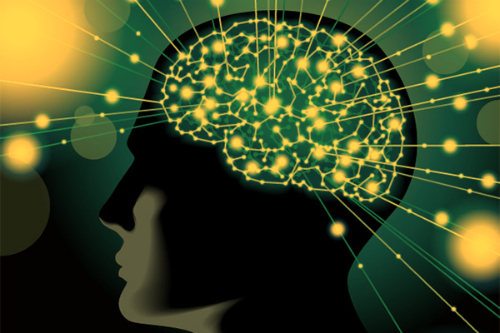
The Connection Between Brain Function, Behavior, And Your Emotions

There are three parts of the human brain, referred to as the "triune brain." Paul D.MacLean, an early research director for the National Institute of Mental Health, postulated the Triune Brain Theory. It states that the human brain is a product of three stages of evolution and is actually three separate brains that have evolved into one brain over long periods of time.

Three Parts

The first section [the lowest portion of the brain] is comprised of the top part of the spinal cord, the medulla oblongata, the pons, and the cerebellum. MacClean calls this “the reptilian brain.” As he stated, “at its base [the human brain] was a variation in the elaboration of the reptilian brain."

The limbic system [located in the mid-portion of the brain] states MacClean, "was an elaboration of the new mammalian brain from the Jurassic period". He termed it the "mid-brain" or the neo-mammalian brain (new mammal).

The upper most and largest part of the human brain, the cerebral cortex, encompasses our logic centers, our "intellect." MacClean termed this portion "the neo-cortex" (new cortex).

Fundamental Behavior

The Reptilian or "vegetable brain" [recall the autonomic nervous system functions], is fundamentally concerned with homeostasis, which is involved in regulating all of the body functions that allow each of us to be human, get up every day, and live our lives. If you do not have a well-functioning lower brain, if you have a tumor, if you have a trauma, if you’re in an accident, if something happens to your brainstem, you may no longer have the capacity to control the day to day homeostatic functions to maintain your life.

Interpreting Information

Embedded inside the Limbic System is a structure identified as the Reticular Activating System, which has pathways as well as neurons traveling throughout the lower brain, up through the medulla oblongata, across the Limbic System, and into the Neo-Cortex or the "thinking brain".

The Limbic System and Reticular Activating System interpret sensory motor messages that are "incoming" from the person's environment. It is in this portion of the brain that we not only interpret the "incoming stimuli and information," but we also select methods for survival and adaptation.

Here is where it gets exciting to put the anatomy and physiology of brain function and the psychology of personality together!

Putting It All Together To Survive

We know the neo-cortex is our thinking, intellectual brain – our "smart brain" – and most of us know individuals who are brilliant academically or intellectually yet they are emotionally dysfunctional in the extreme. Our thinking brain would presume that being "smart" or intellectually capable would exercise dominion over one's emotions, however, the missing piece of information here is that our emotions actually are a survival adaptation mechanism that each of us individually develops as we process our early environment and social conditioning. Nothing is more powerful in the human being than its drive to survive! Hence, our emotions win the day in the battle between thinking and feeling.

It is critically important for each of us to understand that our emotions represent how we learned to adapt in our surroundings and environment, especially during the first 0-5 years of our development. Our familial "input" taught us, as did Pavlov with his dogs, how to respond to the stimuli we received as infants and toddlers.

Your Brain And Relationships

This embedded neurological conditioning is not overcome by the thought process, as the thought process for humans is the "newest" component to our primordial brain. It is in the adaptive portion of our brain where we form our "personality" and where we become conditioned to create and interact within relationships.

When we understand the possibility that the interpersonal issues that frustrate us may come not from "being difficult" or having "bad intent" but rather from our drive to survive and our interpretation of the stimulation and environment we were conditioned by, then we can begin to be "kinder and gentler" towards ourselves and others.

In summary, our emotions are the way we learn to live and survive in our world. We cannot "think them" into changing, but we can step back and appreciate the service and challenge they offer us in our daily lives.

FREE Whole Health Consultations available.
888-354-4325 Take charge of your health!

Fulfill Your New Year’s Resolution With Mindful Eating

Three studies provide an interesting, proven tool to help you fulfill your health-related New Year's resolutions. Not unknown in other parts of the world is the idea of addressing the first step to food digestion. This is an important factor in reducing excess body weight. Mastication, or simply put – chewing, has a significant effect on the hormones of our gut; which in turn affects energy intake, metabolic caloric use, and overall body weight.

Mindful, Conscious Eating

The studies support the practice of mindful, conscious eating and the physiological and biochemical improvements to nutrition and wellbeing, when a moderate rather than a “grab and go” eating lifestyle is followed.

The various studies focused on the following objectives: one being to compare the differences in how chewing was different between lean and obese subjects. Another was to evaluate if eating the same meal at varying speeds of mastication would result in different postprandial (after eating) gut peptide responses. The third study’s objective focused on how staggered, compared to non-staggered, meals affected hormone and appetite dynamics, food pleasure, and the resulting energy intake.

Manipulating Eating Habits

The three studies utilized volunteer subjects and were conducted at clinical research facilities. The first study was published in the Journal of Clinical Endocrinology and Metabolism, January 1, 2010. The study subjects were 17 healthy adult males who were evaluated on the varying lengths of time they took to consume a meal. The first meal was consumed in 5 minutes and the second meal in 30 minutes. After each meal, the levels of gut hormones were assessed in the subjects, measuring the results for each of the meal durations. The conclusion of this study was that eating at a moderate rate, compared to a rapid rate, produces an increased anorexigenic gut peptide response, which resulted in a loss or decrease of appetite compared to the subjects who ate more quickly.

This is probably not a surprise to mindful eaters who, in many ways, eat their food as a form of meditation, chewing much slower than the majority of us do. They not only tend to enjoy their food more but also decrease their appetites and moderate their bodyweight. The second study was published in the American Journal of Clinical Nutrition, September, 2011. This study contained 16 lean and 14 obese young men who were the subjects of the study. There were two components to this particular study. The first component observed and investigated whether the obese subjects displayed different chewing patterns and factors than the lean subjects. The second component explored how the number of chews per each mouthful of a meal affected the subject’s energy intake. Two sittings of the same meals were consumed by each of the study subjects throughout the course of the day. The study used two specific amounts of chews per swallow. Each subject chewed one mouthful of food 15 times before swallowing, and then during the second meal of the same food, each subject chewed one mouthful of food 40 times before swallowing.

Chew More, Eat Less

The outcomes of this study were as follows: regardless of their body mass being either lean or obese, the subjects had ingested almost 12% less food (11.9%) intake after the 40 chews per mouthful meal than after the 15 chews per mouthful meal. This registered trial study concluded that using improved meal chewing interventions could prove to be a useful tool in reducing and combating obesity.

Much has been written about lower body weight and the French diet, as well as the eating habits of other countries and cultures compared to our American grad and go fast food lifestyle. These studies confirm something that has been apparent to other cultures, and even in earlier decades in the U.S.

Decreasing Hunger

The third study, published in the Journal of Nutrition, March 1, 2011, goes on to confirm that: staggered meals, where there were pauses in between the total consumption of the entire meal, resulted in a decrease of hunger, an increase in food reward, and greater satiety than in meals that were consumed without pause and at a faster rate of speed.

Our focus today in the U.S. is on reducing obesity in both children and adults, as well as addressing the growing epidemic of type II diabetes and metabolic syndromes, with their resultant increase in adult pathologies. Each of these conditions is directly linked to the over consumption of food. These studies are an invitation to our national culture to re-assess our fast-paced lifestyle as a means to reducing the leading health issues of our day.

If simply by slowing down how quickly we put food into our bodies we can save ourselves from individual and collective suffering, it would make sense for someone to start a campaign to ensure more time for kids and adults to eat a good breakfast, take a longer lunch and enjoy a more leisurely dinner.

Rewarding Success

It is usually the simple things in life that bring the greatest rewards. Rather than worrying about the number of calories we are putting into our bodies, it might be refreshing to shift our attention to our chewing habits, which have proven in these studies to reduce food intake by 11.9%, decrease caloric uptake, improve one’s food satisfaction, and enhance greater satiety.  A lot of reward – for not a lot of effort.

Journal of Nutrition, March 1, 2011; vol. 141; no. 3, 482-488
American Journal of Clinical Nutrition, September, 2011; vol.94; no. 3, 709-716
Journal of Clinical Endocrinology and Metabolism, January 1,2010; vol.95; no. 1, 333-337

FREE Whole Health Consultations available.
888-354-4325 Take charge of your health!

 

Forgive For Your Own Good

pexels-photo-24592-large

We read and hear that forgiving is something we need to do for others, and that when we forgive others it allows us to let go of feelings of anger and resentment. There are now numerous studies that show when we forgive others, the biochemistry of letting go of the negative feelings we have carried around with us has the power to transform our own health and sense of inner peace.

In the daily news, we see the most unthinkable and unimaginable events occurring. We see people who harm and kill others, parents who violate and abuse their own children, and even children that murder their own parents. For most of us it is difficult to forgive even benign insults and events in our relationships (such as a rejection or slight), let alone something of horrible tragedy. The thought that a victim of such cruel violence could let go of a grievance against another person who has perpetrated such acts seems impossible.

The Danger Of Holding A Grudge

However, what science is now demonstrating is that the simple act of “holding a grudge” against another person can create chronic long term stress with accompanying feelings of anger and frustration. This chronic emotional and physical response to a perceived hurt or insult can lead us to become sick and even develop ongoing, chronic disease states such as hypertension, asthma or digestive problems.

The use of the term “perceived insults” or wounding is intentional. This is because while there are people in the world who do unimaginably horrible things to others, much of what we experience in our lives is a perceived hurt of rejection that causes us not to forgive another.

What Is Forgiveness?

In 2000, as a result of a lecture arranged at a hospital I worked at, I had the privilege to meet Fred Luskin, PhD, founder of the Stanford University Forgiveness Project, and hear him present his work and research on the subject of forgiveness. Dr. Luskin is the author of the book Forgive for Good, and a world renowned researcher on the subject of forgiveness. His scientific studies demonstrate the healing power and health benefits from the process of forgiving others for either actual or perceived transgressions against ourselves, or to those we love.

Dr. Luskin was the lead researcher on a study in Ireland, which included individuals from both sides of Northern Ireland’s civil war. These individuals had all lost a loved one due to the country's civil conflict. In his groundbreaking book, Forgive for Good, he outlines what forgiveness is—and, what it is not:

“Forgiveness is for you and not the offender”
“Forgiveness is about your healing and not about the people who hurt you”
“Forgiveness is taking responsibility for how you feel”

“Forgiveness is a trainable skill – just like learning to throw a ball”
“Forgiveness is a choice”

“Forgiveness is not condoning unkindness or poor behavior”
“Forgiveness is not forgetting that something painful has happened”

“Forgiveness does not mean reconciling with the offender”
“Forgiveness does not mean giving up your feelings”

So then what does forgiveness mean? Forgiveness means being willing to find new ways to experience “justice” and to choose not to be victimized by other’s choices or actions. It can also mean experiencing an event from a different perspective, which allows us to reclaim our life even from the depths of our suffering, loss or despair.

The Benefits

Forgiveness has been scientifically proven to decrease depression, increase hopefulness, decrease anger, increase self-confidence, enhance relationships, decrease stress and physical symptoms of illness, decrease heart disease and increase immune function. Forgiveness is a gift we give to ourselves that helps us live more peace-filled, healthier lives. There are many excellent books on the subject to assist with and facilitate the process of forgiving what seems to be the unforgiveable.

The Nourishment Of Our Relationships

couple-bride-love-wedding-60559-large-jpeg

We don’t often think of relationships as nutritious, but indeed they are. Sigmund Freud, the founder of psychoanalysis, made a statement about the power of love and relationships and their importance to our happiness: “We are never so helplessly unhappy as when we lose love.”

A Little Knowledge

Freud knew something from his experience about the human condition because of his many years treating patients who experienced difficult, unfulfilling and loveless relationships. We often forget that those who love us and those we love fulfill our basic human need to be known, valued and wanted. All healthy human beings want to be valued and want to experience being cared for and treated respectfully. We want to receive affection from those we care about.

As an older adult who, like Freud, has seen the ravages of love’s loss, I have come to appreciate and cherish those in my life who fulfill my need to be valued and wanted, my need to be loved.

Perfect Memories

It is important for each of us to remember that no one is perfect and that if we expect perfection in love, we will surely be disappointed. One of the gifts of age and experience is the relief of realizing that each act of love we give from our imperfect self to another and the love given to us by imperfect others is the most important wealth we possess.

At the end of the day, when all else is stilled and the distractions of work, ambition, success and achievement are put aside, those we “go home to” and the nourishment they provide us are our real treasures.

May we take a moment each day to appreciate how profound a blessing the gift of relationship is in our lives. For a free download on enhancing your relationship through communication skills, visit http://www.changingbehavior.org/.